 Johnson
Finding Your Perfect Match: The Science of Personalized Acne Treatment Plans (2025 Guide)
Stop guessing. The era of generic “clear skin” promises is over. Here is how AI, DNA, and Phenotyping are revolutionizing dermatology.
We have all stood in that aisle. You know the one—bright lights, hundreds of bottles, and keywords like “oil-free,” “non-comedogenic,” and “maximum strength” shouting for your attention. You pick a bottle, hoping this is the one that finally works. Three weeks later, your skin is redder, drier, and arguably worse than when you started.
Here is the hard truth: Generic advice fails because your skin isn’t generic. Acne isn’t a monolith; it is a complex disease with multiple triggers.
According to Pierre Fabre Laboratories / JAAD (2024), acne affects approximately 20.5% of the global population over age 16. But treating a 16-year-old male with testosterone-driven cystic acne the same way you treat a 28-year-old female with barrier-compromised hormonal acne isn’t just ineffective—it’s negligent.
This guide is your roadmap to the new era of dermatology: the Personalized Acne Treatment Plan. We are moving beyond “oily vs. dry” and diving into phenotypes, microbiome mapping, and AI diagnostics.
Why ‘Generic’ Advice Fails: The 4 Pillars of Acne Pathogenesis
Most over-the-counter (OTC) routines fail because they only attack one angle of the problem—usually by nuking your face with drying alcohols to stop oil production. But current medical consensus, reaffirmed by the American Academy of Dermatology (AAD) in their massive 2024 guideline update, relies on understanding the four distinct pillars of acne formation.
If your personalized plan doesn’t address the specific pillar causing your breakouts, it will fail.
The 4 Pillars (AAD Framework):
- Hyper-Seborrhea (Excess Oil): Your glands produce too much sebum, often driven by hormones.
- Follicular Hyperkeratinization (Clogged Pores): Your skin cells don’t shed properly; they stick together and plug the follicle.
- Cutibacterium acnes (Bacteria): A specific bacteria proliferates in that clogged, oily pore.
- Inflammation: The body’s immune response to the bacteria, causing the red, painful swelling.
Phase 1: The New Diagnostic Toolkit (AI & Teledermatology)
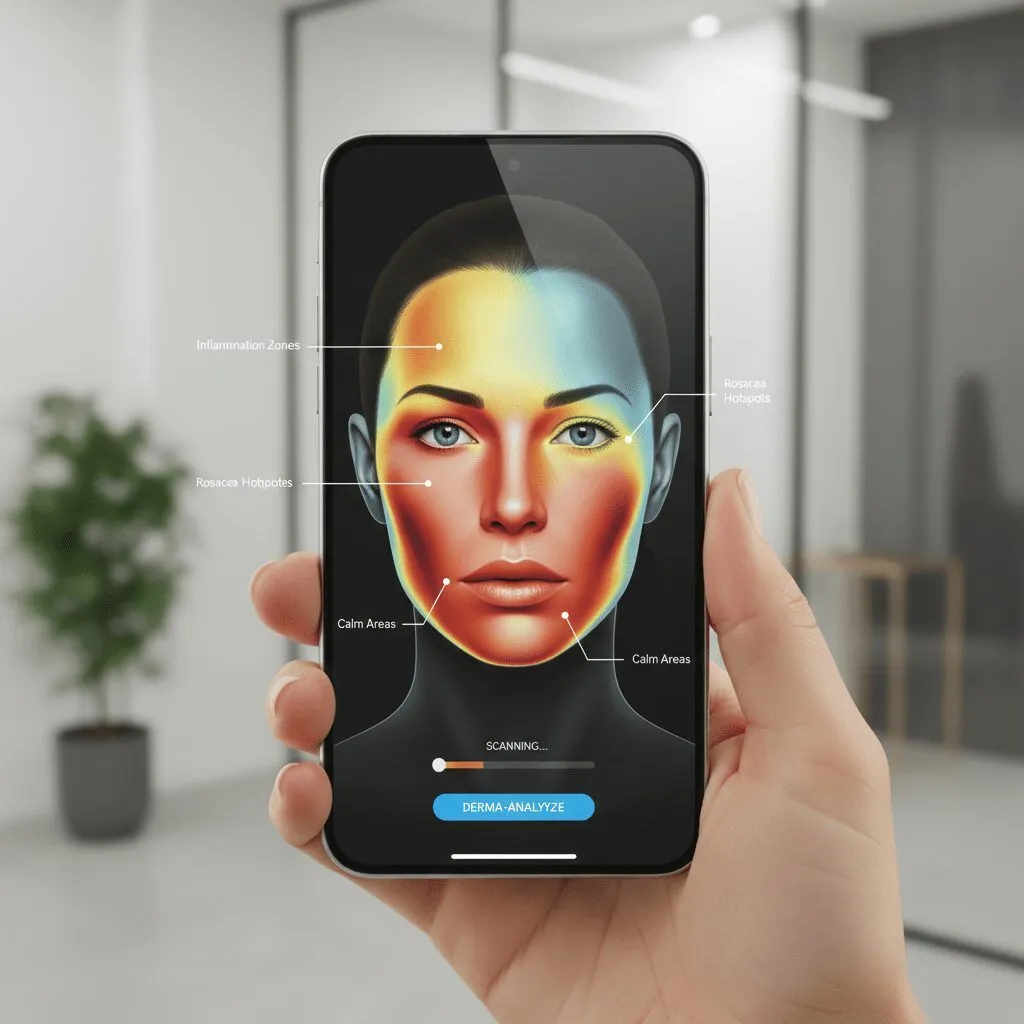
Before you buy a single product, you need a diagnosis. In the past, this meant a six-month wait to see a dermatologist. In 2025, the landscape has shifted dramatically toward AI-assisted diagnostics.
AI Analysis: Is it Accurate?
You might be skeptical about an app diagnosing your skin, and I was too. However, the technology has matured rapidly. A study published in JMIR Dermatology (July 2024) found that AI models demonstrated an aggregate sensitivity of 95.1% for general skin conditions, actually outperforming non-specialist physicians in initial assessments.
These apps (like MDacne or Aysa) map your lesion density and type (inflammatory vs. comedonal) to suggest active ingredients. They aren’t perfect, but they are significantly better than guessing.
Teledermatology vs. In-Office
This is the biggest decision in your personalized journey. Do you go with a custom compounding service (like Curology, Agency, or Dermatica) or a traditional doctor?
| Feature | Custom Compounding (Telederm) | In-Office Dermatologist |
|---|---|---|
| Best For | Mild to Moderate Acne, Maintenance | Cystic/Nodular Acne, Scarring |
| Access | Instant (24-48 hours) | Wait times (weeks to months) |
| Personalization | High (Custom mixes of Tretinoin/Azelaic) | Variable (Prescriptions + Procedures) |
| Cost | $30-$60/month subscription | Copay + Rx costs (can be high) |
Phase 2: Building Your Protocol by ‘Phenotype’
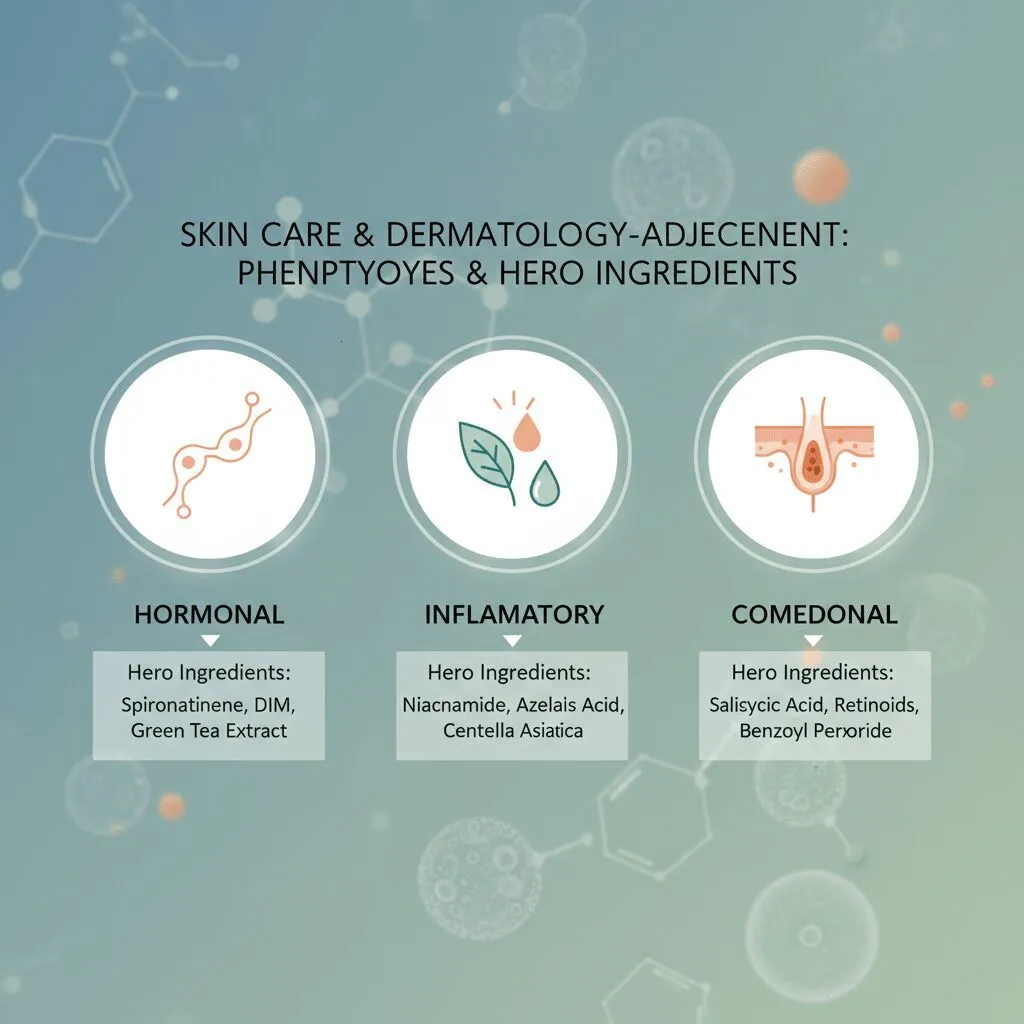
Forget “Sensitive” or “Combination” skin. In 2025, we look at your Acne Phenotype. This is where personalization truly happens. Based on recent research, identify which profile fits you best.
Phenotype A: The Adult Hormonal Female
If your acne is concentrated on the jawline, flares up monthly, and involves deep, painful cysts, this is you. It is incredibly common—according to a MDacne Global Study Update (2025), self-reported acne prevalence in women aged 20-29 is 51%.
The Personalized Protocol:
- Topical: Clascoterone (Winlevi). This is a game-changer. It’s the first topical androgen inhibitor that stops hormones from triggering oil glands without systemic side effects.
- Systemic: Spironolactone. An oral medication that blocks androgen receptors.
- Avoid: Heavy oils that trap heat and bacteria.
Phenotype B: The Inflammatory/Microbiome Disrupt
Does your skin look angry, red, and feel hot? Do you have small pustules rather than deep cysts? You likely have a disrupted skin barrier and microbiome.
The Personalized Protocol:
- Active: Azelaic Acid (15-20%). It kills bacteria but also calms redness (rosacea-friendly).
- Support: Hypochlorous Acid sprays to reduce bacterial load gently.
- The “Fixed-Dose” Triple: A 2025 DermSquared review highlighted the efficacy of triple-combination gels (Clindamycin + Adapalene + BPO) to hit all targets while simplifying the routine to improve adherence.
Phenotype C: The Comedonal (Texture) Sufferer
If your main issue is “bumps” under the skin, blackheads, and uneven texture rather than red cysts, your issue is keratinization (Pillar 2).
The Personalized Protocol:
- Gold Standard: Adapalene 0.1% or Tretinoin. These retinoids speed up cell turnover so pores don’t clog.
- Expert Insight: According to Dr. Andrea L. Zaenglein (Penn State), “Typically, when we think about retinoids, we think of adapalene as being more tolerable and tazarotene as being more effective.” Start with Adapalene if you are sensitive.
Phase 3: The Lifestyle Prescription (Diet & Stress)
A truly personalized plan extends beyond the bathroom cabinet. For years, dermatologists dismissed diet. Now, the data is undeniable. But again, it’s specific—not all “junk food” causes acne.
The Whey Protein Connection
If you are gym-focused and breaking out on your back or jaw, check your shake. According to a study in MDPI Nutrients (May 2024), daily whole milk consumption shows a positive correlation with inflammatory acne, but skim milk and whey protein are linked to even higher risks due to the concentration of insulin-like growth factors.
Action Step: Switch to pea protein or egg white protein for 6 weeks and monitor results.
The Cortisol Spike
Stress isn’t just a feeling; it’s a hormone (cortisol) that binds to sebaceous glands and tells them to produce more oil. Pierre Fabre’s 2024 study noted that 50% of acne sufferers report fatigue and difficulty sleeping. Your personalized plan must include sleep hygiene, or the topicals won’t work as well.
Phase 4: The Future is Here (Laser & Tech)
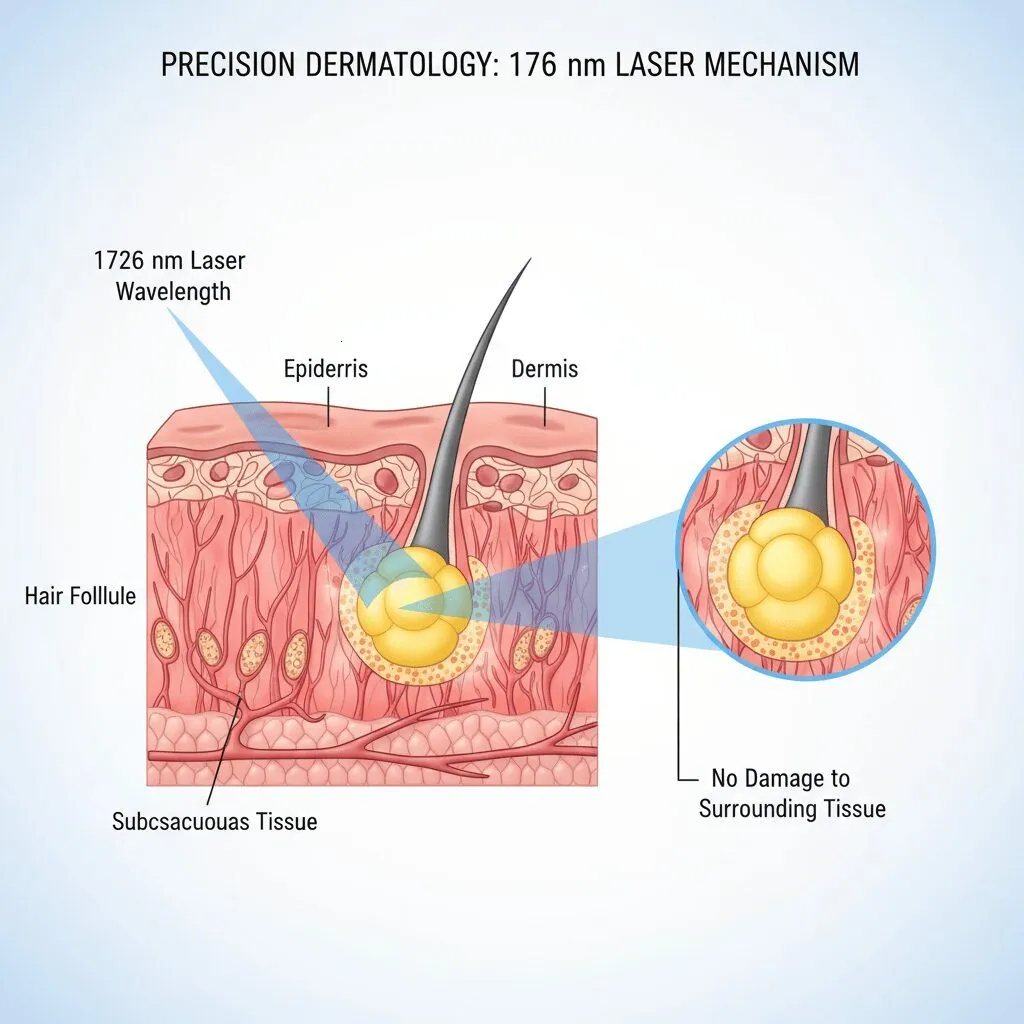
For those who have “tried everything” and still suffer, 2024-2025 brought a revolutionary hardware solution: the 1726 nm Laser (AviClear / Accure).
Historically, lasers treated the redness left behind by acne. The 1726 nm wavelength is different—it selectively targets and suppresses the sebaceous gland itself. It essentially “cures” the oily skin pillar permanently.
FAQ: Troubleshooting Your Personalized Plan
This is the hardest part. You must commit to a “12-week rule.” Acne cycles take time. According to standard dermatological timelines, true improvement in lesion counts isn’t statistically significant until week 8-12. If you quit at week 3 because of “purging,” you never gave the treatment a chance.
A 2024 study in the Juniper Online Journal of Dermatology found that 80% of subjects had better outcomes with a personalized vehicle base compared to commercial bases. Why? Because the “inactive” ingredients in OTC products (preservatives, fragrances) often irritate sensitive skin. If you can afford the subscription (usually ~$30-60/month), the personalized base is often superior.
Be careful. Vitamin C is acidic and can be irritating if used alongside Retinoids or Benzoyl Peroxide. If you have active inflammatory acne, focus on calming the inflammation first. Introduce Vitamin C only once the active breakouts have subsided to treat the dark spots (post-inflammatory hyperpigmentation).
Conclusion: Don’t Buy a Product, Build a Protocol
The days of walking into a drugstore and guessing are over. The science of 2025 proves that acne is a highly individual condition driven by your unique combination of genetics, microbiome, and lifestyle.
Your Next Steps:
- Identify your Phenotype: Hormonal, Inflammatory, or Comedonal?
- Choose your Diagnostic: Use an AI app for a quick check or book a telederm appointment for a custom prescription.
- Audit your Diet: Cut the whey protein and high-glycemic foods for 6 weeks.
- Be Patient: Give your new personalized plan 12 weeks to work.
Clear skin isn’t magic; it’s math. By subtracting the triggers and adding the precise ingredients your skin biology craves, you can finally solve the equation.