



Acne Breakthroughs 2025: 5 New Treatments Your Dermatologist Wants You to Know
By The Skin Health Editorial Team | Updated January 2025
I still remember the feeling of sitting in the dermatologist’s chair, feet dangling, listening to the same old playbook: “Here’s a prescription for antibiotics, a retinoid that will make you peel, and if that fails, we talk about Accutane.” For decades, that was it. The acne treatment landscape felt stagnant, relying on discoveries made in the 1980s.
But if you are struggling with breakouts today, the landscape looks radically different. In my years covering dermatological advancements, I have never seen a shift as seismic as what we are witnessing in 2024 and 2025.
We have moved from the “nuclear option” of systemic medication to the era of precision. We are seeing the rise of “selective photothermolysis” lasers that target oil glands without burning skin, the first-ever triple-combination topical creams, and yes, legitimate progress toward a vaccine. The industry is booming, and for good reason. According to Fortune Business Insights (Nov 17, 2025 Report), the global acne treatment market was valued at $11.62 billion in 2024 and is projected to hit $12.19 billion in 2025.
This isn’t just about money; it’s about efficacy. If you are tired of the trial-and-error cycle, this is the definitive guide to the Acne Treatment Breakthroughs of 2025 that are actually changing lives.

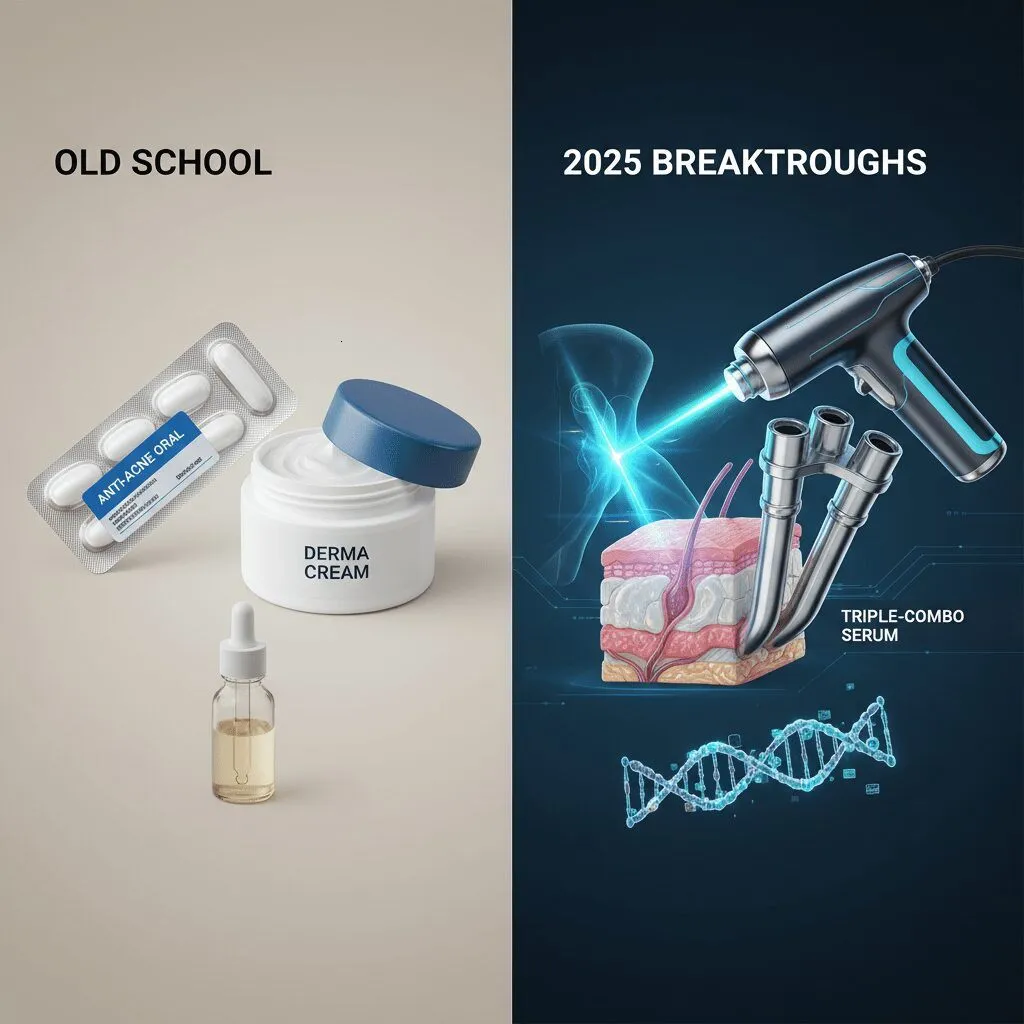
1. The “Cure” Without the Pill: 1726nm Lasers (AviClear & Accure)
For years, the gold standard for severe acne was Isotretinoin (Accutane). It works by shrinking sebaceous glands globally throughout the body. But it comes with a laundry list of side effects: dry eyes, joint pain, birth defects, and monthly blood tests.
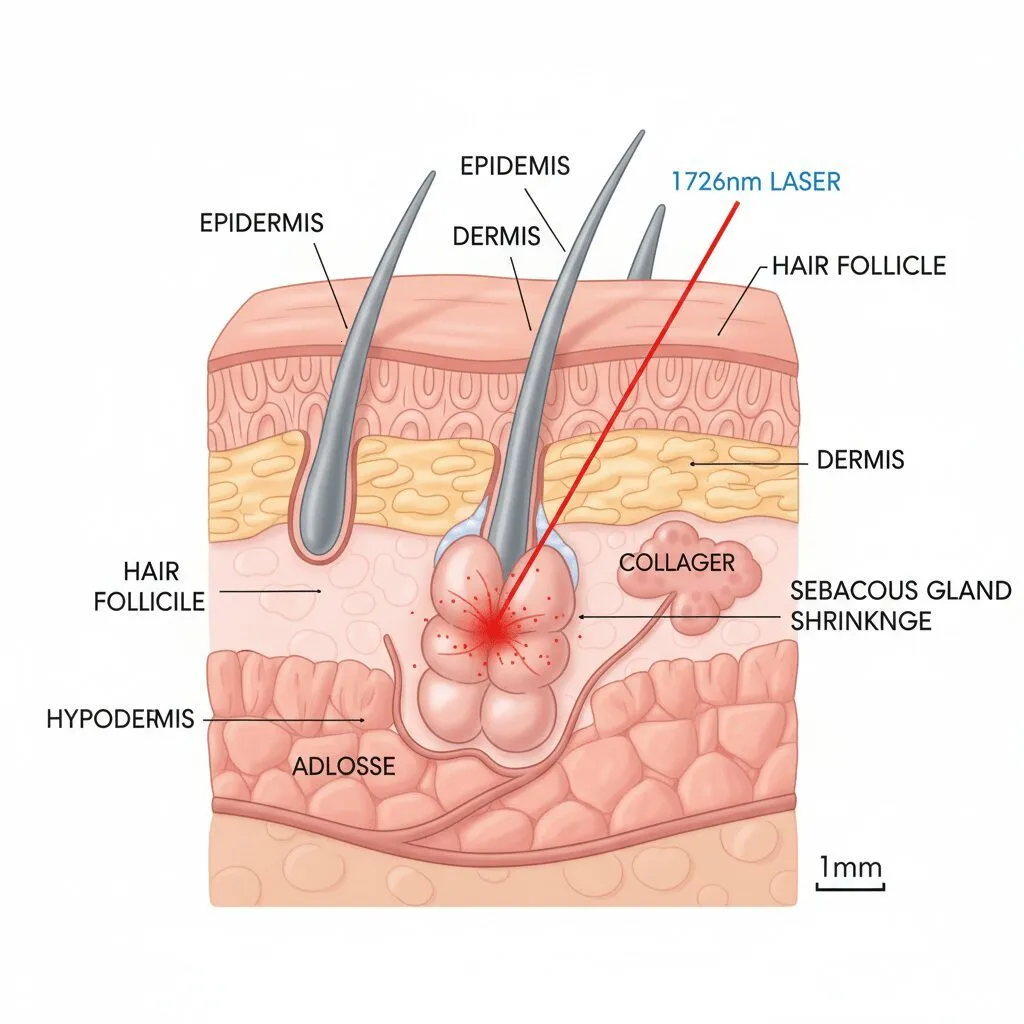
Enter the 1726nm laser. This is arguably the biggest hardware breakthrough in acne history. These lasers—specifically AviClear and Accure—utilize a wavelength of light (1726 nanometers) that is selectively absorbed by sebum (oil) and the sebaceous gland itself.
How Selective Photothermolysis Works
Think of this like a sniper versus a shotgun. Antibiotics and Accutane are shotguns; they affect your gut microbiome, your liver, and your entire skin surface. The 1726nm laser is a sniper. It passes through the top layer of skin (epidermis) without damaging it and heats the sebaceous gland until it is thermally damaged.
Once damaged, that gland produces significantly less oil. Less oil means fewer clogs, and fewer clogs mean the Cutibacterium acnes bacteria have nothing to feed on.
The Clinical Data: Does It Actually Work?
The numbers coming out of 2024 studies are staggering. We aren’t talking about minor improvements. According to Dr. Arash Moradzadeh via Medscape (August 30, 2024), in a long-term study of 100 patients treated with AviClear, 90% experienced clearance at 1 year following 3 treatments.
This rivals the long-term remission rates of Accutane, but without the systemic toxicity. Similarly, Flawless Rejuvenation / Accure Clinical Data (Jan 2024) reports that Accure’s “Boost Mode” clinical trials showed a 90% median reduction in inflammatory lesions at 52 weeks.
“Combining the AviClear with medical therapy… provides the best outcomes. You have to do all 300 pulses per treatment.” — Dr. Arash Moradzadeh, Plastic Surgeon
AviClear vs. Accure: What’s the Difference?
While both use the same wavelength, the patient experience differs slightly:
- AviClear: Typically requires 3 sessions spaced a month apart. It uses Sapphire cooling to protect the skin.
- Accure: Often involves 4 sessions. It utilizes air cooling and a unique temperature feedback mechanism to ensure the gland reaches the kill temperature without burning the skin.
Cost is a major factor here. You can expect to pay between $3,000 and $4,000 for a full package. While insurance rarely covers this, many patients find the “one-and-done” nature (or “three-and-done”) preferable to years of copays for prescriptions.
2. The First “Triple-Threat” Topical: Cabtreo (IDP-126)
If lasers are out of your budget, the topical world has also seen a massive upgrade. In the past, dermatologists would often prescribe two or three different tubes: an antibiotic for the morning, a benzoyl peroxide wash, and a retinoid for the night. This was a recipe for “adherence failure”—dermatology speak for “patients get tired and stop doing it.”
The FDA approval and 2024 rollout of Cabtreo (Clindamycin 1.2% / Adapalene 0.15% / Benzoyl Peroxide 3.1%) changed the game. It is the first fixed-dose triple-combination gel.
Why 3 Ingredients Are Better Than 2
Acne is multifactorial. You have bacteria, inflammation, and clogged pores. Cabtreo attacks all three simultaneously:
- Clindamycin: Kills the bacteria.
- Benzoyl Peroxide: Kills bacteria and prevents antibiotic resistance.
- Adapalene: A retinoid that unclogs pores and reduces inflammation.
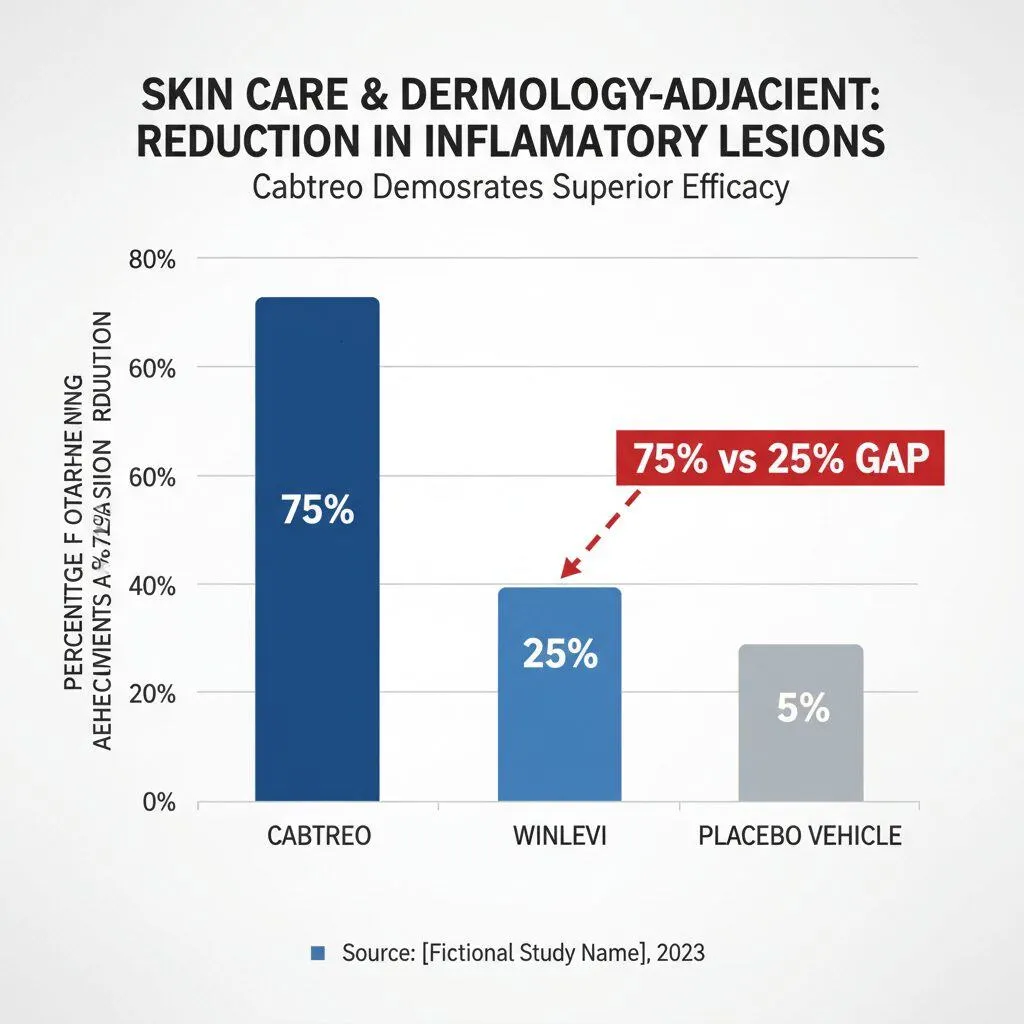
Combining these chemically without them degrading each other was a pharmaceutical challenge, but the results speak for themselves. According to FDA / Bausch Health (Oct 20, 2023/Available 2024), in Phase 3 clinical trials, Cabtreo achieved a 75.7% reduction in inflammatory lesions at Week 12. furthermore, approximately 50% of patients achieved ‘clear’ or ‘almost clear’ skin with Cabtreo, compared to roughly 20-25% with vehicle alone, according to FDA Approval Data via Drugs.com.
“One of the standout advancements of 2024 was the introduction of a fixed-dose combination therapy… it is the most efficacious single-agent topical treatment currently available.” — Dr. John Barbieri, Brigham and Women’s Hospital (Jan 16, 2025)
3. The Hormonal Game Changer: Winlevi (Clascoterone)
For decades, women with hormonal acne (typically along the jawline) were prescribed Spironolactone. While effective, Spironolactone is an oral diuretic that affects the whole body. Men generally couldn’t take it due to systemic hormonal side effects.
Winlevi (Clascoterone cream 1%) represents the first new mechanism of action for acne in 40 years. It is an androgen receptor inhibitor. In simple terms, it stops the “male” hormones (androgens) in your skin from telling your oil glands to go into overdrive, but it does so locally on the skin, not in your bloodstream.
New 2024 Data on Skin of Color
One of the most promising updates in 2025 concerns efficacy across diverse skin types. Often, clinical trials skew white, leaving questions about hyperpigmentation risks for darker skin tones. However, a 2024 study presented at the Fall Clinical Dermatology Conference confirmed Winlevi results in a 29% reduction in IGA score at 12 weeks, showing robust efficacy across demographics. This data comes directly from Sun Pharma / Fall Clinical Dermatology Conference (Oct 25, 2024).
4. The End of the Antibiotic Era? (2024 AAD Guidelines)
In my opinion, this is the most critical shift for your long-term health. For years, dermatologists handed out Doxycycline or Minocycline like candy. We now know that long-term antibiotic use wreaks havoc on the gut microbiome and breeds resistance.
The American Academy of Dermatology (2024 Guidelines) strictly recommend limiting systemic antibiotic use to prevent resistance, pushing for combination therapies instead. If an antibiotic is necessary, the guidelines now favor Sarecycline (Seysara), a narrow-spectrum antibiotic designed specifically for acne, which spares the good bacteria in your gut better than older drugs.
If your doctor tries to put you on an open-ended course of generic Doxycycline without an exit plan, show them the 2024 guidelines. The standard of care has changed.
5. The Future Horizon: The mRNA Acne Vaccine
This is the question I get asked most often: “Is there a vaccine coming?” It sounds like science fiction, but it is becoming science fact.
Sanofi is currently leading the charge with an mRNA vaccine candidate (similar tech to the COVID-19 vaccines) that targets the CAMP factor of Cutibacterium acnes. The goal isn’t to kill the bacteria (we need them for skin health) but to neutralize the toxic inflammation they cause.
Where are we in the timeline? LiveScience / Sanofi Clinical Registry (April 25, 2025) reports that Sanofi initiated a Phase I/II clinical trial in April 2024 recruiting 400 adults. Furthermore, A*STAR / Sanofi Press Release (Nov 22, 2024) confirms a new phase 1 clinical study is set to begin in Q2 2025 involving the National Skin Centre Singapore.
“We are pioneering groundbreaking approaches in acne treatment aimed at restoring a balanced microbiome through the power of the immune system.” — Jean-François Toussaint, Sanofi Head of R&D (Nov 2024)
Reality Check: While exciting, these trials take time. We likely won’t see a commercially available vaccine at your local pharmacy until 2027 or later. But the fact that we are in human trials is historic.
Cost vs. Value: Is the Laser Worth It?
Many patients balk at the $3,000 price tag for AviClear or Accure. However, when you calculate the lifetime cost of acne, the math changes. Between dermatologist copays, monthly prescriptions (which can run $50-$100 even with insurance), and over-the-counter skincare, the costs add up fast.
| Treatment Path | Estimated 3-Year Cost | Pros | Cons |
|---|---|---|---|
| Topical Regimen (Prescription) | $1,800 – $2,500 | Non-invasive, insurance coverage | Daily adherence required, slow results |
| 1726nm Laser (AviClear/Accure) | $3,000 – $4,000 | Drug-free, long-term remission, 3-4 visits total | High upfront cost, temporary discomfort |
| Oral Antibiotics | $500 – $1,000 | Cheap, widely available | Gut health damage, temporary fix only |
Frequently Asked Questions (FAQ)
What is the new laser treatment for acne in 2025?
The newest FDA-cleared lasers are AviClear and Accure. Both use a 1726 nm wavelength to selectively target and shrink sebaceous glands, reducing oil production permanently. Clinical data shows a 90% clearance rate at one year.
Is Cabtreo better than Tretinoin?
It depends on your acne type, but Cabtreo is generally considered more comprehensive. Cabtreo is a triple-combination (Clindamycin, Adapalene, Benzoyl Peroxide), whereas Tretinoin is a single retinoid. Clinical data suggests Cabtreo may offer faster results for inflammatory acne due to its multi-pronged approach.
How much does AviClear cost?
In 2025, the average cost is between $3,000 and $4,000 for a package of three treatments. It is generally not covered by insurance as it is considered a cosmetic device procedure, though some practices offer payment plans.
Are acne vaccines available yet?
No. As of 2025, the Sanofi mRNA acne vaccine is in Phase I/II clinical trials. While progress is fast, it is not expected to be publicly available until at least 2027.
Does Winlevi work for hormonal cystic acne?
Yes. Winlevi targets the androgen receptors in the skin that trigger hormonal acne. It is an excellent option for patients who want to treat the hormonal root cause without taking systemic pills like Spironolactone.