 Johnson
How to Choose the Right Face Wash for Your Skin: The Dermatologist-Approved Guide (2025)
We need to talk about that “squeaky clean” feeling.
You know the one—where your face feels tight, shiny, and stripped bare after washing. For years, I thought this was the sign of a job well done. I assumed if my skin wasn’t practically squeaking, the dirt and oil were still there. It turns out, that specific sensation is actually a biological red flag.
In my decade of researching dermatological skincare, the biggest mistake I see isn’t people not washing their faces—it’s people waging chemical warfare on their skin barrier in the name of hygiene. And the data backs this up. According to a 2025 report from Market.us, 72% of consumers use facial cleansers regularly, making it the most used skincare category globally. Yet, millions of us are getting it wrong.
With 50 million Americans suffering from acne annually, according to 2024 data from the AAD Association, the stakes are higher than just looking good. Picking the wrong bottle off the shelf can disrupt your pH balance, exacerbate breakouts, and accelerate aging.
This isn’t just about picking a pretty bottle. In this guide, we are going to break down the science of surfactants, the truth about pH levels, and how to finally stop guessing in the skincare aisle.
What We’ll Cover:
Step 1: The Clinical 30-Minute Skin Type Test
Before you even look at ingredients like niacinamide or salicylic acid, you have to diagnose your baseline. Most people think they know their skin type, but they are often treating a condition (like dehydration) rather than their actual genetic skin type.
I recommend the “Wash & Wait” method, which is widely considered the gold standard for at-home assessment.
How to Perform the Test
- Wash: Cleanse your face with a gentle, non-medicated cleanser. Rinse thoroughly with lukewarm water.
- Wait: Gently pat dry (do not rub). Do not apply toner, serum, or moisturizer. This is the hardest part—you have to let your skin sit naked for 30 minutes.
- Observe: After the half-hour mark, look in the mirror and smile.
The Results Decoder:
- Oily Skin: You notice shine on your cheeks, nose, and forehead.
- Dry Skin: Your skin feels tight, especially when you smile, or you see flaky patches.
- Combination Skin: Your T-zone (forehead and nose) is shiny, but your cheeks feel tight or normal.
- Normal Skin: No tightness or significant shine.
This test helps distinguish between dry skin (a lack of oil) and dehydrated skin (a lack of water). Dehydrated skin can actually overproduce oil to compensate for the lack of moisture, leading many people to mistakenly buy harsh cleansers that strip the skin further. We want to avoid increasing Transepidermal Water Loss (TEWL), which occurs when the skin barrier is compromised.
Step 2: Matching Cleanser Texture to Skin Biology
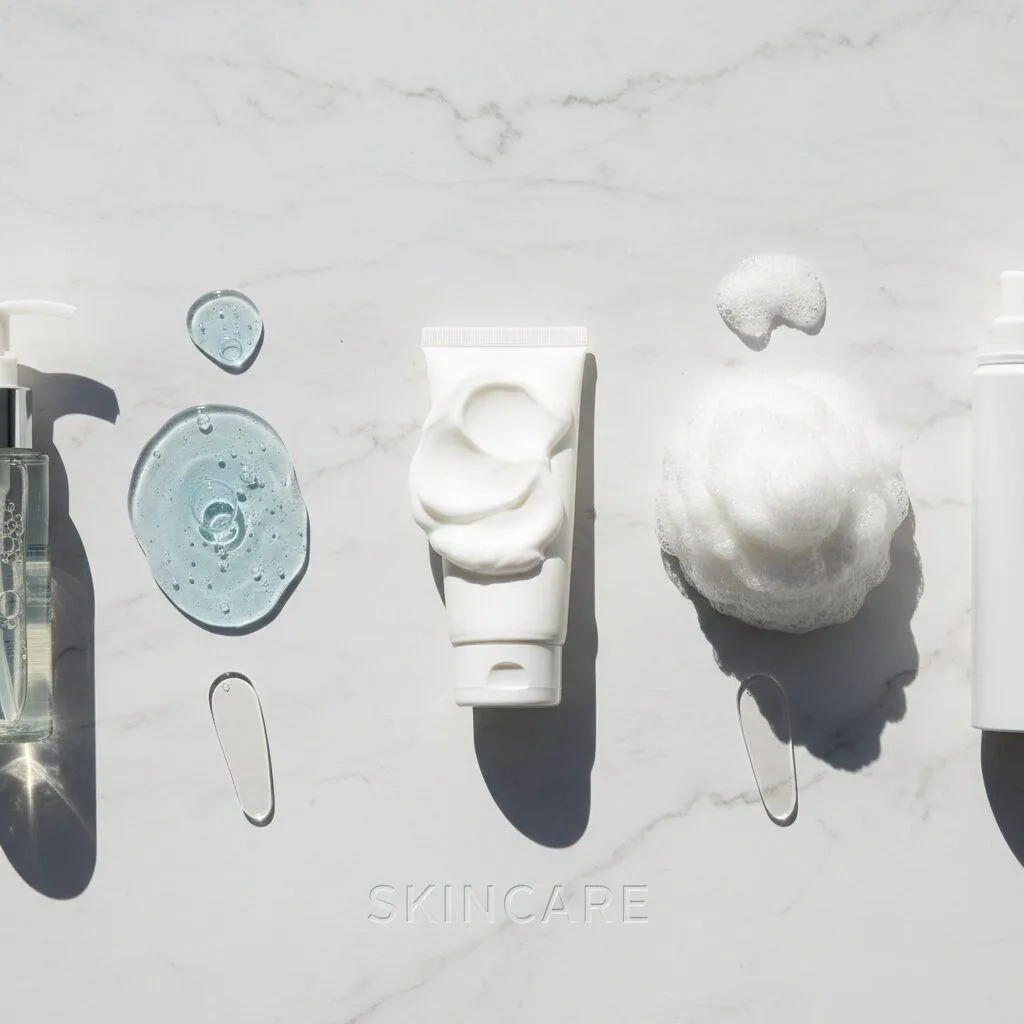
Once you know your type, the texture of the cleanser is your first filter. The vehicle (texture) usually dictates the delivery system of the ingredients.
Foaming & Gel: The Oily/Acne-Prone Hero
If your 30-minute test revealed excess sebum, foaming or gel cleansers are generally your best bet. These formulations effectively cut through grease and remove dirt from deep within the pores.
However, a warning: In the past, foaming cleansers relied on harsh surfactants like sulfates. Modern formulations use gentler cleaning agents. According to Tiege Hanley’s 2025 consumer report, 60% of men aged 18-24 now use facial cleansers daily, with a strong preference for gel textures because they leave the skin feeling refreshed without the heavy residue of creams.
Cream & Milky: The Barrier Builders
For dry or sensitive skin types, the goal is to clean without stripping lipids. Cream cleansers are often formulated with emollients and oils that stay behind on the stratum corneum (the outermost layer of skin) even after rinsing.
Dr. Marisa Garshick, a leading dermatologist, puts it perfectly: According to her 2025 interview with NYMag Strategist, “A good cleanser should do no harm. After washing, your skin should feel refreshed, not tight or parched.” If you have dry skin, look for “non-foaming” on the label.
Micellar & Oil: The “Like Dissolves Like” Science
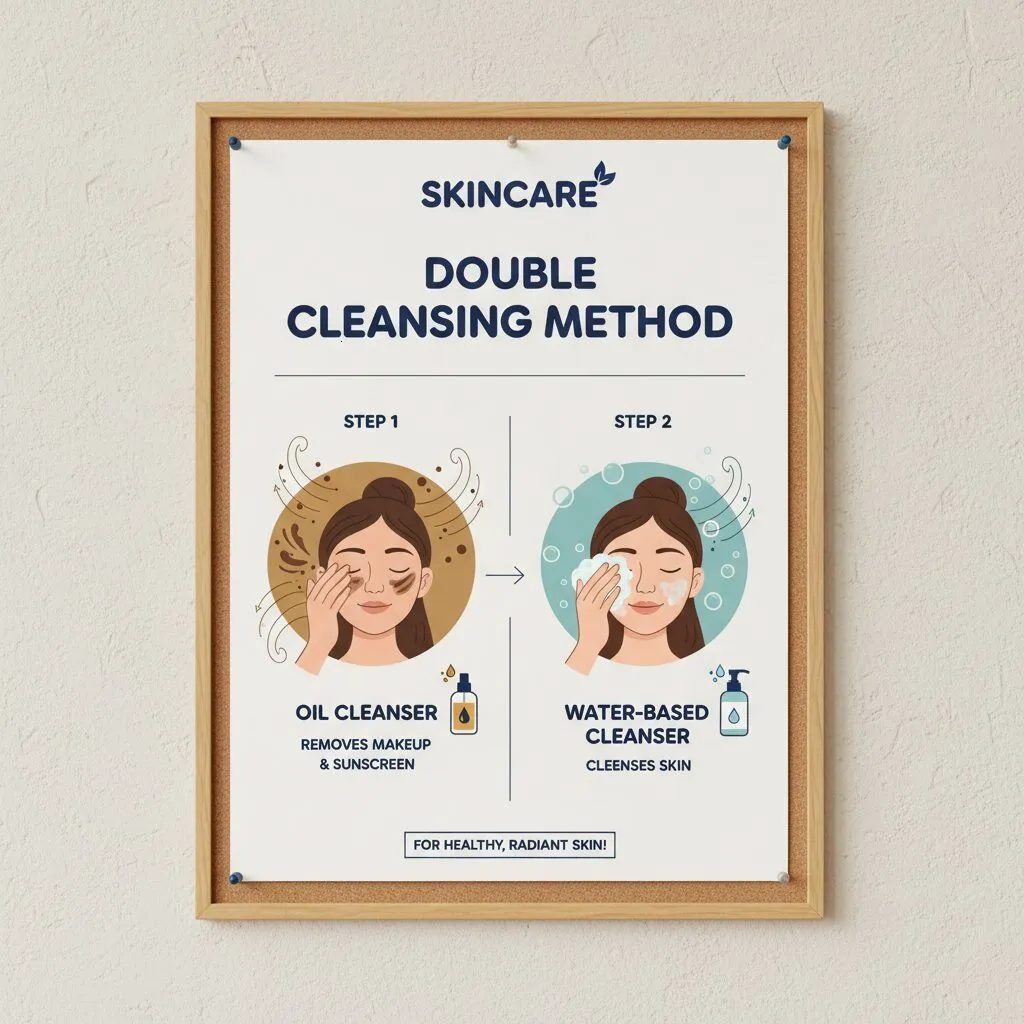
This is where chemistry gets cool. Oil dissolves oil. If you wear heavy makeup or waterproof sunscreen, a water-based cleanser might not cut it. An oil-based cleanser or balm binds to the oils in your makeup and sebum, lifting them away without scrubbing.
This leads us to the concept of Double Cleansing—using an oil cleanser first, followed by a water-based one. It’s not just hype; it’s the most effective way to remove debris without compromising the skin barrier.
Step 3: Ingredient Science: What to Look For (And Avoid)
Reading an ingredient label can feel like deciphering a dead language. But in 2025, we have clearer clinical data on what actually works. Here is your cheat sheet.
The 2025 “Golden Trio”
Regardless of your skin type, these three ingredients support the skin barrier:
- Ceramides: Think of your skin cells as bricks; ceramides are the mortar holding them together. They are essential for preventing moisture loss.
- Niacinamide: A form of Vitamin B3 that regulates oil production and calms redness. According to dermatological data, it is one of the few ingredients that works across almost all skin types.
- Hyaluronic Acid: A humectant that draws water into the skin, combating dehydration instantly.
Surfactant Safety: SLS vs. Amino Acids
Surfactants are the agents that actually do the cleaning. For decades, Sodium Lauryl Sulfate (SLS) was the king. It creates huge bubbles, but it’s notorious for irritation. Dr. Joshua Zeichner explains in The Guardian (Aug 2025), “The right cleanser can add to the health of your skin, while the wrong one can actually impair it by stripping essential lipids.”
The Fix: Look for “Sulfate-free” labels or cleansers using Amino Acids (look for ingredients ending in -glutanate or -glycinate). These clean effectively but maintain the skin’s structural integrity.
The pH Factor: Why Tap Water is the Enemy
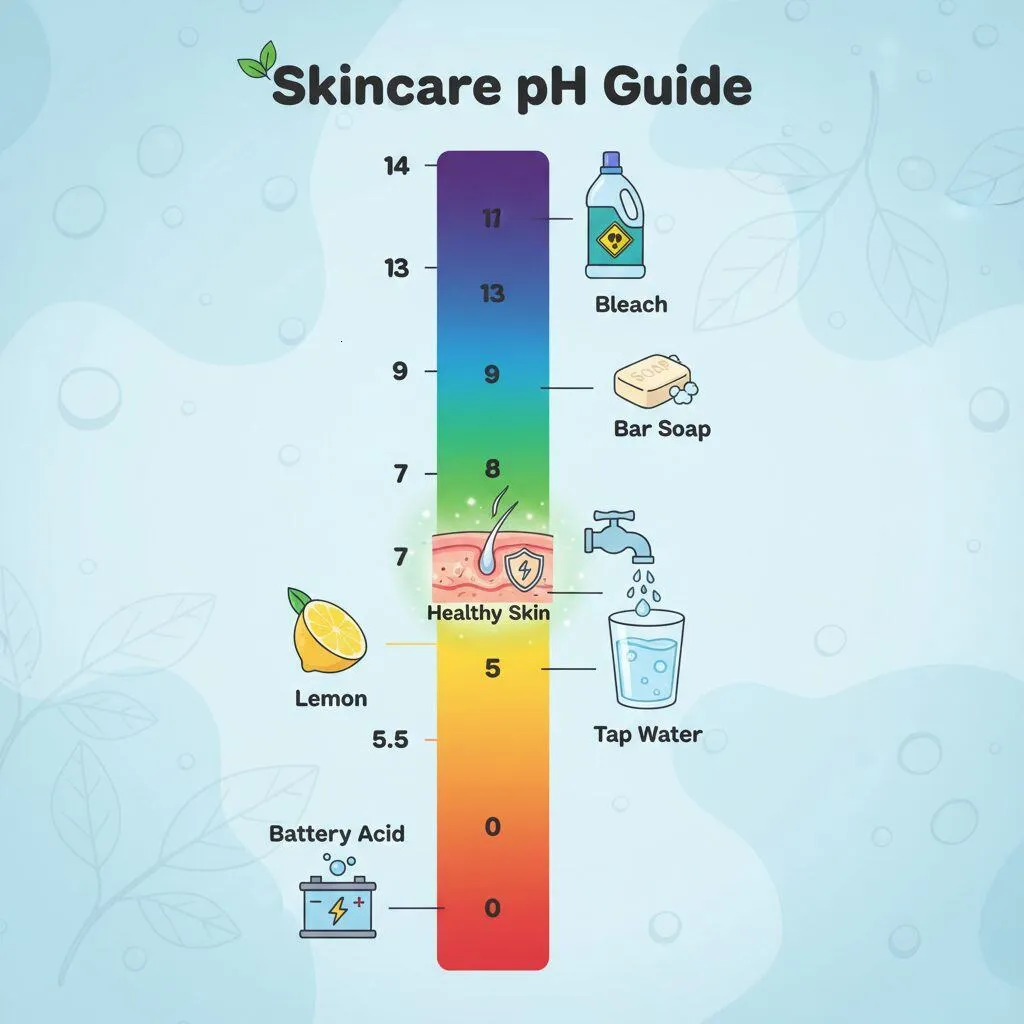
This is the section that most guides skip, but it is arguably the most critical. Your skin has a natural protective barrier called the “acid mantle,” which sits at a pH of roughly 4.5 to 5.5.
Here is the problem: Tap water usually has a pH between 7.0 and 8.5.
When you wash your face with just water—or worse, a high-pH soap (which can be pH 9-10)—you shift your skin into an alkaline state. A study published in the MDPI Journal of Clinical Medicine (2024) found that high-pH soaps can raise skin pH from 5.5 to 7.5 for several hours, increasing irritancy risk by 40%. When your pH is too high, bacteria thrive, and moisture escapes.
Increase in skin irritation risk when skin pH is raised from 5.5 to 7.5.
Furthermore, research published in Jan 2025 by Janssens-Böcker et al. confirmed that low-pH cleansers (pH < 5) positively impact skin microbiome diversity and reduce the pathogenic Corynebacterium genus. Essentially, an acidic face wash helps good bacteria fight off the bad bacteria.
Expert Tip: Always look for “pH-balanced” on the label, or aim for products specifically citing a pH of 5.5.
Specialized Cleansing for Skin Concerns
If you are dealing with specific issues, your cleanser can be the first step in your treatment plan. However, “treatment” doesn’t mean “aggression.”
Best Actives for Acne: Salicylic Acid vs. Benzoyl Peroxide
Acne suffers often feel they need to scrub their face into submission. Please don’t. Chemical exfoliation is far superior to physical scrubs.
Salicylic Acid (SA): This beta-hydroxy acid is oil-soluble, meaning it dives deep into the pore to dissolve clogs. Dr. Alicia Zalka tells NYMag (2025), “Salicylic acid helps break up the matrix of oil and dead skin cells that plugs pores without requiring aggressive scrubbing.”
The Clinical Proof: A 2025 study in the Journal of Drugs in Dermatology (Hussain et al.) found that a 2% SA cleanser using “Polymeric Cleansing Technology” reduced acne lesions significantly by Week 4 without compromising skin barrier integrity. This is a game-changer, proving you don’t need to dry out your skin to clear it.
Benzoyl Peroxide (BP): Better for inflammatory, red, angry pimples as it kills acne-causing bacteria. However, it can be drying. Start with a lower percentage (2.5% or 4%) rather than the 10% options.
Soothing Sensitive Skin
If your face turns red if you even look at it wrong, you need calming botanicals. Centella Asiatica (Cica) has exploded in popularity for a reason—it’s a wound-healing powerhouse. Avoid fragrances, essential oils, and alcohol denat.
Question-Based Expert Insight: Should I wash my face once or twice a day?
This is a common “Position Zero” question. The consensus? Twice a day is standard, but listen to your skin. In the morning, a splash of lukewarm water might suffice for dry skin types to retain natural oils. However, evening cleansing is non-negotiable to remove sunscreen, pollution, and makeup.
Common Mistakes & Expert Hacks
You’ve got the right cleanser, but are you using it correctly?
The “60-Second Rule”
If you are using a cleanser with active ingredients (like Salicylic Acid or Benzoyl Peroxide), washing it off immediately renders it useless. It takes time for ingredients to penetrate the stratum corneum. Massage the cleanser gently into your skin for a full 60 seconds before rinsing. It feels like a long time, but it makes the difference between a face wash that cleans and one that treats.
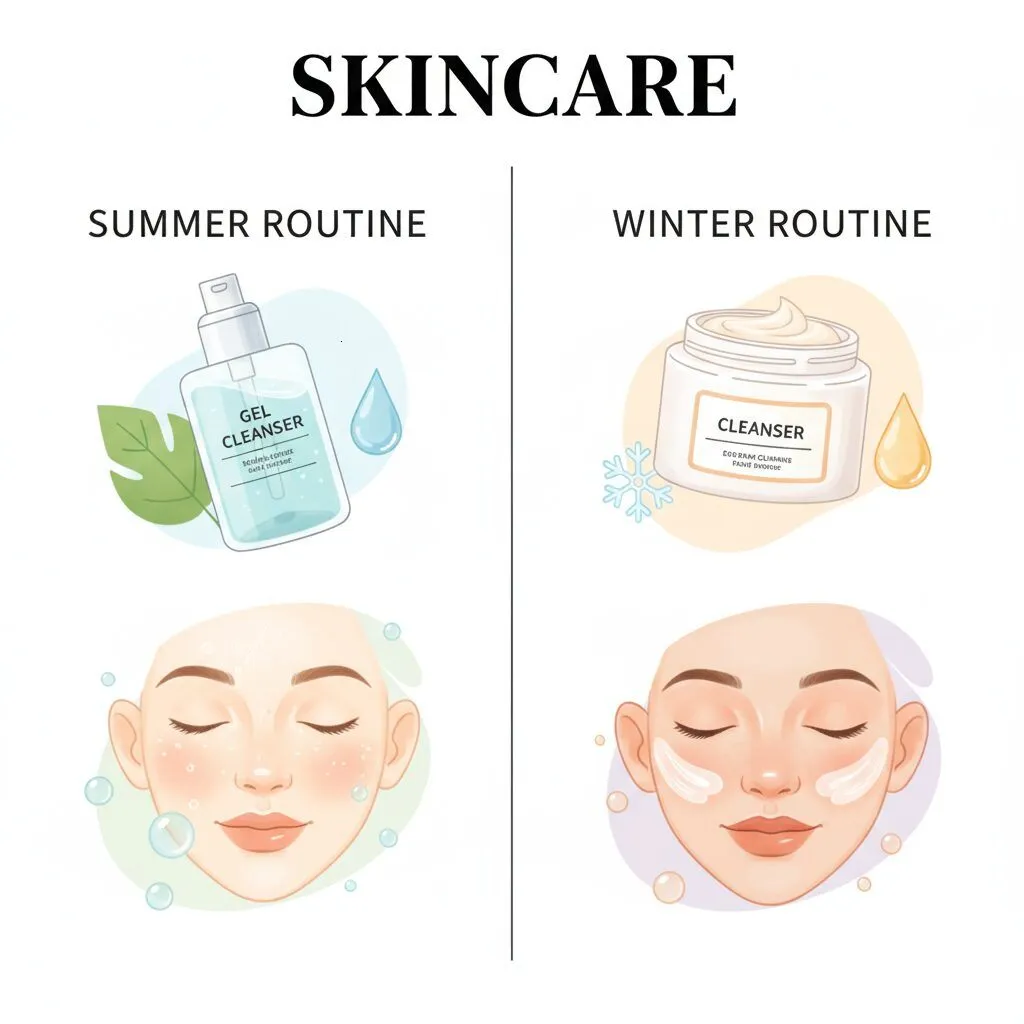
Seasonal Swapping
You don’t wear the same coat in July that you wear in January, so why use the same face wash? In winter, humidity drops, and indoor heating sucks moisture from your pores. I personally switch to a milky or cream cleanser from November to March, then rotate back to a foaming gel when the summer humidity (and my sebum production) kicks in.
Final Thoughts: Consistency is Key
Choosing the right face wash is the foundation of your entire skincare routine. If your cleanser is stripping your barrier, no amount of expensive serum or moisturizer can fully repair the damage. By identifying your true skin type using the 30-minute test, respecting the pH balance, and choosing modern, gentle surfactants, you are setting your skin up for long-term health.
Remember, skincare is personal. What works for a viral influencer might be disaster for your microbiome. Trust the science, listen to your skin, and don’t be afraid to pivot if something isn’t working.
Disclaimer: This article is for informational purposes only and does not constitute medical advice. For severe skin conditions, always consult a board-certified dermatologist.