


Best Face Creams for Cold Weather: 2025 Expert Guide to Barrier Repair
While you swap your lightweight wardrobe for heavy wool coats and cashmere scarves, your skin is silently fighting a losing battle. The moment the temperature drops, the humidity levels plummet, and your skin barrier—the only shield you have against the elements—begins to fracture.
You’ve probably felt it: that tight, “shrink-wrapped” sensation on your face the moment you step outside. It’s not just in your head. According to data released by Pour Moi Skincare on December 18, 2023, Transepidermal Water Loss (TEWL) is accelerated by at least 25% in a polar climate. That is a massive physiological shift that a standard lotion simply cannot handle.
In this guide, we aren’t just listing products. We are exploring the science of “Functional Barrier Closure” and identifying the best face creams for cold weather that utilize the correct lipid ratios to stop winter Xerosis in its tracks.

The Science of Winter Skin: Why Your Light Lotion Fails
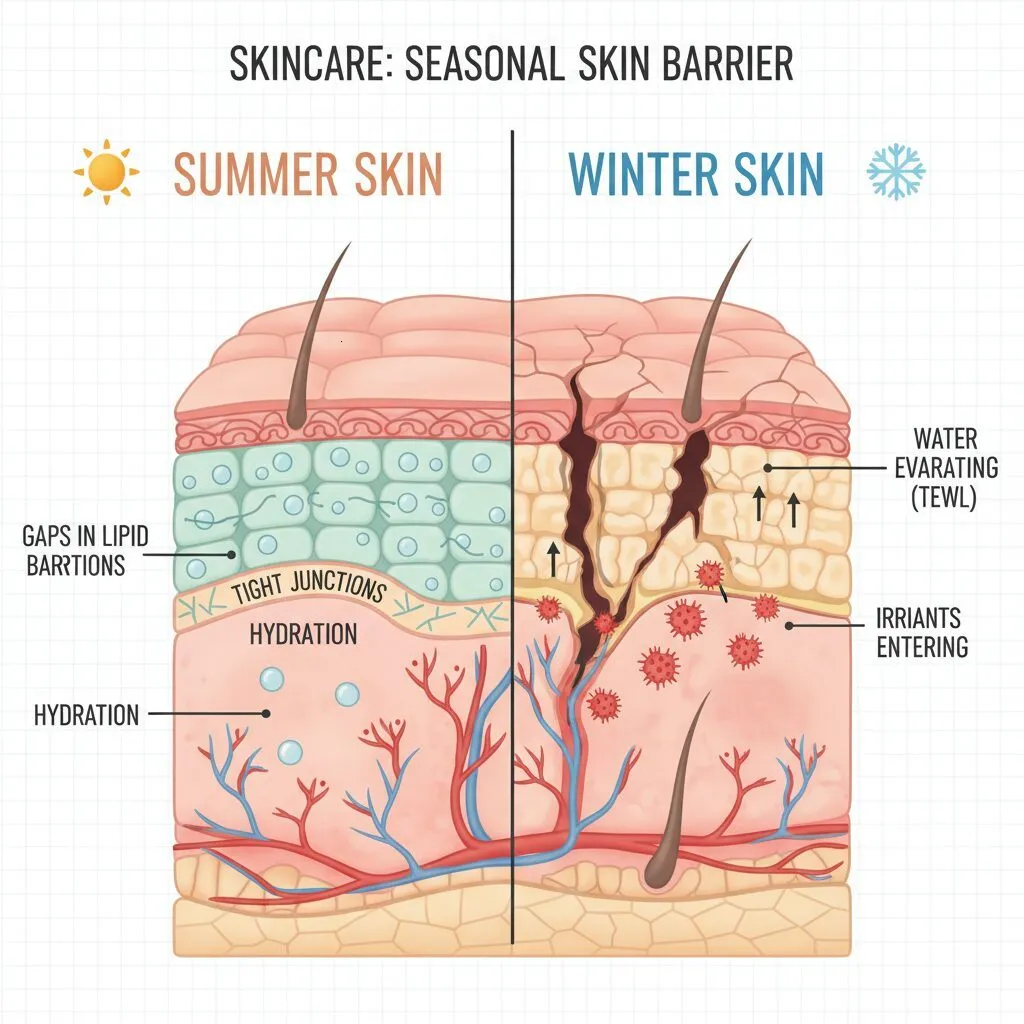
To choose the right cream, you have to understand the enemy. In dermatology, we talk about TEWL—Transepidermal Water Loss. This is the passive evaporation of water from the deep layers of your skin through the epidermis into the atmosphere.
In winter, the air is “thirsty.” It pulls moisture from wherever it can get it, and your face is usually the most exposed source. The correlation is terrifyingly direct. According to a December 2023 report from Pour Moi Skincare, the body produces approximately 10% less moisture for every degree drop in temperature. If the temperature drops 20 degrees, your skin’s natural hydration production is effectively crippled.
The “Heater Face” Phenomenon
It’s not just the outdoors. We retreat inside to stay warm, but that creates a secondary assault. Dr. Neda Mehr, Medical Director at Pure Dermatology, explained in a December 16, 2025 interview with Real Simple that “When the weather is cold, we generally begin utilizing heaters which evaporate the liquid barrier of the skin and lead to dry, cracked skin.”
This constant oscillation—from freezing, dry outdoor air to blasting, dry indoor heat—creates what I call a “micro-trauma” cycle for your barrier.
You aren’t alone in this struggle. According to In-Cosmetics Connect (June 13, 2024), statistics indicate that Xerosis (medical-grade dry skin) is very common, with almost a third of the population suffering from it. Furthermore, the Barrier Repair Skincare market was valued at $870 million in 2024 and is projected to reach $1,361 million by 2033, proving that consumers are desperate for real solutions.
The Golden Ratio: 2:4:2 and Barrier Repair
Here is the secret that separates average moisturizers from the best face creams for cold weather: The Lipid Ratio.
Your skin barrier is like a brick wall. The skin cells are the bricks, and the “mortar” holding them together is made of lipids. This mortar is composed of three specific things: Ceramides, Cholesterol, and Fatty Acids.
Most drugstore creams throw in some ceramides and call it a day. However, research suggests that for optimal repair, you need a ratio of roughly 2% Ceramides, 4% Cholesterol, and 2% Fatty Acids (or a 1:2:1 molar ratio).
According to a 2023/2024 analysis from PubMed/NIH, a split-face study showed that side treated with a Ceramide NP cream maintained homeostasis and improved skin texture significantly (p < 0.05) even after 6 hours of exposure to indoor heating.
Top Picks: Best Face Creams for Cold Weather (By Category)
Based on the latest 2024-2025 formulation data and clinical studies, here are the top-tier recommendations for surviving the freeze.
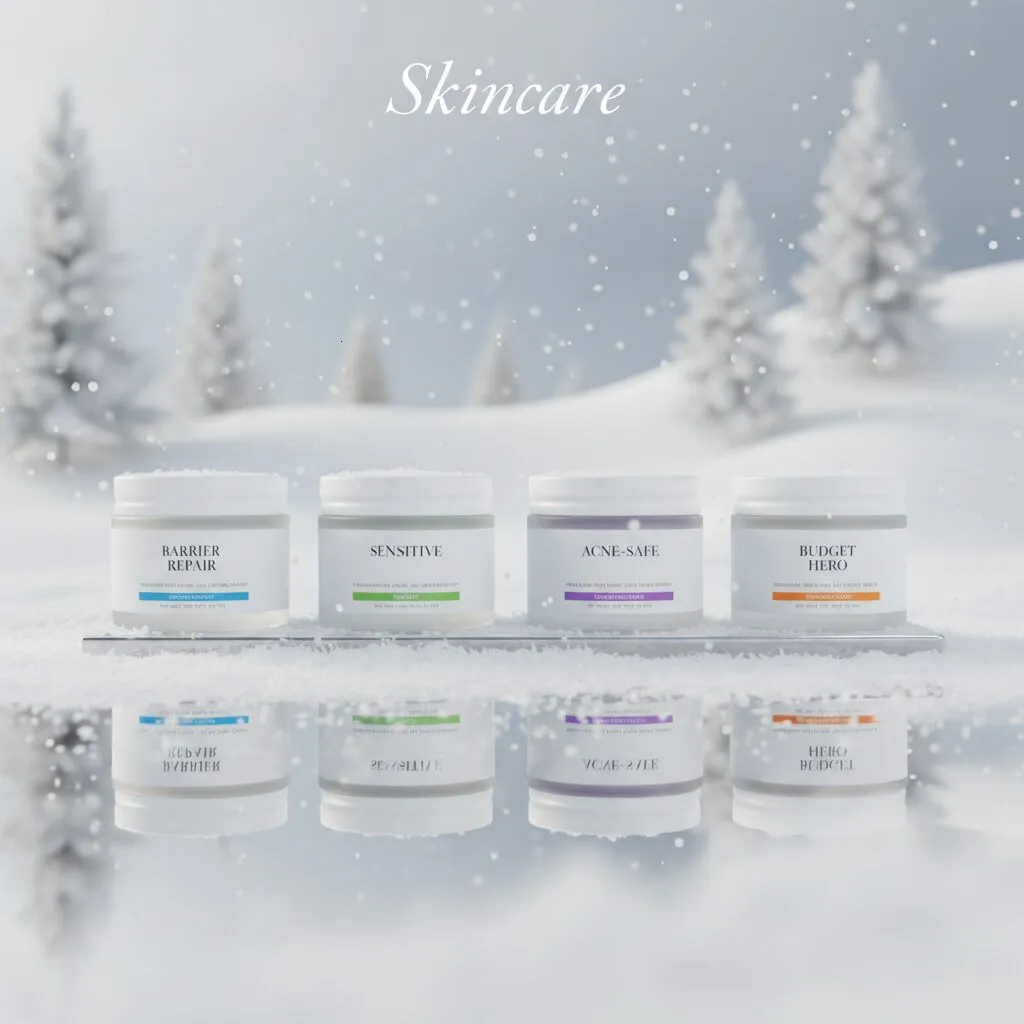
1. Best Overall: The Regenerative Barrier Support
For the absolute best defense, you want a cream that mimics the skin’s natural biology while providing a heavy occlusive shield. We are looking for products rich in growth factors and stem cell media.
In a compelling example of efficacy, FactorFive Skincare released 2025 clinical data showing a quantifiable reduction in redness and porphyrins when using regenerative anti-aging creams during harsh weather conditions. This isn’t just moisturizing; it’s cellular repair.
Look for: Formulas containing human stem cell growth factors, peptides, and a rich blend of shea butter.
2. Best for Deep Hydration: The “Skin Flooding” Creams
If your skin feels like sandpaper, you need hydration intensity. We are seeing incredible clinical results from creams utilizing advanced Hyaluronic Acid technologies.
According to Kaplan MD Research (Dec 27, 2023), their targeted Hydration Créme was shown to improve skin hydration by 54.98% after using it just once. This immediate spike in hydration is critical for preventing the “cracking” sensation in the morning.
Look for: Multi-molecular weight Hyaluronic Acid, Squalane, and Glycerin.
3. Best for Sensitive & Reactive Skin
Winter often brings redness and rosacea flares. If this is you, avoid fragrance entirely. You need soothing agents like Panthenol (Vitamin B5) and Oat extracts.
The Niacinamide Factor: Don’t overlook Niacinamide. Dr. Yusra Al-Mukhtar noted on Oct 30, 2024, that it is “clinically proven that 5% niacinamide used twice a day can help to improve barrier function.” It strengthens the wall so the wind can’t blow it down.
4. Best Budget Pick: The Drugstore Heroes
You don’t need to spend a fortune. Look for petrolatum-based moisturizers or creams containing urea. Urea is a powerhouse for “winter skin xerosis” (search volume 450/month) because it is both a humectant (holds water) and a keratolytic (softens rough skin).
Essential Ingredients to Look for in 2025
When scanning the ingredient label (INCI list) in the drugstore aisle, look for these three categories. If a cream doesn’t have at least one from each column, put it back on the shelf.
| Humectants (The Magnets) | Emollients (The Smoothers) | Occlusives (The Sealants) |
|---|---|---|
| Glycerin | Ceramides (NP, AP, EOP) | Petrolatum |
| Hyaluronic Acid | Squalane | Shea Butter |
| Urea | Cholesterol | Dimethicone |
| Panthenol (B5) | Fatty Acids | Beeswax |
Expert Routine: How to Layer for “Skin Flooding”
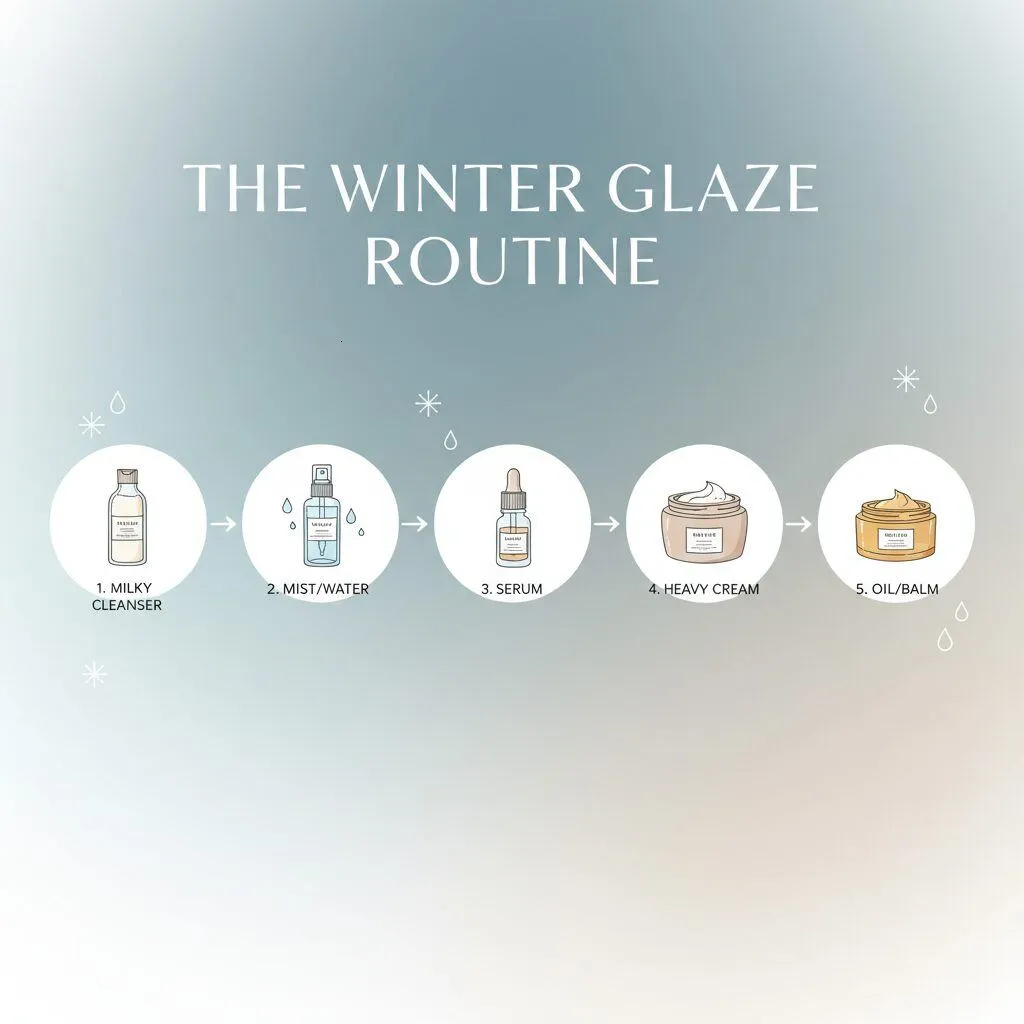
The product is only 50% of the solution; the application is the other 50%. In 2025, the trend is “Skin Flooding”—layering hydration in a specific order to trap moisture.
According to Dr. Dendy Engelman (Oprah Daily, Dec 15, 2025), “To lock in moisture, I layer rich moisturizers and oils, especially post-shower.” Here is the optimized routine:
- Step 1: Gentle Cleanse. Use a milky, non-foaming cleanser. As Dr. Joyce Davis stated in 2024 AAD guidance, “You want to make sure your cleanser puts moisture into the skin, rather than taking it out.”
- Step 2: Dampen Skin. Do not towel dry completely. Leave skin slightly wet.
- Step 3: Humectant Serum. Apply your Hyaluronic Acid or Glycerin serum now.
- Step 4: The Barrier Cream. Apply your lipid-rich face cream (Ceramides/Cholesterol).
- Step 5: The Seal (PM Only). Finish with a facial oil (Squalane or Jojoba) or a thin layer of an occlusive ointment.
Common Winter Mistakes: What NOT to Do
In my experience consulting on skincare routines, I see people making the same errors every November. Here is how to avoid sabotaging your barrier.
1. Over-Exfoliating
When skin gets flaky, the instinct is to scrub it off. Stop. Dr. Marisa Garshick warned in Refinery29 (Dec 28, 2024) that “Exfoliating too often—or too aggressively—can actually create micro-tears in the skin which can lead to skin irritation and redness.” Switch to gentle PHAs (Polyhydroxy Acids) or enzyme exfoliants, and limit use to once a week.
2. Skipping SPF
This is the most dangerous myth. The winter sun is deceptive. According to the American Academy of Dermatology (Feb 6, 2024), “One in seven Americans are unaware that the sun’s UV rays are reflected by snow, water, and sand.”
Dr. Dawn Davis of the Mayo Clinic further emphasizes: “Many people don’t realize that you need to use sun protection in the winter. It’s easy to get sunburned because snow reflects the sun’s damaging rays.” If you are using a rich face cream, ensure your final layer is still SPF 30+.
Frequently Asked Questions
A: This is a sign of a compromised barrier. Micro-cracks in the stratum corneum allow ingredients to penetrate too quickly, stimulating nerve endings. Switch to a bland, hypoallergenic cream without acids or fragrance until the barrier heals.
A: You can, but it likely won’t be enough to stop TEWL. I recommend layering a gel moisturizer underneath a lightweight squalane oil. Squalane is non-comedogenic (won’t clog pores) but seals in the hydration from the gel.
A: Yes. Temperatures above 100°F (38°C) strip natural lipids from your skin. It melts the “mortar” we discussed earlier. Stick to lukewarm water, especially when washing your face.
A: Generally, no. While petrolatum is non-comedogenic, it creates such a perfect seal that it traps bacteria and sebum inside the pore. If you have active acne, use a barrier cream rich in Dimethicone instead of Petrolatum.
A: When you bury your face in a scarf, you create a warm, moist environment from your breath. This can encourage bacterial growth and lead to “acne mechanica” or even fungal acne. Wash your winter accessories weekly.
Conclusion: Winter-Proofing Your Face
Surviving the winter isn’t about buying the most expensive jar on the shelf; it’s about respecting the biology of your skin. Remember the 10% rule: for every degree the temperature drops, your skin loses 10% of its moisture production capabilities.
By shifting to a lipid-rich cream (focusing on that 2:4:2 ratio of ceramides, cholesterol, and fatty acids) and adopting a “flooding” routine, you can maintain a healthy glow even in sub-zero temperatures. Don’t wait until your skin is cracking to make the switch. Prevention is easier—and far less painful—than repair.
Take a look at your current moisturizer today. If the first ingredient is water and there are no occlusives in the top five, it’s time for an upgrade.