 Johnson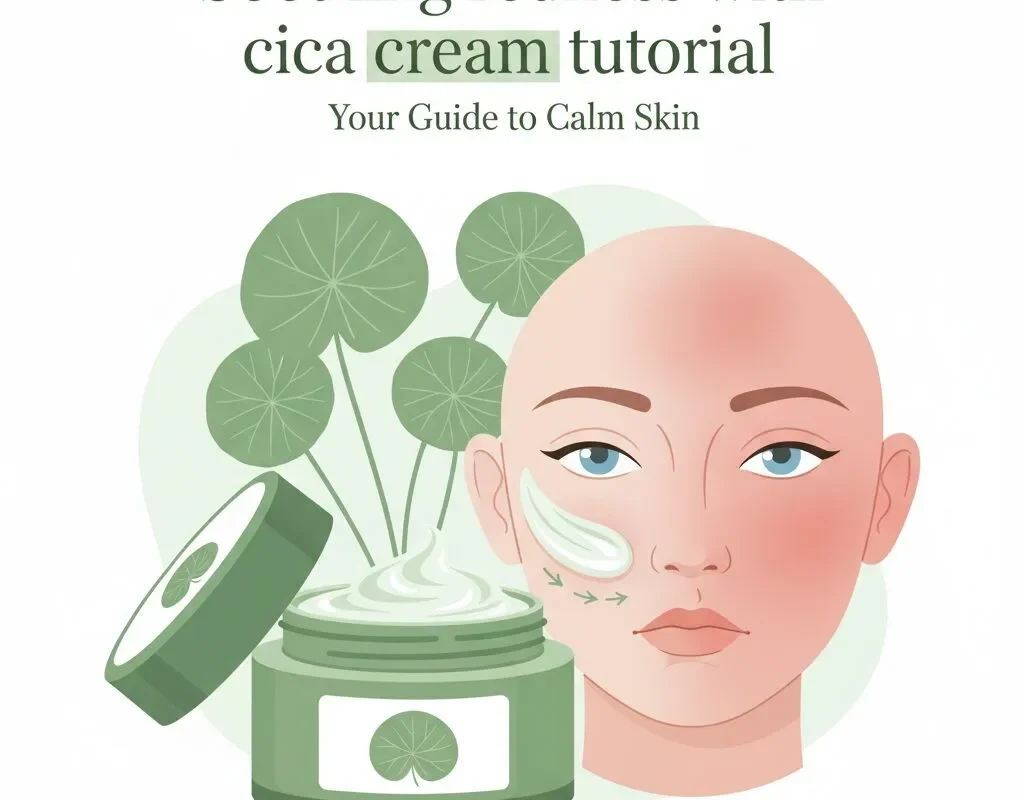
How to Use Cica Cream to Soothe Skin Redness
I know exactly how it feels. You wash your face, and suddenly your skin burns. It feels tight, hot, and looks flushed. I spent years trying to cover up my redness with makeup before I realized I needed to fix the root cause.
I wasted hundreds of dollars on fancy jars that promised to help. Most just sat on my shelf. Then I discovered cica cream. But here is the catch: it only works if you use it correctly.
In this soothing redness with cica cream tutorial, I will show you exactly how I use it. I’ll teach you how to spot the fake products and the specific steps to repair your skin barrier. Let’s get your skin calm again.
Why Cica Cream Works for Red Skin
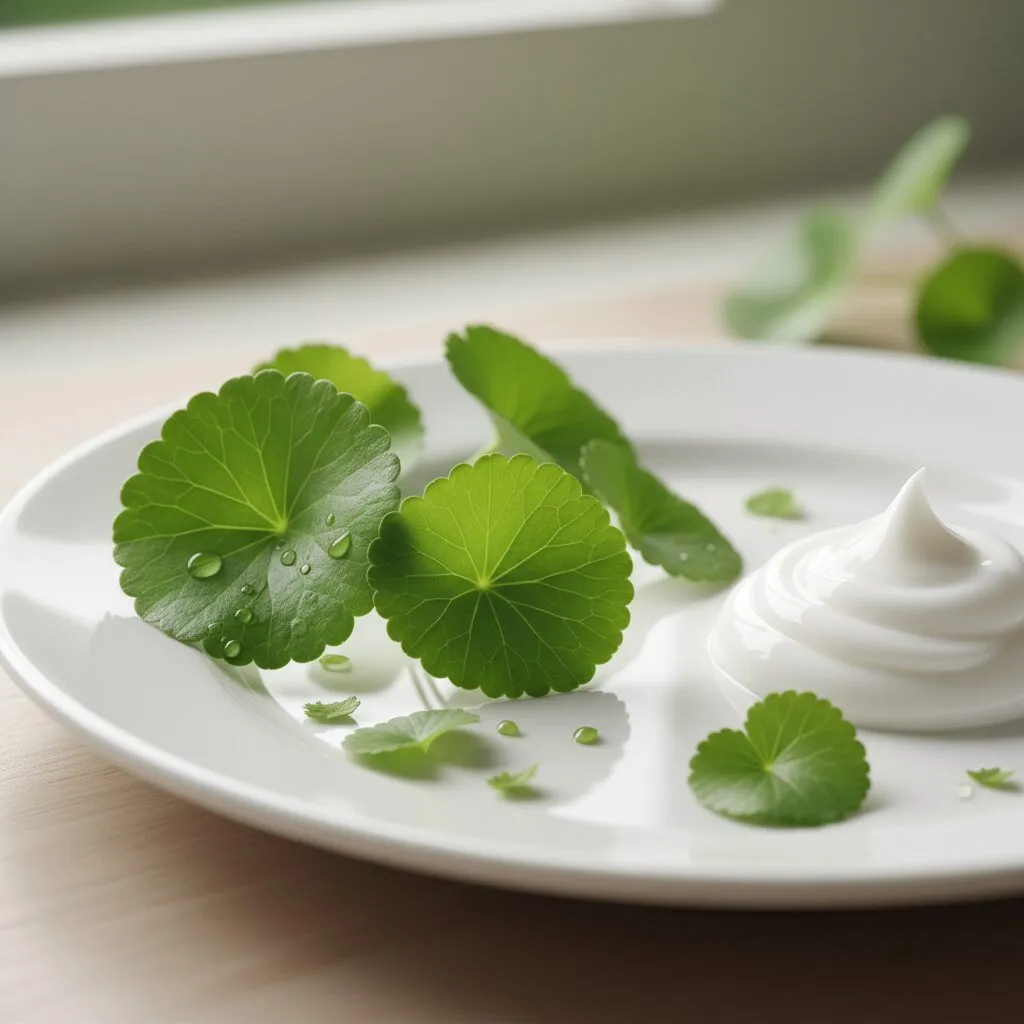
You might see “cica” everywhere these days. It comes from a plant called Centella Asiatica, or Tiger Grass. Legend says tigers roll in it to heal their wounds. I thought that was just a cool story until I looked at the science.
Cica isn’t just a moisturizer. It actively stops the signals that tell your skin to get red and angry. I found a 2017 clinical trial that showed Centella extracts reduced skin redness significantly in just seven days.
Here is what happens when you apply it:
- It cools the fire: It blocks the triggers (called cytokines) that cause inflammation.
- It builds strength: A compound called Asiaticoside helps your skin make collagen. This thickens your skin barrier so irritants can’t get in.
- It stops water loss: Damaged skin leaks water. A good cica cream seals that moisture in.
I noticed a difference in my skin’s temperature within minutes of my first proper application. It felt like putting a fire extinguisher on a campfire.
The Ingredients That Actually Matter
This is where most people lose money. I learned this the hard way. Not all cica creams are the same.
Many brands use what experts call “ingredient dusting.” They put a tiny drop of cica-sometimes as low as 0.01%-into a huge vat of lotion just so they can put the word “Cica” on the label. 98% of products on the shelf do this.
If you want results, you need to ignore the front of the box. Turn it over. You are looking for four specific names in the ingredient list:
- Madecassoside: This is the heavy lifter for soothing. Studies from the NIH show you need about 0.1% for it to work well.
- Asiaticoside: This helps with healing and collagen.
- Madecassic Acid: This fights off damage.
- Asiatic Acid: This strengthens the barrier.
If these are at the very bottom of the list, put the product back. It won’t help your redness.
Steps to Apply Cica Cream for Redness Relief
I used to just slap cream on my face and hope for the best. That was a mistake. I learned that how you apply it matters just as much as what you apply.
Step 1: Prep Your Skin Gently
You must wash your face first, but be careful. I used to use hot water because it felt clean. That actually makes redness worse by opening up your blood vessels. Always use lukewarm or cool water.
Use a creamy cleanser that doesn’t foam much. Pat your face dry. Do not rub. Rubbing creates friction, which equals more redness.
Step 2: The Correct Order
I follow a rule called “thinnest to thickest.” If you use a toner or a watery serum, put that on first. Cica cream is usually thicker, so it goes on later to seal everything in.
My Routine Order:
- Gentle Cleanser
- Hydrating Toner (Alcohol-free)
- Cica Cream
- Sunscreen (In the morning)
Step 3: The Application Technique
Don’t rub the cream in circles. This creates heat. Instead, I use the “Dot and Pat” method.
Take a pea-sized amount. Dot it on your forehead, cheeks, and chin. Then, use your palms to gently press the cream into your skin. This pressure helps absorption without dragging your skin.

Targeted Methods for Severe Redness
Sometimes, a standard application isn’t enough. I have days where my rosacea flares up or the winter wind hurts my face. When that happens, I switch tactics.
The Spot Treatment
You don’t always need to cover your whole face. If I have a red patch on my cheek or around my nose, I apply a thick layer of cica balm just to that spot. I leave it there like a mask. It usually calms down within an hour.
The Sandwich Method
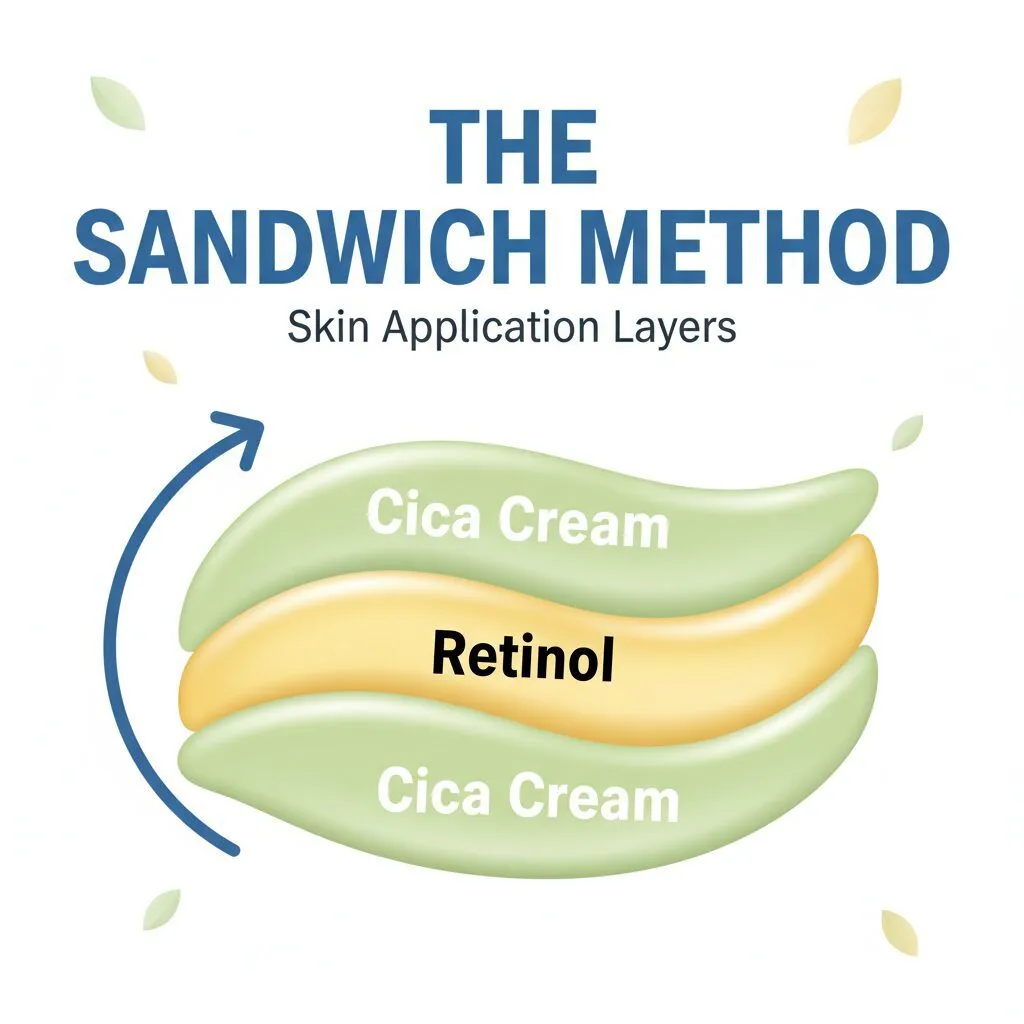
I love using retinol for anti-aging, but it used to burn my sensitive skin. Then I found the Sandwich Method. It changed everything for me.
- Layer 1: Apply a thin layer of cica cream. Let it dry for a minute.
- Layer 2: Apply your retinol or active treatment.
- Layer 3: Apply another layer of cica cream on top.
The first layer acts as a buffer. It slows down the retinol so it doesn’t shock your skin. The top layer locks moisture in. Since I started doing this, I haven’t had any irritation.
Choosing the Right Cream for Your Skin Type
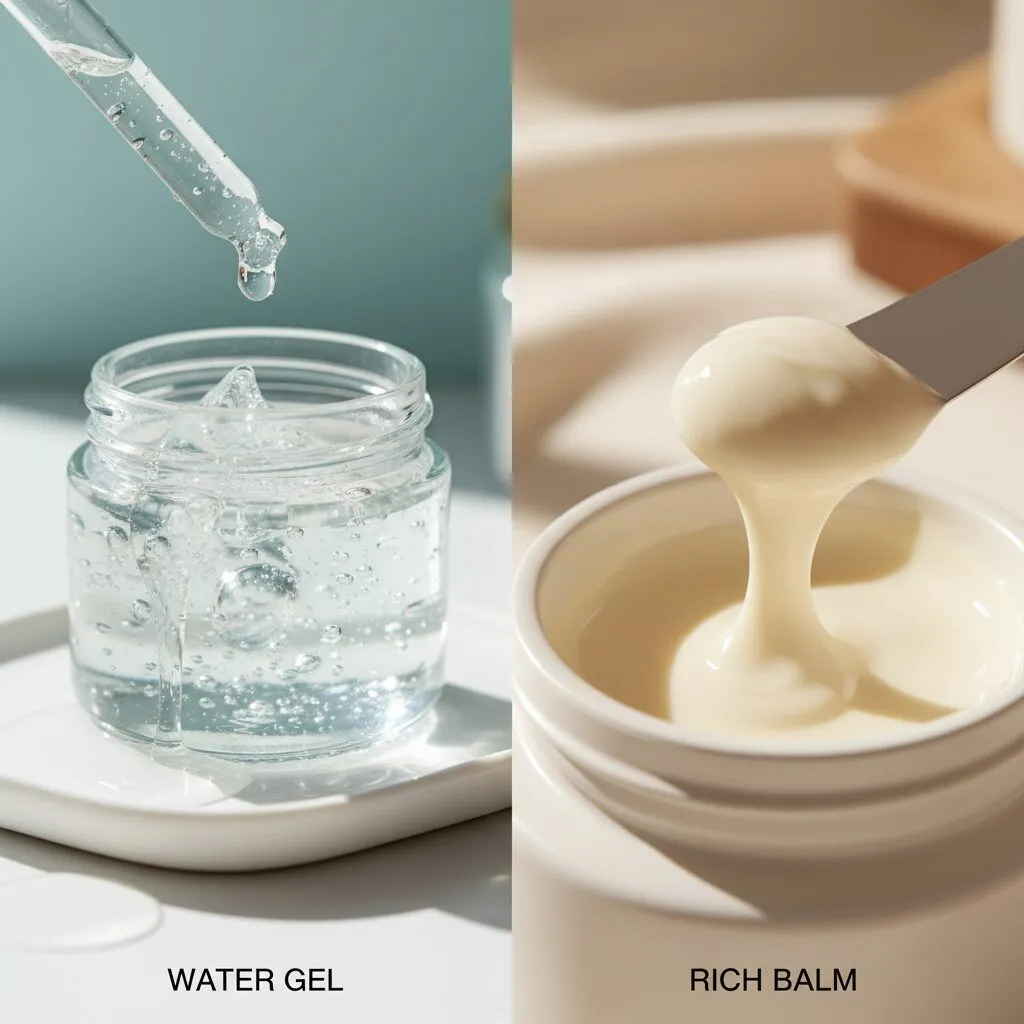
Cica comes in many forms. I made the mistake of buying a heavy balm when I had oily skin. It clogged my pores and caused breakouts. You have to match the texture to your skin type.
For Oily or Acne-Prone Skin
Look for a Cica Gel. These are lightweight and often water-based. They cool the skin down fast without feeling greasy. I look for formulas that also have Niacinamide. It helps control oil while the cica soothes the red marks from old acne.
For Dry or Dehydrated Skin
You need a Cica Balm or Cream. These are thicker. They usually contain ceramides or shea butter. Research shows these thicker creams can stop water loss (TEWL) by up to 20%. This is crucial because dry skin stays red longer.
Safety and Interactions
One of the best things about cica is that it plays nice with almost everything. I was worried it might react with my other products, but it is biologically very stable.
Can you use it with Vitamin C?
Yes. In fact, I recommend it. Vitamin C can sting a little. Putting cica on afterward stops that stinging sensation.
Can you use it with Acids (AHA/BHA)?
Absolutely. Exfoliating acids strip the skin. Cica repairs it. I always use a cica cream on the nights I exfoliate. It prevents me from waking up with raw skin.
When should you not use it?
The only time I’ve seen issues is if the product contains essential oils like lavender or peppermint. These smell nice but can burn sensitive skin. Always check the label for “fragrance-free.”
My Final Thoughts
Dealing with red skin is frustrating. I know the urge to scrub it or cover it up with heavy makeup. But I learned that gentleness wins every time.
According to Future Market Insights, the demand for barrier repair products is skyrocketing. That means more people are realizing what I found out: a healthy barrier means calm skin.
Start with a simple routine. Check your labels for real Madecassoside. Try the patting method. Give it two weeks. I bet you’ll see the same calm, clear results that I did.