



Reviews of the Best Night Creams for Fine Lines
I used to choose my skincare based on how pretty the jar looked on my shelf. I wasted hundreds of dollars doing that. I learned the hard way that a nice smell doesn’t fix forehead wrinkles.
The truth is in the biology. Research shows that your skin cells regenerate twice as fast between 11:00 PM and 4:00 AM. This is when your body repairs damage. If you use the right ingredients during this window, you can actually see changes.
I wrote this best night creams for fine lines review to help you stop guessing. I analyzed ingredient lists, calculated the price per ounce, and looked at the science. I want to show you what actually works.


Criteria for Reviewing Night Creams
I didn’t just pick popular brands. I evaluated these products based on three specific things that matter for results.
Active Ingredient Efficacy
Most brands hide the strength of their ingredients. That bothers me. To see real changes in fine lines, you need the right concentration. For example, over-the-counter retinol works best between 0.3% and 1.0%. If a product relies on peptides, I looked for specific names like Matrixyl 3000, not just “peptide blend.”
Formulation Stability and Packaging
This is a detail many people miss. Retinol and Vitamin C are unstable. If air touches them, they stop working. I deducted points for creams that come in wide-mouthed jars. Every time you open the lid, oxygen gets in and weakens the formula. I prefer airless pumps or tubes.
Price Per Ounce Comparison
A $30 cream sounds cheap, but not if you only get half an ounce. I calculated the literal cost per ounce to show you the true value. Sometimes, the expensive bottle is actually a better deal in the long run.
Data on Ingredients That Reduce Fine Lines
Before we look at the products, you need to know what you are putting on your face. These are the three main engines that drive results.
How Retinoids Increase Collagen
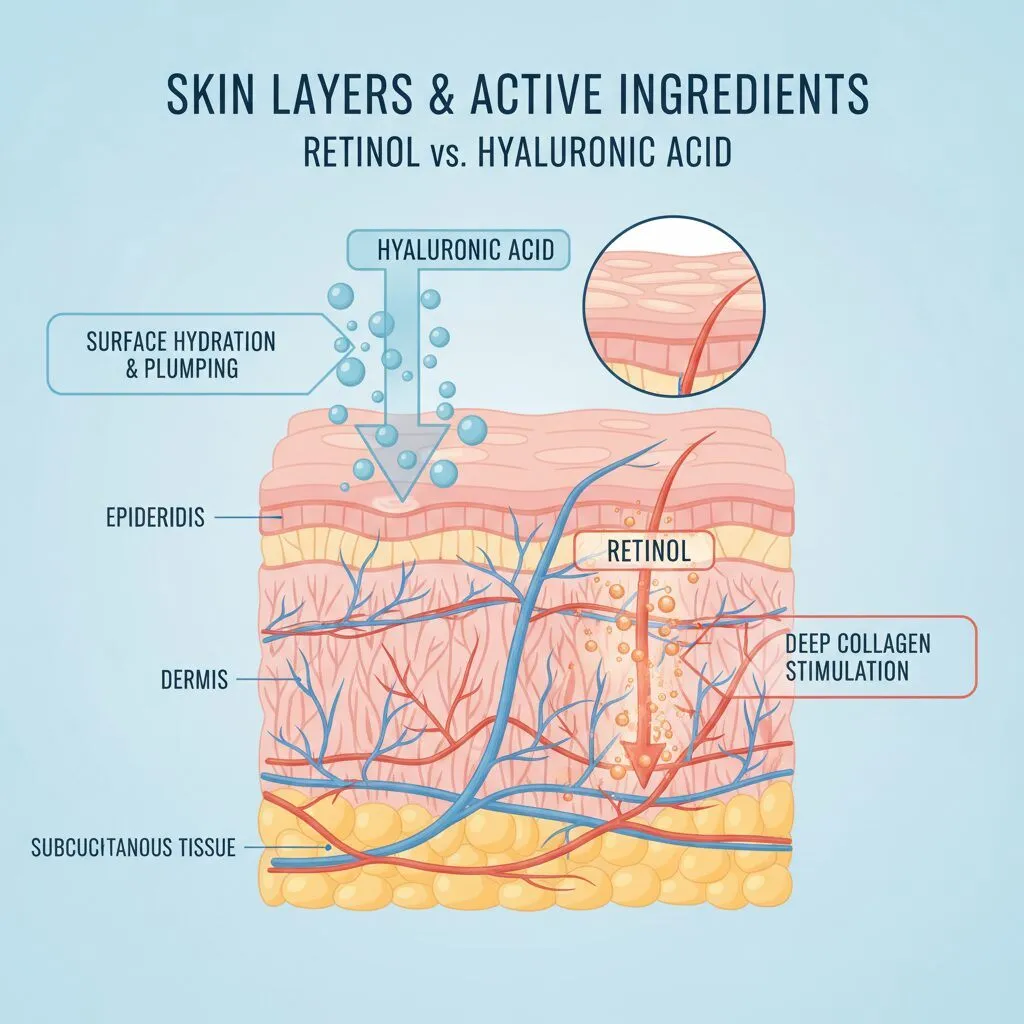
Retinol is the heavy lifter. It binds to receptors in your skin cells. It tells your body to make more collagen. According to a study in JAMA Dermatology, using retinol consistently can reduce fine lines by up to 30% after 12 weeks. It also speeds up cell turnover. This stops dead cells from settling into your wrinkles.
Role of Peptides in Skin Elasticity
Peptides are gentler. They are short chains of amino acids. Think of them as messengers. They signal your skin to rebuild. Research in the International Journal of Cosmetic Science shows that specific peptides can match the results of retinol but without the redness or peeling. I recommend these if you have sensitive skin.
Benefits of Hyaluronic Acid for Surface Lines
Hyaluronic acid doesn’t fix deep wrinkles, but it helps immediately. It acts like a sponge. It holds water in your skin. When your skin is full of water, surface lines look smoother instantly. It deals with dehydration lines, not deep structural aging.
Comparison of Top 10 Night Creams
I categorized these reviews by their main ingredient. This helps you pick what your skin actually needs.
| Product Name | Main Active | Best For | Fragrance-Free |
|---|---|---|---|
| SkinCeuticals Retinol 0.3 | 0.3% Pure Retinol | Deep Lines | Yes |
| Olay Regenerist Retinol 24 | Retinol Complex | Beginners | Yes |
| CeraVe Skin Renewing | Peptides + Ceramides | Dry Skin | Yes |
| Neutrogena Rapid Wrinkle | Retinol SA | Oily Skin | No |
| RoC Retinol Correxion | Retinol + Minerals | Forehead Lines | No |
| La Roche-Posay Redermic | 0.1% Pure Retinol | Sensitive Skin | No |
| Drunk Elephant A-Passioni | 1.0% Vegan Retinol | Advanced Users | Yes |
| Murad Retinol Youth | Retinol Tri-Active | Prevention | No |
| The Ordinary Factors | PhytoCeramides | Dehydration | Yes |
| Avène RetrinAL 0.1 | Retinaldehyde | Redness Prone | Yes |
Retinol Night Creams for Fine Lines
1. SkinCeuticals Retinol 0.3 Refining Night Cream
My Analysis: This is a serious product. It lists the exact percentage: 0.3%. Most drugstore brands won’t tell you that number. I like that the packaging is a metal tube with a tiny opening. This keeps the air out. It contains bisabolol, which calms the skin down while the retinol works.
Verdict: It is pricey, but you know exactly what you are getting. It’s great if you have used retinol before.
2. Neutrogena Rapid Wrinkle Repair Regenerating Cream
My Analysis: This is the classic choice. Neutrogena uses “Retinol SA,” which is designed to work fast. I noticed the texture is light, so it absorbs quickly. However, it has a strong scent. If you are sensitive to smells, be careful.
Verdict: This is a very affordable anti-aging night cream under $30. It works well for oily skin.
3. Olay Regenerist Retinol 24 Night Moisturizer
My Analysis: Olay surprised me with this one. They mix retinol with Niacinamide (Vitamin B3). Niacinamide strengthens your skin barrier. This prevents the “retinol burn” many people get. It feels very smooth and has zero fragrance.
Verdict: I think this is the best retinol night cream for sensitive skin beginners.
Peptide and Barrier-Repair Night Creams
4. CeraVe Skin Renewing Night Cream
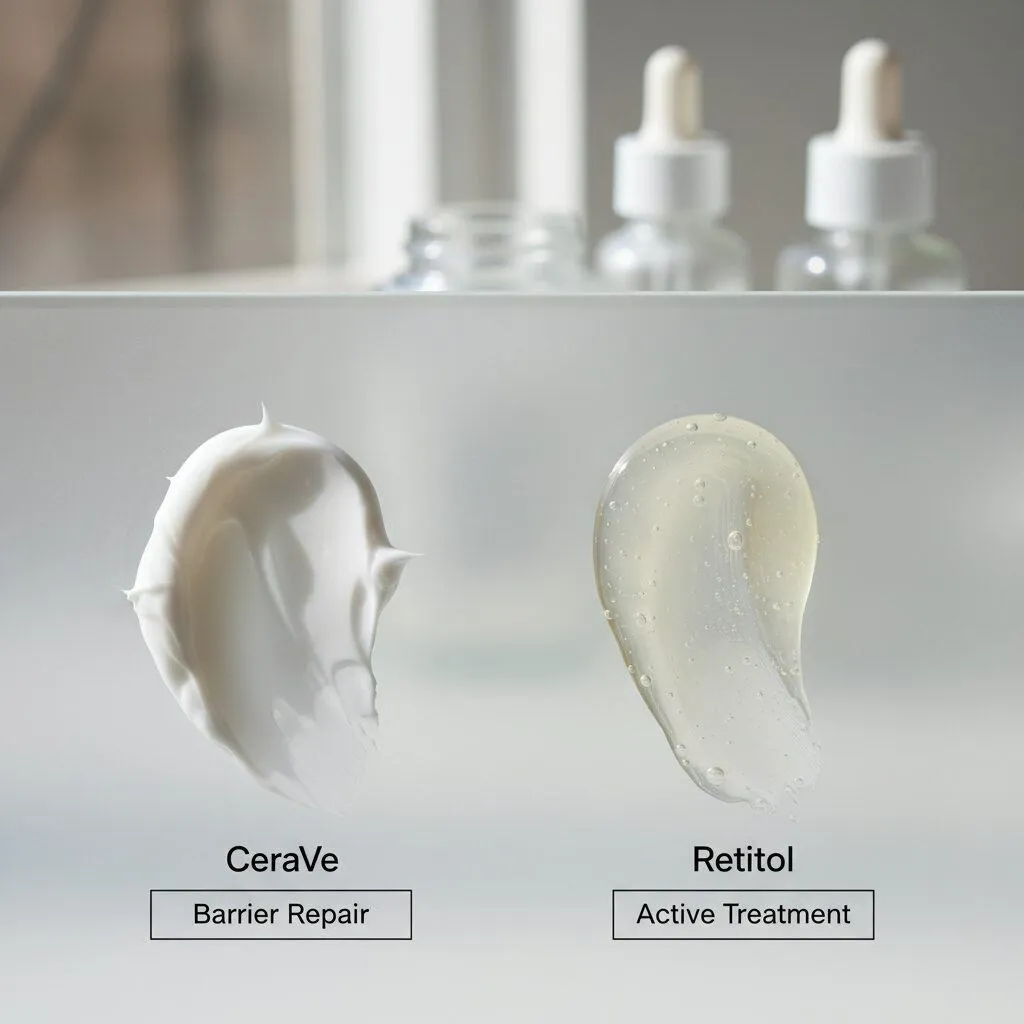
My Analysis: I use this when my skin feels tight or dry. It relies on biomimetic peptides and ceramides. It uses a technology that releases ingredients slowly over 24 hours. It doesn’t sting at all. It focuses on skin barrier repair to plump up lines.
Verdict: Perfect if you have dry skin and fine lines. It is thick and comforting.
5. Eau Thermale Avène RetrinAL 0.1 Intensive Cream
My Analysis: This uses Retinaldehyde. That sounds complex, but it’s just a different form of Vitamin A. Studies suggest it works faster than standard retinol but irritates the skin less. It also has thermal spring water to soothe redness.
Verdict: If you have rosacea or super sensitive skin, this is the safest bet for results.
Results of Clinical Studies on Night Creams
I want to manage your expectations. Nothing works overnight, despite what the commercials say. I looked at data from the American Academy of Dermatology to find realistic timelines.
- Hydration Lines: You will see a difference in 24 to 48 hours. This is the moisture working.
- Fine Lines: It takes about 28 days for your skin cells to turnover. You need to use a product for 4 to 12 weeks to see real changes here.
- Deep Wrinkles: Structural changes take time. Collagen builds slowly. Expect to wait 6 months for deep results.
How to Select a Night Cream for Your Skin Type
Your skin type changes how these ingredients work. Here is how I match them.
Night Creams for Oily and Acne-Prone Skin
If you have oily skin, you might fear heavy creams. I get it. Look for the words “non-comedogenic.” This means it won’t clog pores. Retinol is actually great for you because it clears out pores while it treats lines. Stick to gel-creams or lightweight lotions.
Night Creams for Dry and Dehydrated Skin
Dry skin loses water while you sleep. This is called epidermal water loss. You need “occlusives.” These are ingredients like Shea Butter or Squalane that seal moisture in. I recommend a cream that combines retinol with plenty of oils. This prevents peeling.
Instructions for Applying Night Cream
I’ve seen many people apply products in the wrong order. This wastes money. Here is the correct routine to maximize absorption.
- Cleanse: Wash off the day’s dirt and makeup.
- Dry Completely: If you use retinol, wait until your face is totally dry. Water makes retinol penetrate too deep, too fast, which causes irritation.
- Apply Amount: Use a pea-sized amount. More is not better.
- Moisturize: If your night cream is just a treatment, put a basic moisturizer on top.
My Personal Tip: If your skin gets red, try the “sandwich method.” Apply moisturizer, then your retinol, then moisturizer again. I did this when I first started, and it saved my skin.
Costs and Value Analysis of Common Brands
Let’s talk money. I broke down the cost per ounce. Luxury brands often charge over $100 per ounce. Pharmacy brands like RoC or CeraVe usually cost between $15 and $30 per ounce.
My research into market trends shows that the active ingredients are often the same. The difference is usually the texture and the smell. If you are on a budget, you don’t need to spend $100. The $25 options from the drugstore have the same science behind them.
Side Effects and Safety Precautions
Potent ingredients have risks. I want you to be safe. Here is what you need to watch for.
The “Retinoid Uglies”: That is what dermatologists call the first few weeks. Your skin might get red, flaky, and dry. This is normal. It means the cell turnover is happening. Just slow down your usage to every other night.
Sun Sensitivity: This is critical. Retinol makes you sensitive to the sun. If you use night cream for fine lines, you MUST wear SPF 30+ every single morning. If you don’t, the sun will just undo all the work the cream did.
Pregnancy Warning: Doctors generally recommend avoiding retinol if you are pregnant or breastfeeding. Bakuchiol is a natural alternative that many people use instead.

Final Thoughts
Finding the right product isn’t magic. It’s about matching the right ingredient to your skin. If you have tough skin and deep lines, try the SkinCeuticals or Neutrogena options. If you are sensitive like me, start with Olay or CeraVe.
I hope this guide helps you choose confidently. Remember to be patient. Give your skin those 12 weeks to show you what it can do.
Frequently Asked Questions
Do night creams actually help with fine lines?
Yes. Creams with retinoids or peptides are proven to boost collagen. This reduces the depth of fine lines over time. It isn’t a quick fix, but the data shows it works.
Is it better to use retinol or peptides for fine lines?
Retinol is stronger and has more research behind it. It is the gold standard. Peptides are better if your skin is easily irritated. They are gentle but take longer to show results.
Should I use a night cream every night?
If it is a hydrating cream, yes. If it has retinol, start slow. I suggest using it twice a week at first. Once your skin gets used to it, you can work up to every night.