 Johnson
Hyaluronic Acid: The Hydration Hero Your Skin Needs
Imagine a single molecule that can hold 1,000 times its weight in water. Now imagine it’s already inside your skin, but disappearing every single day.
If you have ever felt like your face is “thirsty” regardless of how much cream you apply, or if you’ve noticed fine lines creeping in earlier than expected, you are likely dealing with a hydration deficit. Enter Hyaluronic Acid (HA)—the gold standard of skincare ingredients.
But here is the catch: most people use it wrong. In my years of analyzing skincare trends, I’ve seen countless people actually dry out their skin with the very product meant to hydrate it. This guide moves beyond the buzzwords to explain molecular weights, the non-negotiable “damp skin” rule, and why your current routine might need a serious update.
Contents
What is Hyaluronic Acid? (Beyond the Hype)
Before we dive into which serum to buy, we need to understand the biology. Hyaluronic acid is not an acid in the exfoliating sense (like glycolic or salicylic acid). It is a naturally occurring glycosaminoglycan—a long chain of sugars found throughout the body’s connective tissue.
Think of it as the body’s internal lubricant. It cushions our joints, keeps our eyes moist, and, most importantly, provides volume and structure to our skin. In the dermis, HA acts like a sponge, soaking up water and holding it there to keep collagen and elastin flexible.
The Numbers Behind the Science
According to a 2024 review in the Journal of Clinical Medicine, over 50% of the total HA content in the human body is found in the skin.
Hyaluronic acid is famously known for its ability to hold up to 1,000 times its weight in water, as noted by the Cleveland Clinic (2024).
Research from the National Library of Medicine (NIH) confirms that HA production drops significantly after age 40, leading to a loss of volume and hydration.
The tragedy of aging is that our natural factories shut down. By the time we hit age 50, we have lost roughly half of the HA we were born with. This is why Sodium Hyaluronate (the salt form of HA often used in skincare) has become ubiquitous. In fact, according to the Grand View Research 2024 report, the global market for this ingredient is projected to reach USD 16.7 billion by 2030.
The Science of Size: Why Molecular Weight Matters
If you take one thing away from this article, let it be this: Size matters.
I cannot stress this enough. If you buy a cheap HA serum, you are likely getting molecules that are too large to penetrate the skin. They sit on top, feel sticky, and wash off. To understand this, we look at “Daltons” (Da), the unit used to measure molecular weight.
1. High Molecular Weight (HMW)
These molecules are large (typically over 1,000 kDa or kilodaltons). They cannot breach the skin barrier. However, they aren’t useless. They form an occlusive layer on the surface, preventing moisture loss and giving you that instant “glass skin” look.
2. Low Molecular Weight (LMW)
These are the deep divers. Molecules under 50 kDa are small enough to pass through the epidermis. A 2023 study published in JOJ Dermatology found that HA molecules under 50 kDa demonstrated a penetration efficiency of 63%–78% into the dermis. This is where the real anti-aging magic happens—triggering collagen synthesis and repairing the extracellular matrix.
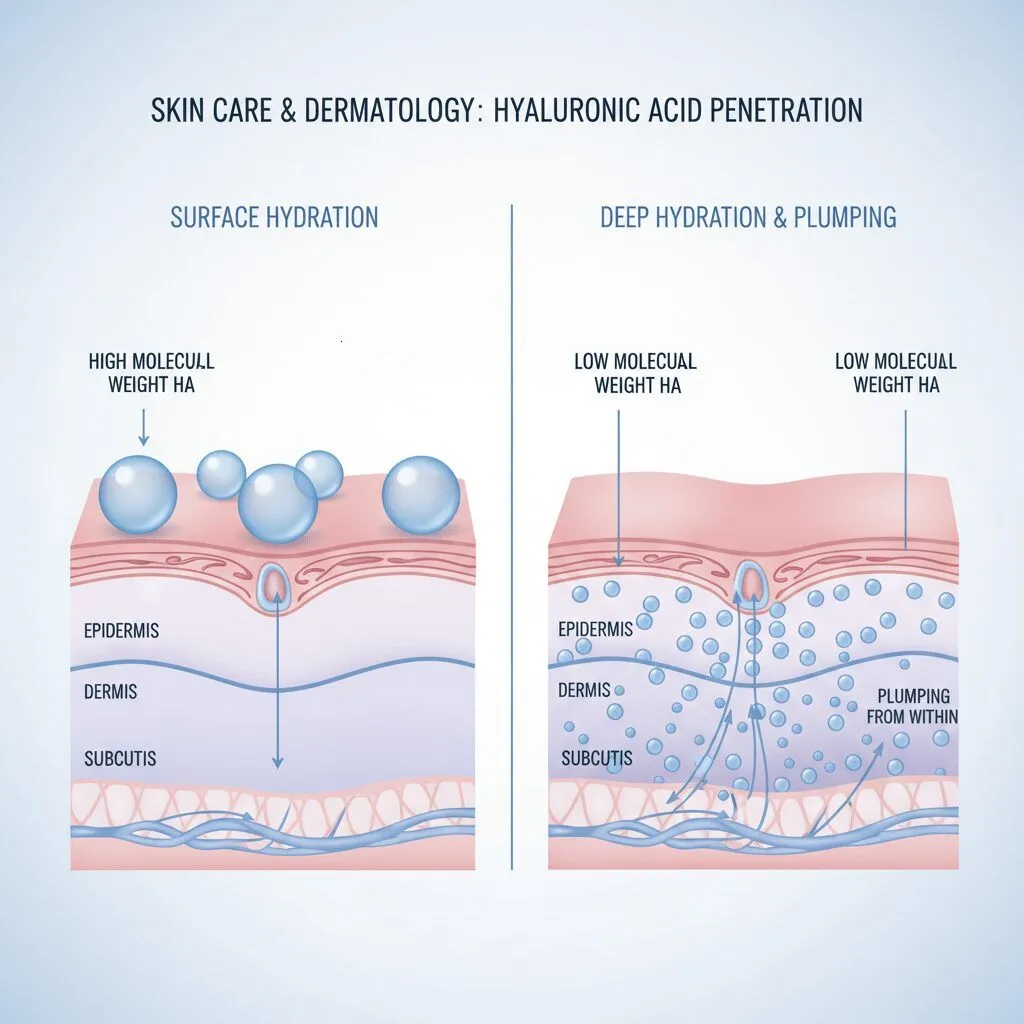
The “Multi-Weight” Strategy: The best hyaluronic acid serums for 2025 utilize a multi-weight formula. They mix high, medium, and low molecular weights to hydrate every layer of your skin. Check your labels for “Hydrolyzed Hyaluronic Acid” (chopped up/small) alongside “Sodium Hyaluronate” (usually larger).
5 Proven Benefits for Your Skin Barrier
Why is everyone from your dermatologist to your TikTok feed obsessed with this ingredient? Because the clinical data backs it up. It’s not just about feeling moisturized; it’s about skin health.
1. Immediate Plumping (The Cinderella Effect)
Because HA draws water into the skin cells, it physically expands them. This smooths out fine lines almost instantly. While this effect is temporary, consistent use maintains it.
2. Reduction of Wrinkle Depth
It’s not just a quick fix. Long-term use has structural benefits. According to a 2024 clinical summary by Renue By Science, participants using multi-weight HA showed a statistically significant reduction in wrinkle depth (-18.8%) after just 28 days.
3. Strengthening the Lipid Barrier
Sensitive skin often suffers from a damaged barrier, leading to Transepidermal Water Loss (TEWL). HA helps repair this defense wall. Dr. Jill Salyards notes in a 2025 Health.com review that one of HA’s best attributes is its ability to strengthen the skin’s natural barrier.
4. Brightness and Texture
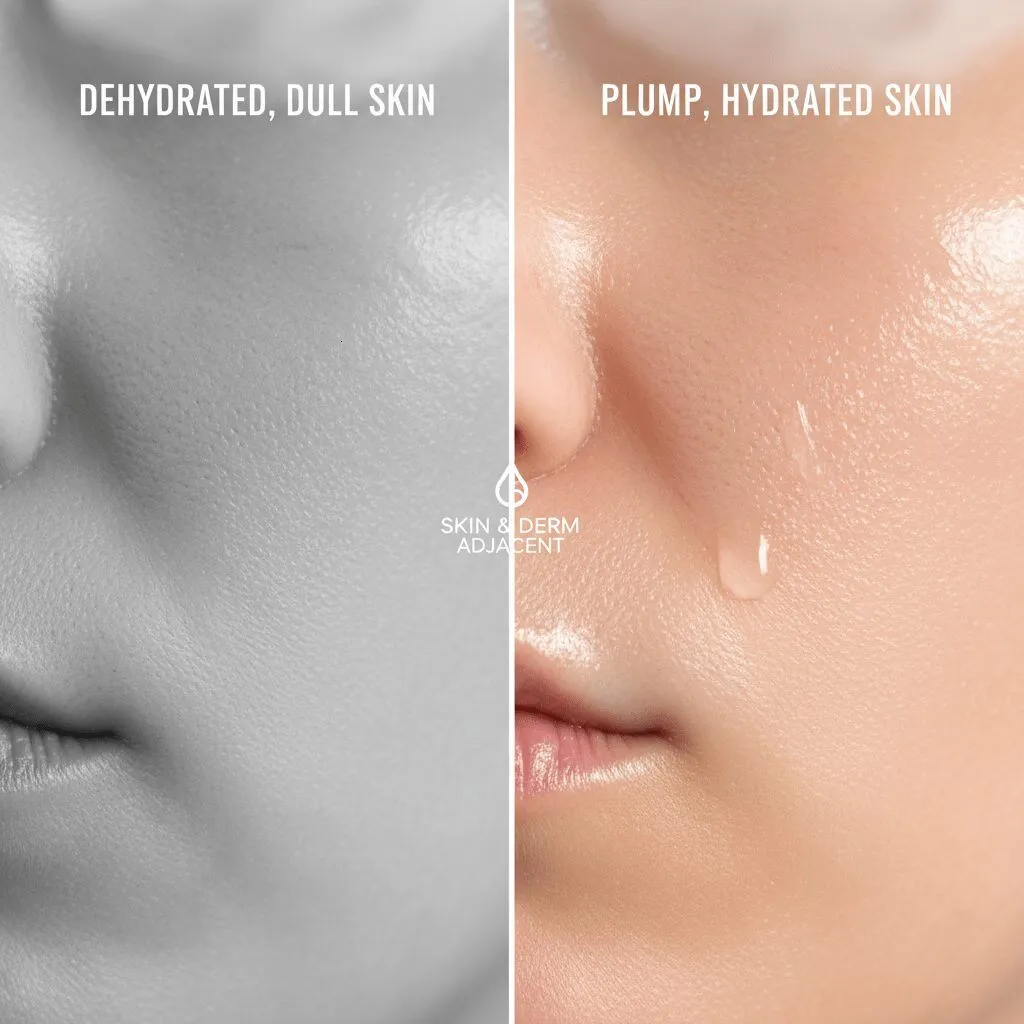
Dehydrated skin looks dull and gray. Hydrated skin reflects light. A 2024 report in Nutraceutical Business Review highlighted that HA usage increased skin brightness by nearly 20% in clinical trials over six weeks.
5. Safe for Acne-Prone Skin
Many moisturizers clog pores, but HA is distinct. It is an aqueous solution, not an oil. Guidelines from the American Academy of Dermatology (AAD) classify hyaluronic acid as non-comedogenic, making it perfectly safe for oily and acne-prone skin types.
The “Damp Skin” Protocol: How to Use It Correctly
I have seen hundreds of people claim HA “dried their skin out.” In almost every case, it was user error. Hyaluronic acid is a humectant—it loves water. If you apply it to a dry face in a dry room, it will pull water from the only source available: the deep layers of your skin. This causes dehydration.
To avoid this, follow the “Damp Skin Sandwich” method:
Wash your face as usual. Instead of rubbing it dry, lightly pat it so it remains slightly wet. Alternatively, use a thermal water mist.
While your skin is still damp, apply 3-4 drops of your serum. Press it in. The HA will bind to the water sitting on your face, pulling it *into* your epidermis.
This is critical. You must apply a moisturizer (cream or oil) over the serum within 60 seconds. This “seals” the hydration in. Without this step, the water will evaporate into the air (TEWL).
The Dry Climate Paradox (Warning)
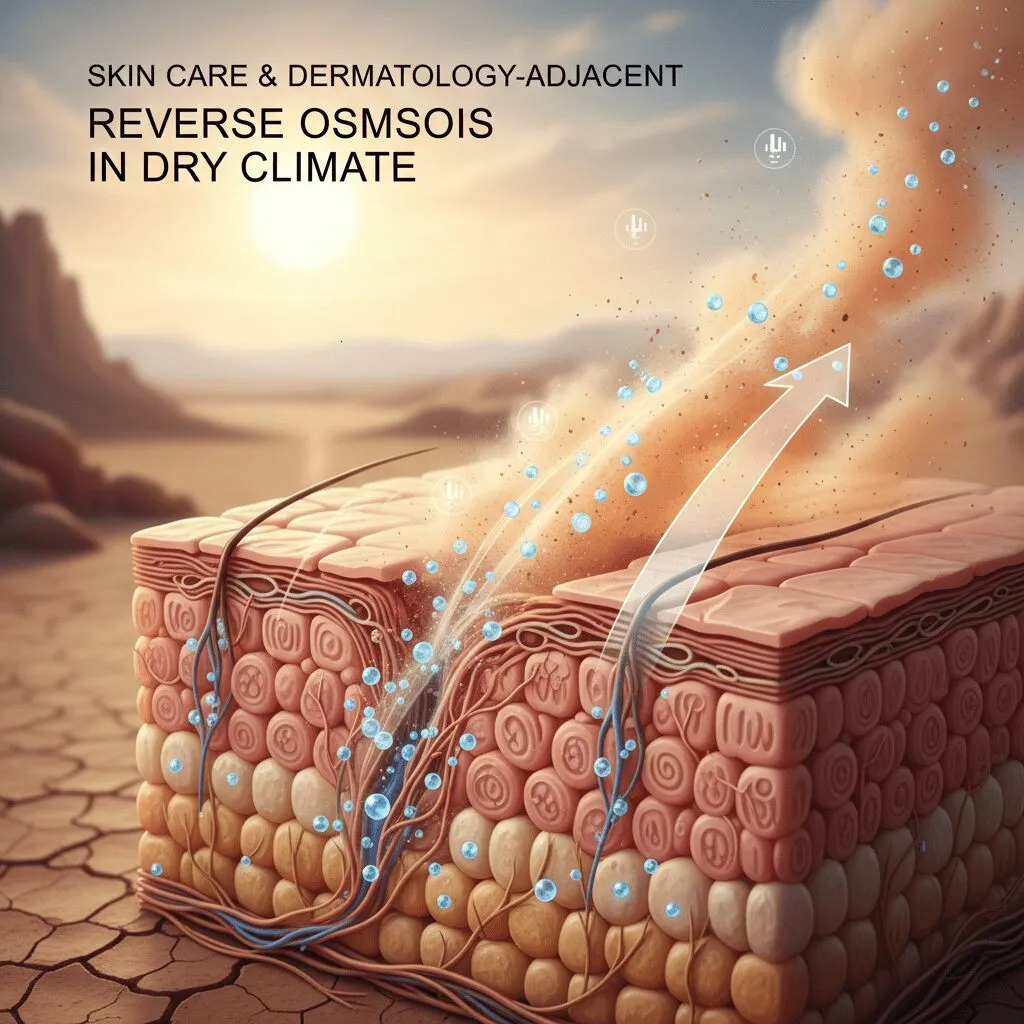
If you live in an area with humidity below 30% (like Arizona, Nevada, or during harsh winters), or if you are on an airplane, Hyaluronic Acid can be tricky. Because the air is drier than your skin, the atmosphere will try to steal moisture from you via reverse osmosis.
If you use HA in these conditions, you must use a heavy occlusive moisturizer on top. If you don’t, the HA will draw moisture from your dermis and release it into the dry air, leaving you looking like a raisin. In these climates, consider swapping HA for Glycerin or Beta-Glucan, or invest in a bedside humidifier.
Hyaluronic Acid vs. The Competition
Is HA really the best, or just the most famous? Let’s look at the comparisons.
HA vs. Glycerin
Glycerin is actually a smaller molecule and penetrates deeper than HMW Hyaluronic Acid. However, Glycerin is sticky and cosmetically inelegant at high concentrations. HA provides that luxurious, silky slip that makes skincare enjoyable. For the best results, look for a serum that contains both.
HA vs. Retinol
These are power partners, not rivals. Retinol speeds up cell turnover but causes dryness. HA hydrates and soothes that dryness. Routine tip: Apply Retinol first (on dry skin) to ensure potency, wait 10 minutes, dampen skin slightly with a mist, and then apply HA.
Frequently Asked Questions
Yes. According to AAD guidelines, it is safe for twice-daily use (Morning and Night). Unlike exfoliating acids, it does not strip the barrier; it supports it.
Order matters. Apply Vitamin C first (it requires a lower pH to absorb). Let it sit for a minute or two, mist your face, and then apply your Hyaluronic Acid serum.
This usually happens if you apply too much product or if the serum contains high amounts of silicones. Use less product and pat it in rather than rubbing vigorously.
Yes. It is one of the few skincare ingredients universally considered safe during pregnancy and breastfeeding, as it is naturally found in the body.
Conclusion: The Verdict on Hydration
Hyaluronic acid is not just a trend; it is a fundamental component of skin health that we unfortunately lose as we age. Whether you are battling winter dryness, trying to soften fine lines, or managing oily, acne-prone skin, this molecule has a place in your routine.
However, the product you choose matters. Look for multi-weight formulations that combine the surface protection of Sodium Hyaluronate with the deep penetration of hydrolyzed HA. And remember the golden rule: Damp skin is non-negotiable.
By understanding the science behind the bottle, you stop wasting money on products that evaporate into thin air and start building a routine that actually changes your skin.
Disclaimer: This article is for informational purposes only and does not constitute medical advice. Always consult with a board-certified dermatologist before starting new potent skincare treatments.