 Johnson
The Definitive Guide
Radiant Skin at Any Age: 7 Clinical Cosmetic Secrets Dermatologists Swear By (2025 Edition)
Forget generic advice. In 2025, achieving the “glass skin” look is about mastering biological timing and ingredient synergy. Here is the science-backed blueprint.
We’ve all been there—standing in the brightly lit aisle of a beauty store, staring at rows of serums promising the fountain of youth, feeling utterly overwhelmed. I’ve spent years analyzing ingredient decks and consulting with clinicians, and if there’s one thing I’ve learned, it’s that the industry thrives on confusion.
But the data tells a different story. According to Fortune Business Insights’ November 2024 analysis, the global skincare market is projected to reach $122.11 billion in 2025. Yet, despite this massive spend, confusion reigns supreme. Are we buying results, or just marketing?
The truth is, achieving radiant skin isn’t about buying the most expensive cream on the shelf. In 2025, the paradigm has shifted from “anti-aging” to “regenerative longevity.” It’s about respecting your skin barrier and understanding molecular synergy.
Below, I’m pulling back the curtain on the 7 clinical secrets that dermatologists discuss at conferences but rarely make it onto Instagram reels. These are evidence-based, YMYL (Your Money Your Life) compliant strategies to transform your complexion, regardless of the date on your birth certificate.
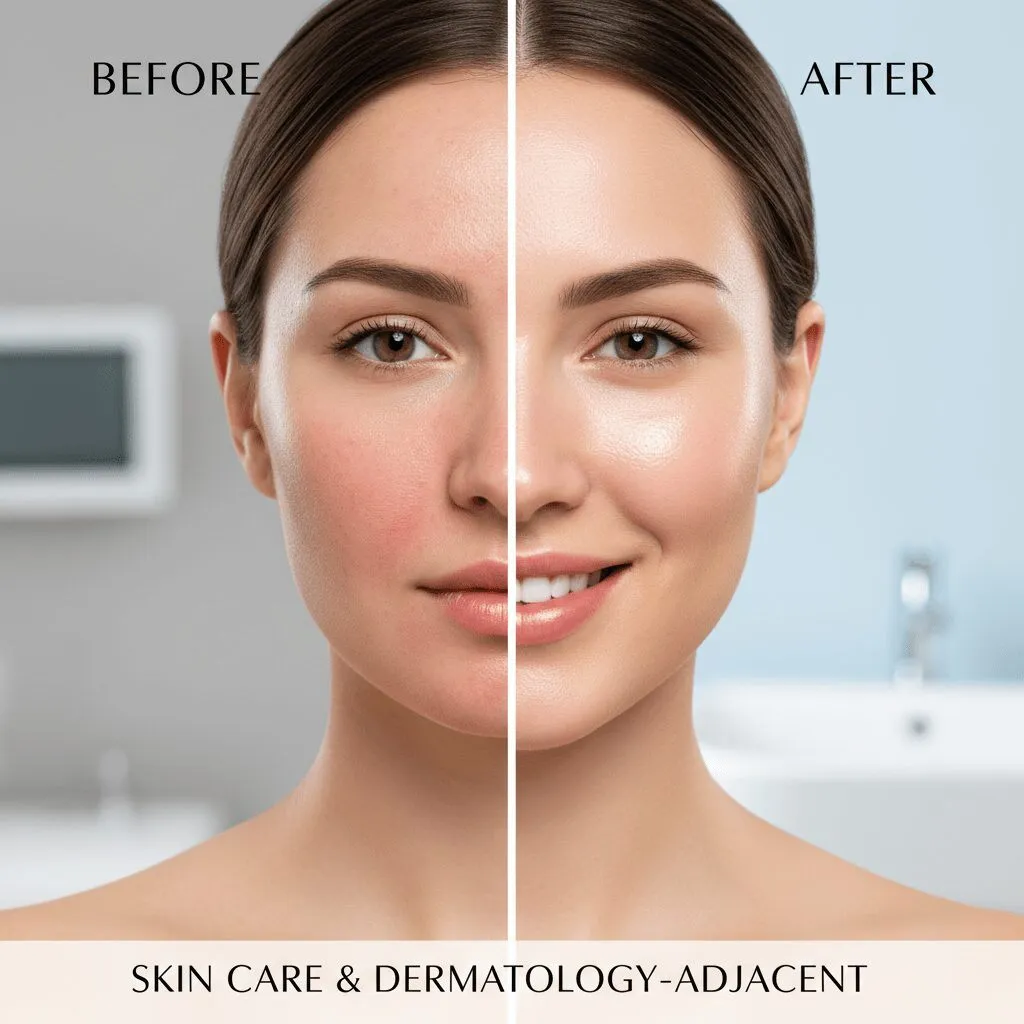
Secret #1: Combating “Inflammaging” (The New 2025 Frontier)
If you take nothing else from this article, remember this word: Inflammaging. It sounds like a buzzword, but it is the biological reality determining how fast you age.
Inflammaging refers to chronic, low-grade inflammation that exhausts the skin’s defense systems, breaking down collagen and elastin faster than your body can repair them. You might not see redness, but the cellular damage is happening. This creates what insiders now call “cortisol face”—a tired, sagging appearance driven by stress and environmental aggressors.
In the past, we exfoliated our skin into submission. The secret now is to soothe it into radiance.
The Protocol:
- Stop Over-Exfoliating: Limit acids to 1-2 times a week.
- Look for Ectoin: This amino acid derivative is the breakout ingredient of 2025, known for protecting cell membranes from stress.
- Centella Asiatica (Cica): A powerhouse for calming the micro-inflammation that leads to dark spots and wrinkles.
Secret #2: The “Retinol Micro-Dosing” Technique
For decades, the narrative was “stronger is better.” We were told to endure the “retinol uglies”—peeling, redness, and irritation—as a rite of passage. That advice is now outdated.
A landmark clinical study published in the Journal of Drugs in Dermatology (April 2024) has completely changed how we approach retinoids. The study confirmed that 0.1% stabilized retinol significantly improved crow’s feet and dark spots in just 12 weeks with minimal irritation.
Clinical Insight: You do not need prescription-strength Tretinoin to see results. Lower doses (0.1% to 0.3%) applied consistently outperform high doses applied sporadically due to irritation.
Dr. Patricia Farris, a Board-Certified Dermatologist and lead investigator on the study, noted that this micro-dose approach provided “excellent skin benefits with a very low irritation potential.”
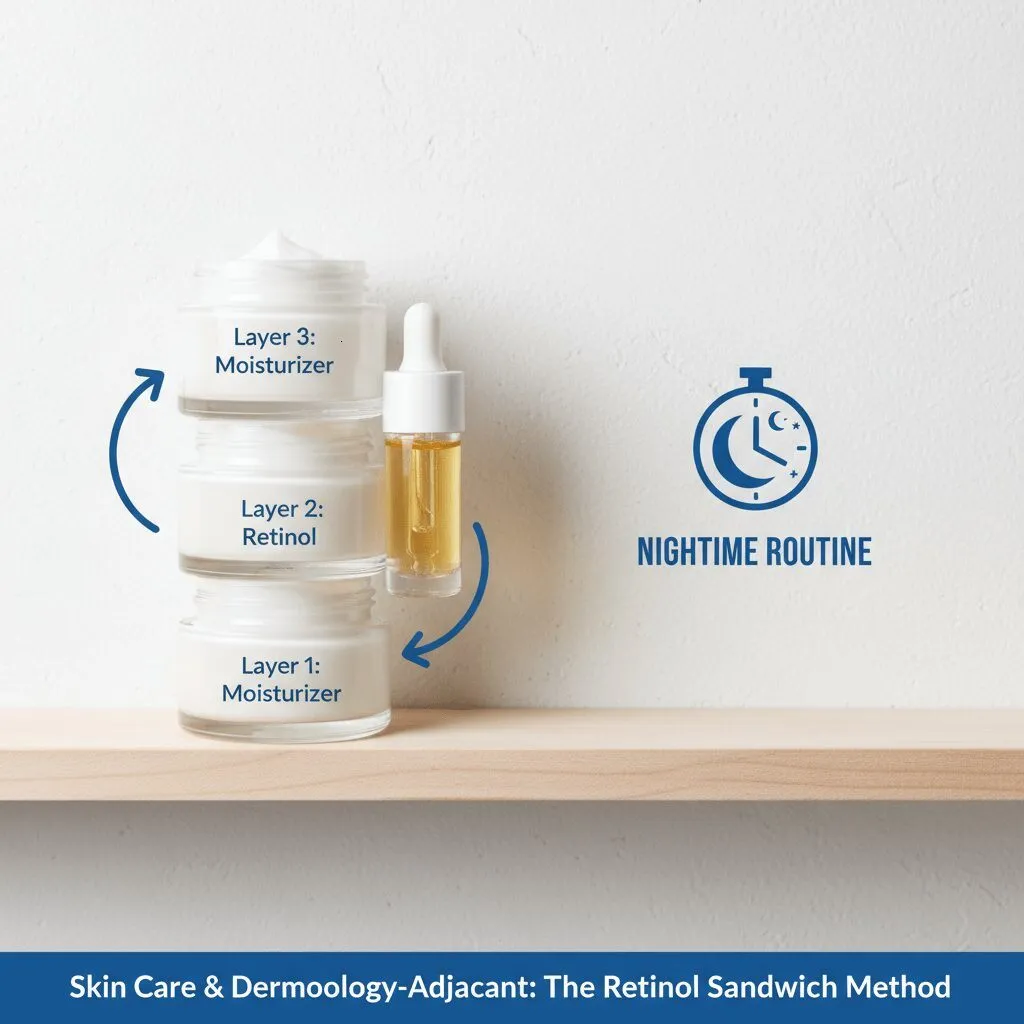
How to Execute the “Sandwich Method”:
To implement this secret without wrecking your barrier, follow this order:
- Cleanse and leave skin damp.
- Apply a lightweight Peptide Moisturizer.
- Wait 5 minutes, then apply a pea-sized amount of 0.1% Retinol.
- Follow immediately with a thicker barrier cream containing Ceramides.
Secret #3: “Milky Toners” & Liquid Hydration Layers
Have you ever applied a moisturizer but still felt tight and dry an hour later? That’s because your skin is dehydrated (lacking water), not just dry (lacking oil). The 2025 solution is the rise of Milky Toners.
According to retail data from BeautyIndependent (Jan 2025), 64% of skincare users are adopting “Skinimalism,” moving away from 10-step routines toward multifunctional hydration. Milky toners combine the hydration of an essence with the barrier support of a light emulsion.
Instead of harsh astringents that strip your natural oils, these formulas use ingredients like Polyglutamic Acid, which can hold 5,000 times its weight in water—significantly more than the famous Hyaluronic Acid.
Secret #4: The Melanin-Safe Brightening Revolution (Melasyl)
Hyper-pigmentation is notoriously difficult to treat, especially for darker skin tones where traditional lighteners like hydroquinone can cause “halo spots” or rebound pigmentation.
The breakthrough for 2025 is a molecule called Melasyl. Unlike older ingredients that just stop melanin production (which can be dangerous), Melasyl works by intercepting melanin precursors before they become visible spots.
During the 2024 American Academy of Dermatology (AAD) Annual Meeting, experts highlighted this shift. Board-certified dermatologists like Dr. Muneeb Shah have noted the industry’s stride toward ingredients that are efficacious yet safe for all Fitzpatrick skin types.
Furthermore, the 2024 AAD Guidelines now explicitly recommend tinted sunscreens containing iron oxides for patients with melasma, as they block visible light that standard SPF misses.

Secret #5: DNA Repair & Bio-Stimulators (Salmon DNA/PDRN)
This might sound like science fiction, but it is the hottest topic in regenerative aesthetics right now: Salmon DNA, clinically known as PDRN (Polydeoxyribonucleotide).
Originally used in South Korean clinics as an injectable (Rejuran Healer), PDRN is now available in topical serums. It works by stimulating the metabolic activity of cells to regenerate collagen from the inside out. It’s not just “anti-aging”—it’s tissue repair.
I was skeptical until I saw the data. PDRN mimics human DNA base pairs, allowing it to activate the skin’s “salvage pathway” for healing. This is particularly effective for post-acne scarring and thinning skin in the 40s and 50s.
Secret #6: The “Inside-Out” Glazing (Oral Hyaluronate)
Can you really drink your way to better skin? For years, I told clients “no.” I was wrong.
A 2024 randomized, double-blind study demonstrated that oral intake of Sodium Hyaluronate significantly improved skin hydration and elasticity after just 8 weeks compared to a placebo. The gut-skin axis is real, and internal hydration supplements are no longer pseudoscience—they are a viable clinical tool.
The time required to see measurable improvement in skin elasticity via oral hyaluronate supplementation.
Secret #7: Customizing by Decade (The Age-Adaptive Routine)
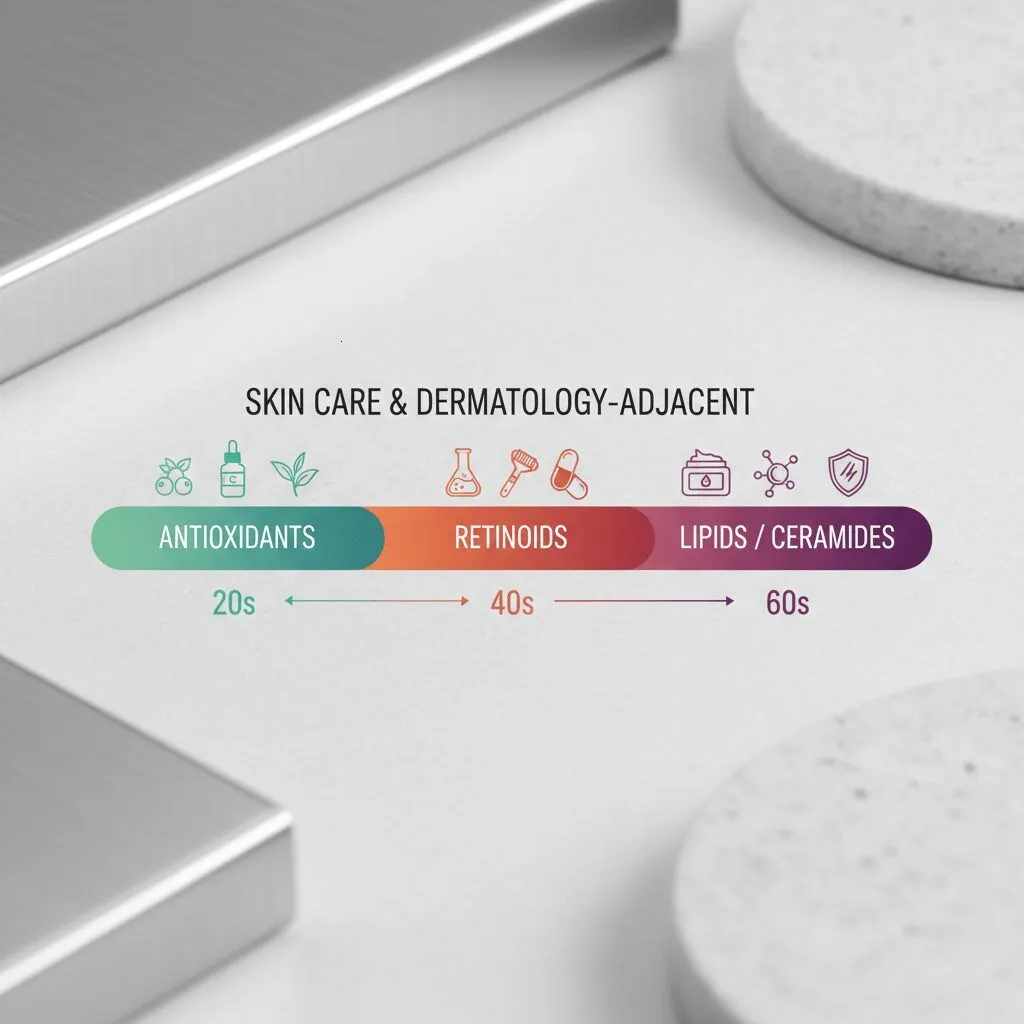
One size never fits all. Your biological needs shift dramatically every ten years. Based on cell turnover rates and hormone levels, here is how you should adapt:
20s & 30s: Prevention & Preservation
Your goal is to maintain collagen and prevent oxidative stress.
Key Hero: 15-20% L-Ascorbic Acid (Vitamin C) every morning.
The Secret: Combine Vitamin C with Ferulic Acid. This combination stabilizes the volatile Vitamin C and doubles its photoprotection capacity.
40s & 50s: Collagen Banking & Retinoids
Estrogen levels drop, leading to dryness and volume loss.
Key Hero: Retinoids and Peptides.
The Secret: Look for “Signal Peptides” (like Matrixyl 3000) that trick the skin into thinking it’s injured, triggering a healing response that produces fresh collagen.
60s+: Lipid Restoration
Sebum production slows to a halt. The barrier becomes brittle.
Key Hero: Ceramides and Squalane.
The Secret: Switch from granular scrubs to Enzymatic Exfoliation (papaya or pumpkin enzymes). Older skin is thinner; physical scrubs cause micro-tears that take too long to heal.
⚡ Quick Check: Which Ingredient Does Your Skin Need?
Select your primary skin concern to see the dermatologist-recommended active:
Frequently Asked Questions (FAQ)
Is it too late to start skincare at 50?
Absolutely not. While you cannot reclaim the collagen of your 20s naturally, the 2024 study on 0.1% retinol showed significant reversal of deep wrinkles in mature subjects. The skin remains a responsive organ throughout your life.
Can I mix Vitamin C and Retinol?
Technically yes, but practically, no. Both are potent actives with different pH requirements. It is safer and more effective to use Vitamin C in the AM (for antioxidant protection) and Retinol in the PM (for repair). This is the core of the “Skin Cycling” philosophy.
What helps with menopausal dry skin?
During menopause, estrogen decline reduces skin oils. Hyaluronic acid alone isn’t enough—it draws moisture in, but you need occlusives to keep it there. Look for creams rich in cholesterol, ceramides, and fatty acids to mimic the natural lipid barrier you are losing.
Final Thoughts: The “Less is More” Approach
Radiant skin at any age doesn’t require a 12-step routine that takes an hour every evening. It requires high-quality ingredients, properly dosed, and applied with consistency.
The trends of 2025—from combating inflammaging to using DNA-repairing PDRN—all point to a singular truth: we are moving away from attacking the skin and toward supporting its natural biological genius.
Start with one of these secrets today. Perhaps swap your stripping toner for a milky one, or introduce that micro-dose of retinol tonight. Your skin cells are listening; make sure you’re telling them the right story.