 Johnson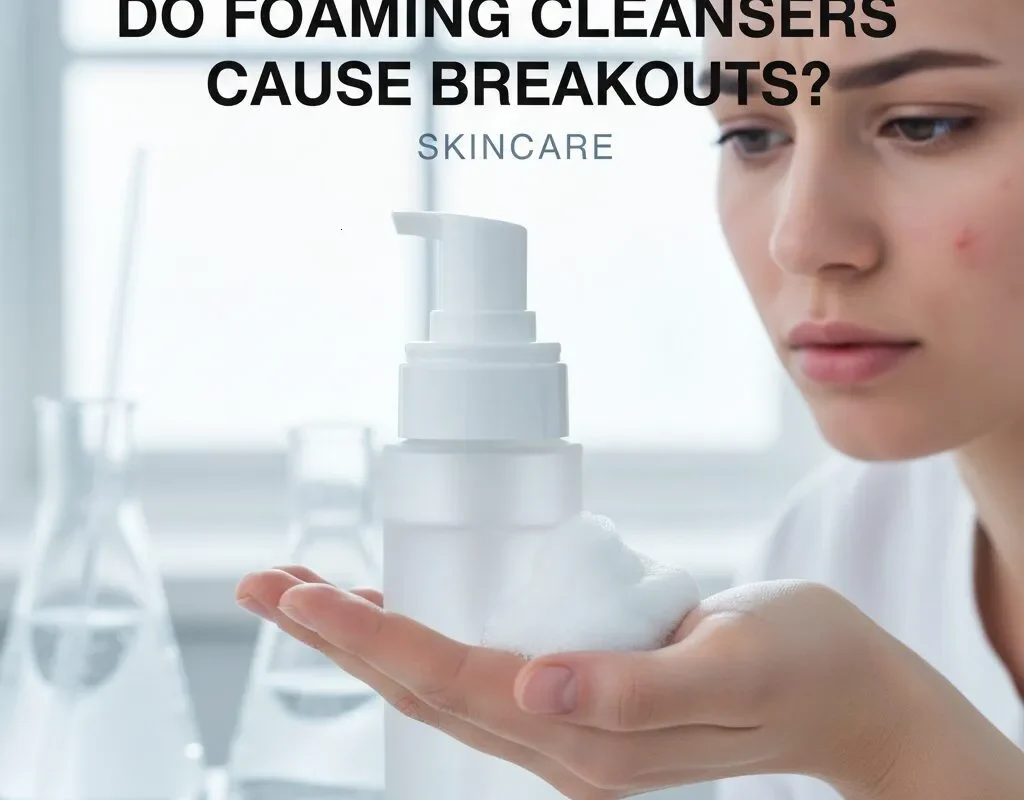
Do Foaming Cleansers Cause Breakouts? The 2025 Science of Surfactants & Acne
We’ve all chased that feeling. You know the one—the “squeaky clean” sensation where your skin feels tight, polished, and completely stripped of oil. For years, I believed that if my face wasn’t stinging slightly after a wash, I wasn’t cleaning it hard enough. I thought I was winning the war against my acne. In reality, I was just destroying my first line of defense.
If you are struggling with persistent breakouts despite a rigorous hygiene routine, you aren’t alone. In fact, over 50 million Americans suffer from acne annually, creating a massive $6 billion market for treatments, according to the American Academy of Dermatology (2024).
But here is the uncomfortable truth: that bottle of foaming face wash on your counter might be the very thing keeping your skin in a cycle of inflammation. But it’s not the foam itself that’s the villain—it’s the chemistry behind the bubbles.
In this guide, we are going to look past the marketing fluff. We will explore the latest 2024-2025 research on the skin microbiome, analyze why “clean” skin shouldn’t squeak, and help you determine if your foaming cleanser is a friend or foe.
of global consumers now report skin sensitivity, up from previous years (Aveeno, 2024).
of the 2024 market is dominated by gel/foam cleansers despite dryness concerns (Mordor Intelligence).
The Foam Myth: Is Lather the Enemy of Clear Skin?
Let’s clear up a common misconception right now: Foam is not inherently bad. Foam is simply air trapped in a liquid, created by ingredients called surfactants (surface active agents).
Think of surfactants as magnets. One end of the molecule loves water (hydrophilic), and the other loves oil (lipophilic). When you massage a cleanser into your face, these molecules arrange themselves into spheres called micelles, trapping oil, dirt, and sebum so they can be rinsed away.
Understanding the “Strip” Factor
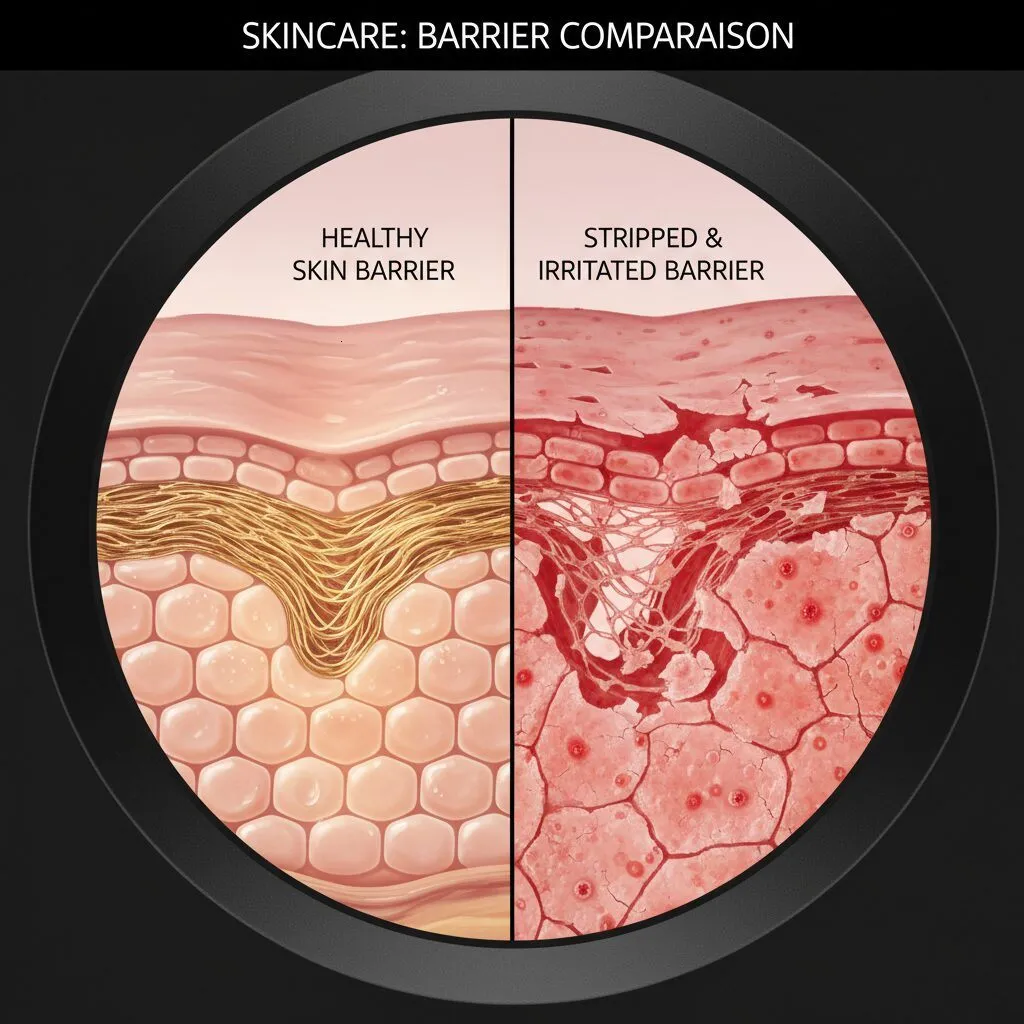
The problem arises when these surfactants are too good at their job. In the past, manufacturers relied heavily on harsh sulfates like Sodium Lauryl Sulfate (SLS). These ingredients don’t distinguish between the excess oil clogging your pores and the essential lipids (ceramides and fatty acids) that hold your skin cells together.
When you strip away those essential lipids, you increase Transepidermal Water Loss (TEWL). Your skin, sensing it is rapidly losing moisture, panics. Its response? It pumps out more oil to compensate. It is a cruel irony: your oil-fighting cleanser creates an oilier face.
— Dr. Joshua Zeichner, Director of Cosmetic Research at Mount Sinai (The Guardian, Aug 2025)
The Science of “Cleanser-Induced” Acne (New 2024 Research)
Until recently, dermatologists focused mostly on dryness. However, groundbreaking research from 2024 has shifted the conversation toward the skin microbiome.
Microbiome Dysbiosis: The Invisible Trigger
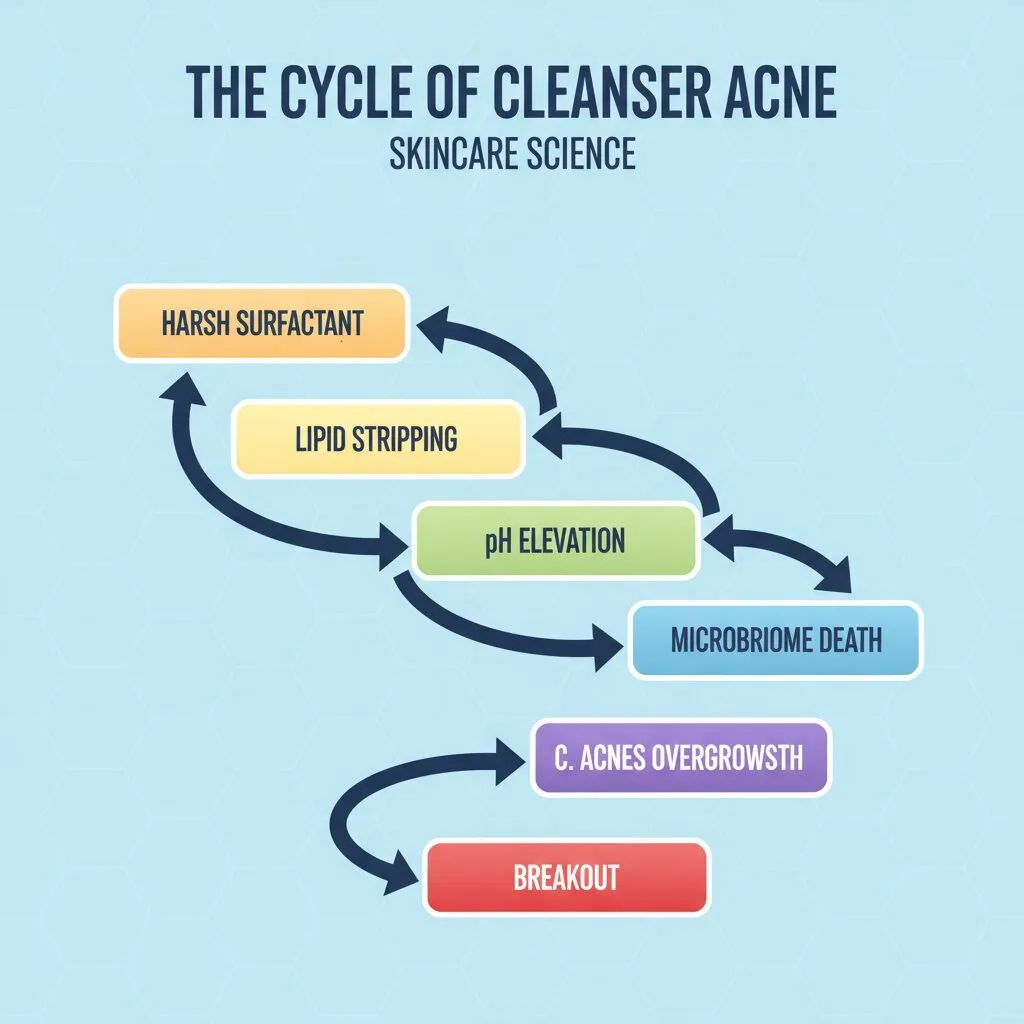
Your skin is a bustling ecosystem of bacteria, fungi, and viruses. In a healthy state, these microbes live in harmony. But harsh foaming cleansers act like a forest fire, scorching the earth.
A pivotal April 2024 study published by the National Institutes of Health (NIH) found that using cleansers with harsh surfactants (specifically SLS) for just three weeks significantly decreased the diversity of prokaryotic microbes on facial skin.
Why does this matter for your breakouts? When you kill off the beneficial bacteria that protect your skin, you leave an open door for Cutibacterium acnes (the bacteria responsible for acne) to overgrow and thrive. This state is called dysbiosis.
The pH Problem
Healthy skin is naturally acidic, sitting at a pH between 4.5 and 5.5. This “acid mantle” is vital for keeping acne bacteria in check. Many traditional foaming cleansers, especially bar soaps and high-lather formulas, have an alkaline pH of 8, 9, or even 10.
According to a 2025 expert review by Max Green Alchemy, high-pH solutions cause the stratum corneum (the outer skin layer) to swell and change lipid rigidity. This swelling traps debris in the pores, leading to—you guessed it—more breakouts. It’s not just the foam; it’s the alkalinity.
Ingredient Watchlist: The Good, The Bad, and The Bubbles
I’ve analyzed hundreds of ingredient labels, and I can tell you that not all bubbles are created equal. If you are acne-prone, you need to become a label detective.
The 2025 “Skip List”
If you see these ingredients in the first five spots of your cleanser’s label, put it back on the shelf.
- Sodium Lauryl Sulfate (SLS): The worst offender. Pure SLS has a comedogenic rating of 5/5, meaning it has a very high probability of clogging pores according to data from Platinum Skincare (2024).
- Sodium Laureth Sulfate (SLES): Slightly gentler than SLS, but still risky for sensitive, acne-prone skin types.
- High-pH Soaps: Sodium Tallowate, Sodium Cocoate (often found in bar soaps).
Modern Alternatives (The “Good” Foam)
Fortunately, cosmetic chemistry has evolved. You can now get a satisfying foam without the barrier damage. Look for these surfactants:
- Sodium Lauroyl Sarcosinate: A mild, biodegradable surfactant that foams well but respects the barrier.
- Coco-Glucoside / Decyl Glucoside: Extremely gentle, sugar-derived cleansing agents often used in baby products.
- Amino Acid Surfactants: Ingredients like Sodium Cocoyl Glycinate.
Furthermore, a very recent study in the Journal of Drugs in Dermatology (Oct 2024) highlighted the efficacy of Polymeric Surfactant Technology. These are large molecule structures that are too big to penetrate the skin barrier. They clean the surface effectively without getting “stuck” in the skin and causing irritation from within.
How to Choose a Foaming Cleanser Without Triggering Breakouts
So, do you have to banish foam forever? Absolutely not. Many people with oily skin—myself included—prefer the refreshing feel of a foam. The key is selection.
The pH Test Protocol
If a brand doesn’t advertise their cleanser as “pH Balanced” (ideally 5.5), assume it isn’t. You can buy cheap litmus strips online to test your current face wash. If the strip turns dark green or blue (pH 8+), it belongs in the trash, not on your face.
Match the Texture to the Acne Type
For Inflammatory Acne (Red, painful cysts):
Avoid intense foaming. Your barrier is already compromised. Opt for a creamy foam or a gel-to-milk cleanser that uses glucoside surfactants.
For Comedonal Acne (Blackheads, whiteheads, oily skin):
A gel-based foaming cleanser is often ideal here. According to Dr. Gretchen Frieling, a board-certified dermatopathologist, “I love foaming formulas for oily types because the formula is noncomedogenic and its ceramides cleanse without stripping” (NYMag, April 2025). Look for salicylic acid included in the formula to help dissolve the sebum while cleansing.
Expert-Approved Cleansing Protocols for 2025
Even the best cleanser can cause breakouts if used incorrectly. Here is how the pros advise washing your face in 2025.
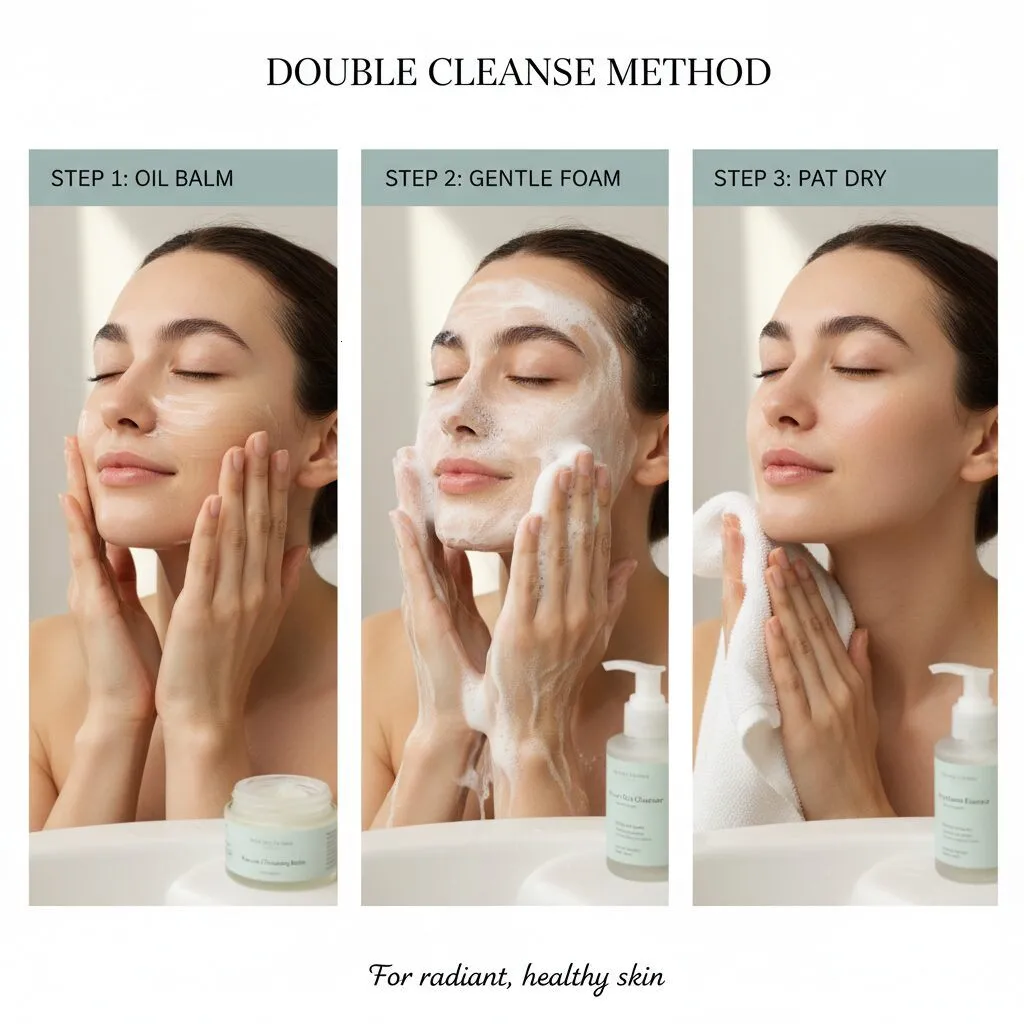
1. The Double Cleanse Strategy
If you wear sunscreen (and you should!) or makeup, a single pass with a foaming cleanser often isn’t enough. Residual sunscreen can clog pores.
Step 1: Use an oil balm or micellar water to break down the SPF/makeup.
Step 2: Follow with your gentle foaming cleanser to remove the residue. This ensures deep cleaning without scrubbing your skin raw.
2. The Hard Water Hack
This is a factor almost everyone overlooks. If you live in an area with hard water, the calcium minerals can interact with the fatty acids in your cleanser (and your natural sebum) to create a waxy “scum” that settles in your pores.
If your water is hard, avoid “soap” based cleansers entirely, as they react most strongly with calcium. Stick to synthetic detergents (syndets) like CeraVe or La Roche-Posay, which are formulated to resist hard water interference. Alternatively, use a toner immediately after washing to remove mineral residue.
FAQ: Foaming Cleansers and Acne
A foaming cleanser itself does not cause pimples, but harsh foaming agents like Sodium Lauryl Sulfate (SLS) can damage the skin barrier and alter the microbiome, leading to inflammation and subsequent breakouts. Gentle, low-pH foaming cleansers are generally safe.
That tight feeling is a sign of “barrier impairment.” It means the cleanser has stripped away your Natural Moisturizing Factors (NMF) and lipids. If you feel this, your cleanser is too strong, and continuing to use it may lead to increased oil production and acne.
Many dermatologists recommend CeraVe Foaming Cleanser because it is free of SLS, contains ceramides to repair the barrier, and includes niacinamide to calm inflammation. It is often a safe choice for hormonal acne sufferers with oily skin.
Indirectly, yes. While surfactants don’t “infect” the skin, high-irritation surfactants can weaken the follicle wall. If a pore is already clogged, inflammation from a harsh cleanser can cause that follicle to rupture deep in the skin, turning a small whitehead into a painful cyst.
Cleansers generally should not cause purging unless they contain active ingredients like salicylic acid or retinoids. If you switch to a basic foaming cleanser and start breaking out, it is likely irritation or a reaction to an ingredient, not purging.
Conclusion: The Era of Gentle Foam
The days of scrubbing our faces into submission are over. The research from 2024 and 2025 is clear: acne is not just a hygiene problem; it is a barrier health problem. By aggressively stripping your skin with high-pH, SLS-laden foaming cleansers, you are essentially evicting your skin’s microscopic bodyguards and inviting acne bacteria to move in.
Do foaming cleansers cause breakouts? They certainly can—if you choose the wrong one. But if you select a modern, pH-balanced formula with gentle surfactants like amino acids or glucosides, you can enjoy that fresh, clean feeling without the backlash.
Your Action Plan:
1. Check your bottle today. If it lists Sodium Lauryl Sulfate, toss it.
2. Test the pH if you are unsure.
3. Listen to your skin—if it squeaks, it’s screaming.
Treat your skin like fine silk, not an old carpet. Your barrier will thank you, and eventually, your clear skin will too.