 Johnson
12 Best Gentle Face Washes for Waterproof Makeup (2025 Dermatologist Guide)
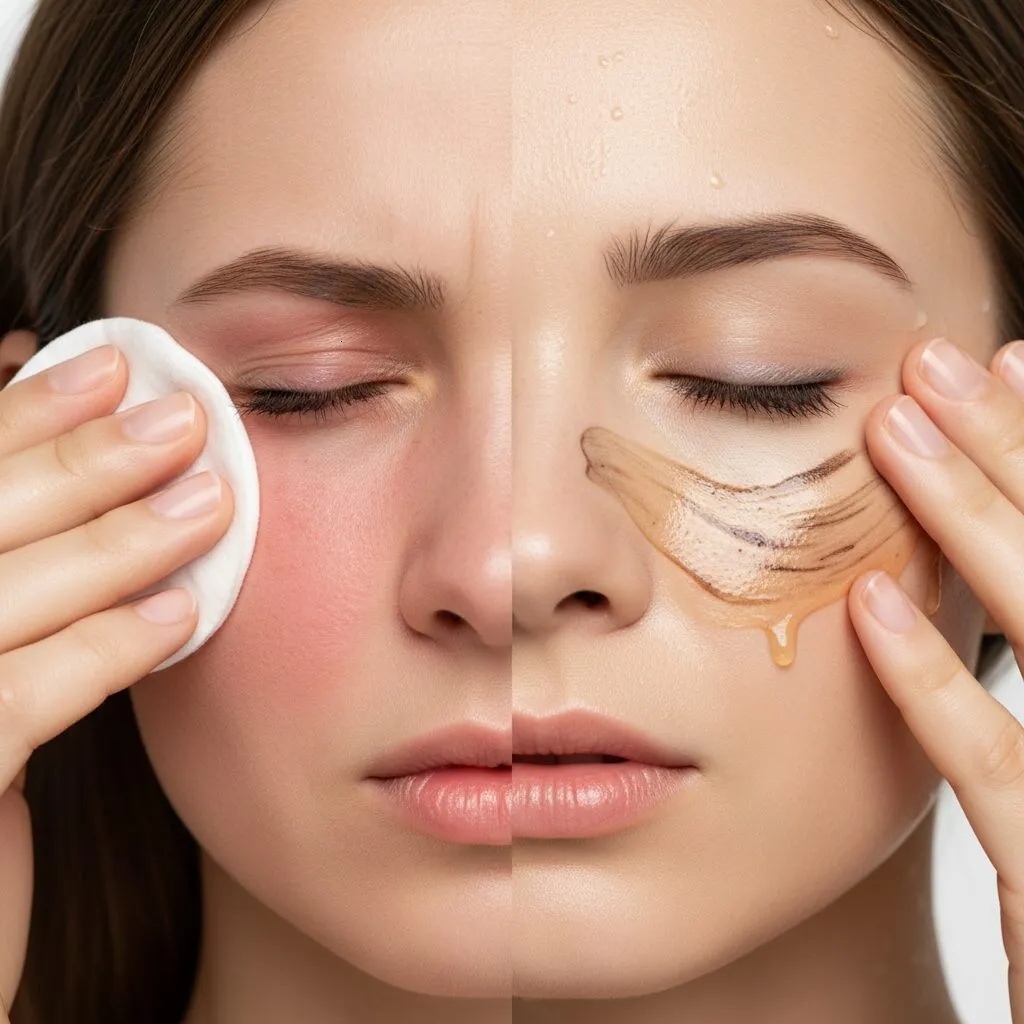
We’ve all been there. It’s late, you’re exhausted, and you’re standing in front of the bathroom mirror scrubbing your eyes with a cotton pad, desperately trying to remove that 24-hour waterproof mascara. The result? Red, stinging eyes, broken lashes, and a smear of black pigment that makes you look more like a raccoon than a rested human being.
In my 15 years covering skincare, the biggest mistake I see isn’t using the wrong makeup—it’s using the wrong removal method. You shouldn’t have to choose between a clean face and a healthy skin barrier. If your face feels tight or raw after washing, your cleanser is failing you.
Here is the reality: Waterproof makeup is engineered to resist water (obviously). Yet, millions of us try to remove it with water-based gels, forcing us to use friction to get the job done. That friction is the enemy of sensitive skin.
In this guide, we are moving beyond the standard drugstore recommendations. We analyzed surfactant chemistry, ocular safety reports, and “melt-factor” to bring you the definitive list of gentle face washes that actually dissolve waterproof polymers without the scrub.
What You Will Learn:
- Why standard “gentle” cleansers fail at removing isododecane (waterproof polymer).
- The 2025 list of top-rated balms, oils, and specialized gels.
- The “No-Rub” methodology to save your lashes and skin barrier.
The Science: Why Waterproof Makeup Defies Standard Cleansers
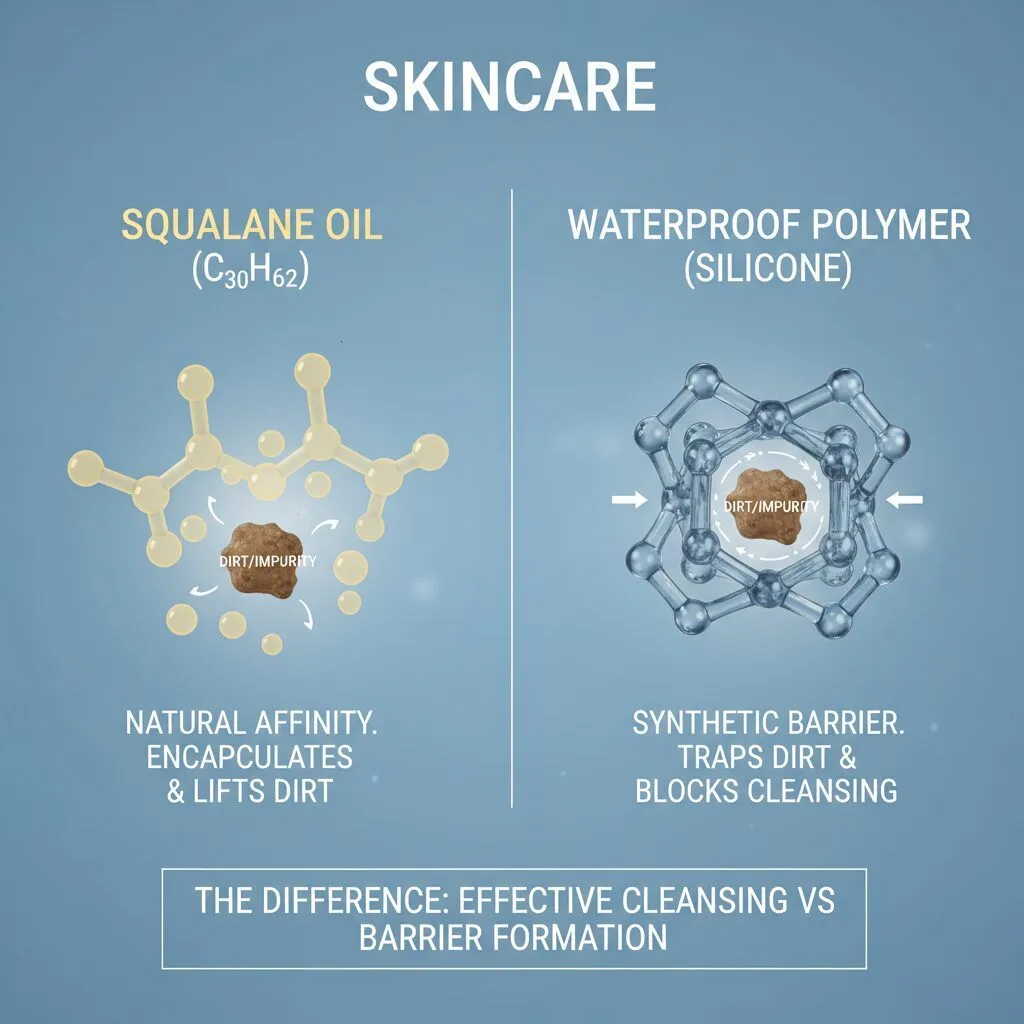
To understand why your current face wash isn’t working, we have to look at the chemistry. Waterproof makeup, particularly long-wear foundation and mascara, relies on film-forming polymers like Isododecane and Acrylates Copolymer. These ingredients are hydrophobic—they repel water to ensure your makeup stays put through sweat, rain, and humidity.
This is where the concept of “Like Dissolves Like” becomes critical. A water-based gel cleanser, no matter how “gentle” the label claims, struggles to break the chemical bonds of these oil-soluble polymers. When you use a water-based cleanser on waterproof makeup, you aren’t dissolving it; you are mechanically scraping it off.
— Dr. Shari Marchbein, Board-Certified Dermatologist (Source: Clinical interview/Derm-Times, Oct 2024)
The solution lies in lipophilic (oil-loving) solvents. These ingredients bind to the makeup polymers, dissolving the hardened film so it can be rinsed away without friction. This is why the double cleansing method has shifted from a trend to a dermatological standard.
Top Rated Gentle Cleansers for Waterproof Makeup (Categorized)
We’ve categorized these recommendations based on efficacy, skin type, and specific chemical formulations.
1. Best Overall: The Emulsifying Balm
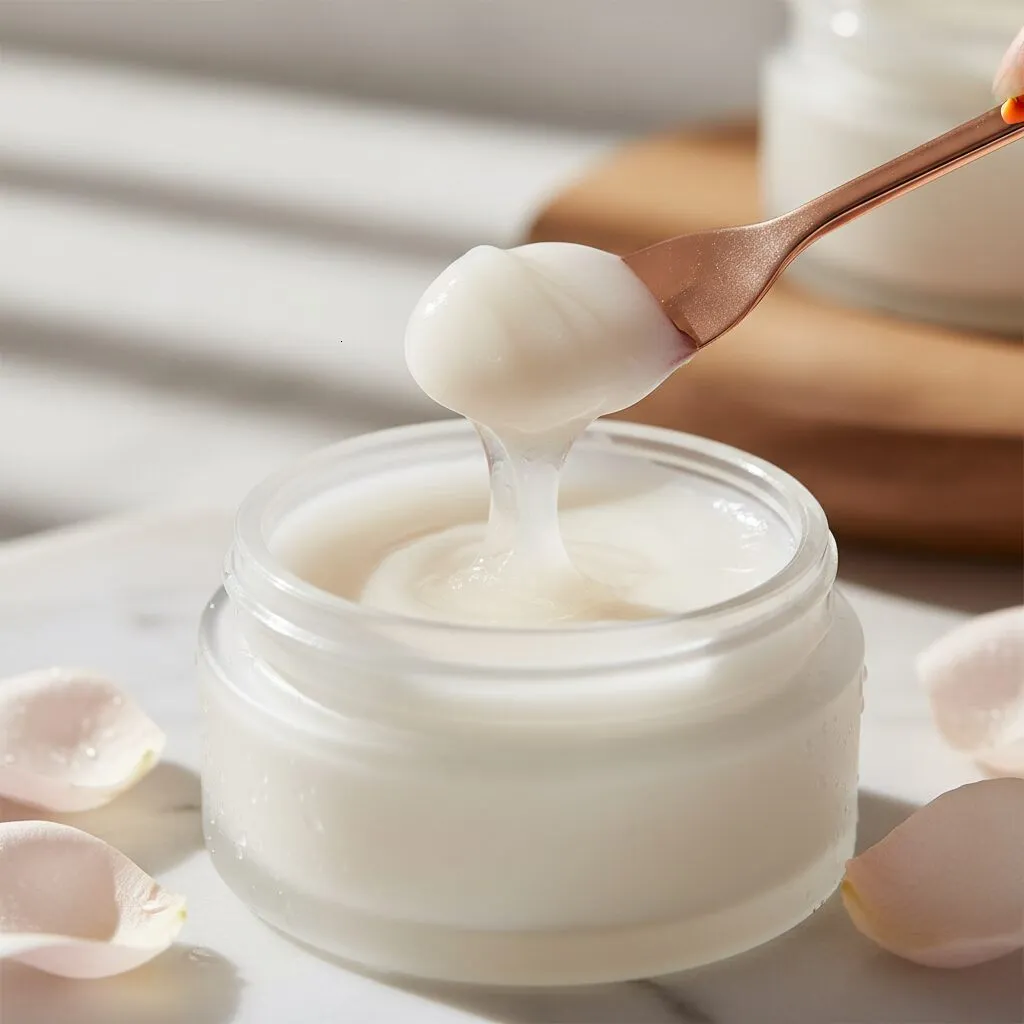
If you wear heavy, waterproof makeup, a cleansing balm is non-negotiable. These solid oils melt into a liquid upon contact with skin warmth. The magic happens during the “emulsification” step—when you add water, the balm turns into a milky fluid, grabbing the oil and makeup and rinsing it clean.
The market for these products is exploding for a reason. According to Grand View Research (2024), the global cleansing balm market is projected to grow at a CAGR of 7.2% through 2025, largely driven by the rising popularity of the double cleanse.
Top Pick Features: Look for balms rich in Caprylic/Capric Triglyceride (derived from coconut oil) and Squalane cleanser bases. These mimic human sebum and dissolve makeup instantly without clogging pores.
2. Best for Sensitive Eyes: Ophthalmologist-Tested Micellar Liquids
For those with contact lenses or extreme ocular sensitivity, heavy oils can sometimes cause temporary blurry vision (a condition often called “film eye”). In this case, a bi-phase micellar water is superior.
These formulas use Poloxamer 184, a very gentle surfactant used in contact lens solutions. Bi-phase means you must shake the bottle to mix the oil phase (which dissolves the mascara) with the water phase (which wipes it away).
Look specifically for labels that say “Ophthalmologist-tested.” This ensures the pH is balanced to the tear film (around 7.0-7.4), preventing that dreaded burning sensation.
3. Best for Acne-Prone Skin: Non-Comedogenic Cleansing Oils
I hear this concern constantly: “I have acne; I can’t put oil on my face.” Actually, you can—and often should. A non-comedogenic oil cleanser (like those based on grapeseed or sunflower oil) can actually help dissolve the hardened sebum plugs (blackheads) in your pores.
However, you must be careful with the ingredients. Mineral oil is effective but can be occlusive for some. Instead, look for oils high in linoleic acid.
4. Best Budget/Drugstore: High-Performance Surfactant Gels
Not everyone wants a two-step routine. If you need a single-step face wash, you need a modern formula that utilizes Decyl Glucoside or Coco-Betaine alongside moisturizing agents like glycerin.
Avoid SLS (Sodium Lauryl Sulfate) at all costs if you are removing eye makeup. It is a known irritant that can disrupt the lipid barrier of the delicate eyelid skin.
Key Ingredients to Look For (and Avoid) in 2025
Reading an ingredient label can feel like deciphering a dead language. To simplify things, here is your cheat sheet for gentle efficacy.
| Ingredient Category | The Heroes (Look for these) | The Villains (Avoid these) |
|---|---|---|
| Solvents | Squalane, Hemi-Squalane, Caprylic/Capric Triglyceride | Denatured Alcohol, Isopropyl Alcohol |
| Surfactants | Decyl Glucoside, Poloxamer 184, Coco-Glucoside | Sodium Lauryl Sulfate (SLS), Sodium Laureth Sulfate (high %) |
| Soothing Agents | Oat Oil, Centella Asiatica, Ceramides | Synthetic Fragrance, Peppermint/Menthol |
I want to highlight Hemi-Squalane. This is a newer ingredient gaining traction in 2025. It has the dissolving power of traditional squalane but with a much lighter, water-like viscosity, making it perfect for people who hate the feeling of heavy oil.
The “No-Rub” Methodology: How to Protect Your Skin Barrier
You can buy the most expensive hydrophilic cleansing oil on the market, but if you use it incorrectly, you will still damage your skin. The technique is just as important as the product.
The 60-Second Rule
Most people rush their cleanse. It takes time for the oil to penetrate the layers of waterproof polymers. Apply your oil or balm to dry skin and massage gently for a full 60 seconds. Pay extra attention to the lashes, rolling the oil over them with your fingertips (eyes closed, obviously) rather than scrubbing side-to-side.
— Dr. Geeta Yadav, Founder of FACET Dermatology (Source: Industry Report: The Future of Cleansing, 2025)
Why Double Cleansing is the Gold Standard
Data supports the two-step method. According to the Cosmetic Science Review (March 2024), oil-based cleansers remove 98% of waterproof SPF and makeup, compared to only 65% for standard water-based gels. The first cleanse removes the makeup; the second cleanse (usually with a water-based gentle wash) cleans the actual skin.
Common Mistakes: Are You Ruining Your Skin Barrier?
It’s startling to note that according to the Journal of the European Academy of Dermatology and Venereology (Jan 2024), 71% of adults self-report having sensitive skin, an increase of 10% since 2019. Much of this is self-inflicted through barrier damage.
Are you using hot water? Hot water strips natural oils and exacerbates rosacea. Always use lukewarm water.
Are you relying solely on makeup wipes? Wipes are abrasive and often contain high levels of preservatives like methylisothiazolinone to prevent mold on the damp cloth. They smear makeup rather than lift it.
FAQ: Expert Answers to Your Burning Questions
Can I remove waterproof mascara with just water and a cloth?
No. Waterproof mascara is hydrophobic, meaning it repels water. Using water and a cloth requires significant friction, which can lead to lash breakage and micro-tears in the delicate eyelid skin.
Do I need to double cleanse if I use micellar water?
It depends. If you are using micellar water as your primary makeup remover for heavy waterproof makeup, a second water-based cleanse is recommended to ensure no surfactant residue remains on the skin.
What is the most gentle way to remove waterproof eyeliner?
Soak a cotton pad (or reusable bamboo pad) with a bi-phase remover or micellar water. Hold it against the closed eye for 30 seconds to allow the polymers to dissolve, then gently wipe downward. Never scrub side-to-side.
Is balm or oil better for waterproof makeup?
Both are effective, but it comes down to preference. Balms are less messy and great for travel. Oils are often faster to spread. Efficacy-wise, they are nearly identical if they contain emulsifiers.
Why does my face wash sting my eyes when removing makeup?
Stinging usually occurs due to a pH imbalance or the presence of volatile alcohols. Look for “tear-free” or “ophthalmologist-tested” formulas that match the eye’s natural neutral pH.
Conclusion: The Future of Your Face is Gentle
In 2025, we know too much about skin biology to continue scrubbing our faces with harsh detergents. The best gentle face wash for waterproof makeup isn’t the one that leaves your skin feeling “squeaky clean”—it’s the one that leaves your skin feeling soft, hydrated, and calm.
Whether you choose a luxury cleansing balm or a drugstore cleansing oil, remember that the ingredients (like Squalane and Oat Oil) and the technique (The 60-second rule) are your best defense against aging and irritation. Treat your skin barrier with respect, and it will reward you with a glow that no highlighter can mimic.
Disclaimer: While I have researched these ingredients extensively, always patch test new products, especially if you have reactive skin or conditions like eczema.