 Johnson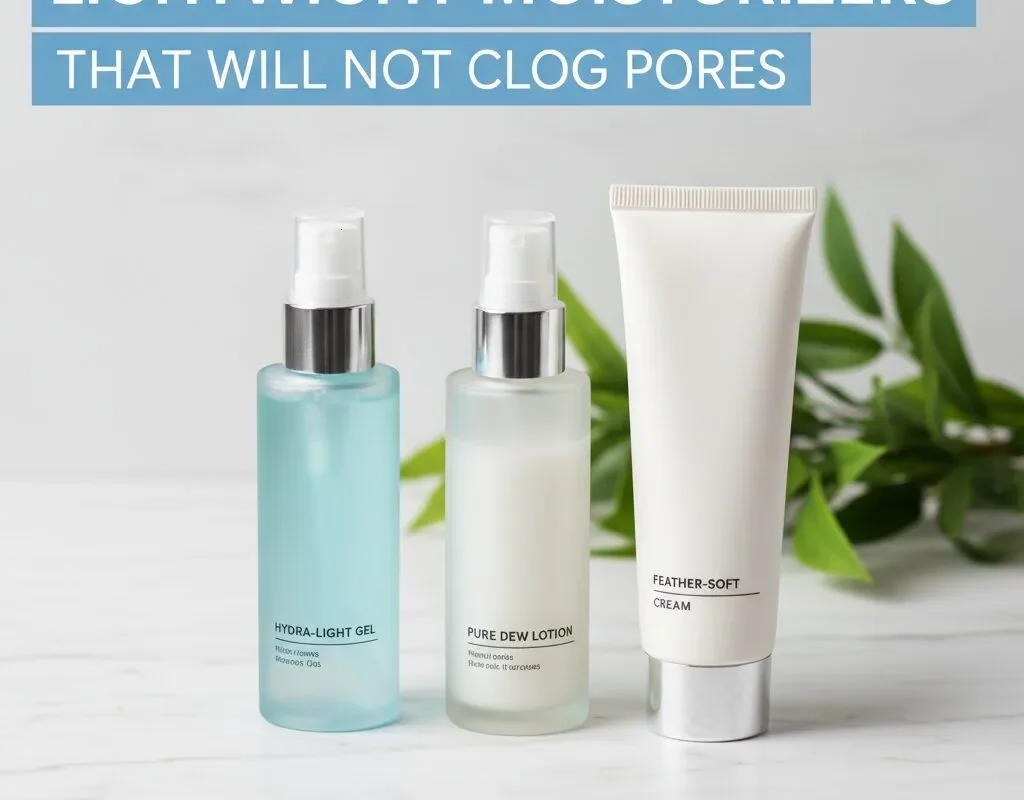
15 Best Lightweight Moisturizers That Will Not Clog Pores: 2025 Dermatologist Guide
There is a specific kind of heartbreak reserved for skincare enthusiasts. It happens when you finally commit to repairing your moisture barrier, only to wake up three days later with a cluster of closed comedones along your jawline. You did everything right—or so you thought. You bought the “sensitive skin” cream. You spent forty dollars. And yet, your pores are screaming.
In my years analyzing skincare formulations, I’ve found that the term “lightweight” is often a marketing buzzword rather than a chemical reality. But the stakes are higher than just a greasy forehead. According to the American Academy of Dermatology (AAD) January 2024 Guidelines, acne now affects over 50 million Americans annually, with a significant 15% of adult women experiencing persistent onset acne well into their 30s.
The problem isn’t always your skin; it’s often the hidden occlusives in products claiming to be safe. In this guide, we aren’t just listing products. We are dissecting the 2025 science of non-comedogenic formulations, exploring the newest biotech ingredients, and providing you with a blueprint to hydration that actually lets your skin breathe.
According to a 2025 report from DataIntelo, the global market for strictly non-comedogenic products is projected to reach $9.6 billion by 2032, driven by a massive shift toward “skin-streaming” and minimalism.
The “Non-Comedogenic” Blueprint: Decoding the Label
Before we dive into the recommendations, we need to clear up a dangerous misconception. “Oil-free” does not mean non-comedogenic. You can have an oil-free product loaded with algae extract or myristyl myristate—ingredients that rate a solid 4 or 5 on the comedogenic scale—that will clog your pores faster than pure jojoba oil ever would.
According to Dr. Marisa Garshick, Board-Certified Dermatologist, in a March 2024 interview with Women’s Health, “Non-comedogenic indicators mean a product won’t clog pores, which can lead to worsening breakouts.” However, she notes that because the FDA doesn’t strictly regulate this term, the consumer must become the expert.
The Comedogenic Scale (0-5) Explained
To navigate the aisle of lightweight moisturizers that will not clog pores, you must understand the scale ingredients are tested on:
- 0-1 (Safe/Non-Clogging): Water, Glycerin, Squalane, Hyaluronic Acid, Aloe Vera.
- 2-3 (Moderately Safe): Avocado Oil, Beeswax (depends on formulation).
- 4-5 (High Risk): Cocoa Butter, Coconut Oil, Wheat Germ Oil, Isopropyl Myristate.
A 2024 report from Global Market Insights shows that while cream-based segments dominated revenue, gel-based moisturizers are the fastest-growing category. Why? Because educated consumers with acne-prone skin are realizing that water-creams offer hydration without the heavy lipid load that triggers congestion.
Why Lightweight Hydration is Critical (Even for Oily Skin)
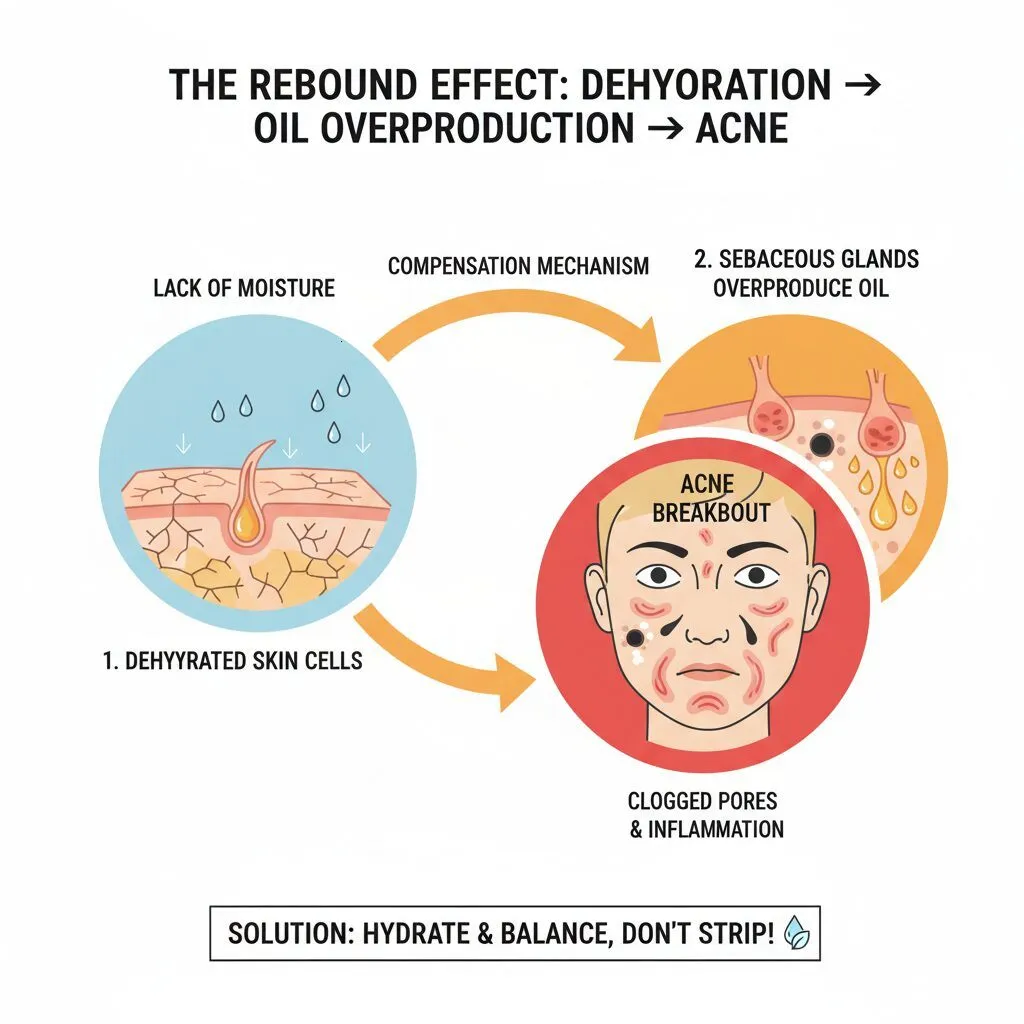
One of the most persistent myths I encounter is that oily or acne-prone skin doesn’t need moisture. The science suggests the exact opposite. When you deprive oily skin of hydration, it enters a panic mode known as “reactive seborrhea.”
Essentially, your skin senses dryness and overcompensates by producing more oil to protect the barrier. It’s a vicious cycle: you dry your skin out to stop the grease, your skin produces more oil, and that excess oil mixes with dead skin cells to form a plug.
— Dr. Andrea L. Zaenglein, Penn State University (Source: MDedge/AAD Conference, March 2024)
This is where the “lightweight” factor becomes non-negotiable. You need humectants (water-grabbers) rather than heavy occlusives (sealants).
Top Rated Lightweight Categories: The 2025 Edit
Based on the latest formulations and ingredient profiles, here is how the top contenders stack up for 2025. These selections prioritize microbiome-friendly preservatives and barrier-supporting ceramides.
1. The Gel-Cream Hybrids (Best for Combo/Acne-Prone)
These formulas use a water-breaking technology. Upon contact with the skin, they transform from a gel into a refreshing liquid, delivering active ingredients like niacinamide deep into the pores without sitting on the surface.
Look for products containing Biosaccharide Gum-1 or Dimethicone (silicones are generally porous and breathable, contrary to popular belief, though individual sensitivity varies).
2. The “Barrier-Repair” Gels (Best for Sensitive Skin)
According to the Cosmoprof CosmoTrends 2025 report (Source), 71% of the global population now self-reports as having sensitive skin. The new wave of lightweight moisturizers focuses on calming inflammation.
Key ingredients here include Centella Asiatica (Cica) and Allantoin. These ingredients have a comedogenic rating of 0 and actively reduce the redness associated with acne lesions.
3. The Matte-Finish Hydrators (Best for Very Oily Skin)
For those living in humid climates or with excessive sebum production, modern chemistry has gifted us with silica-infused moisturizers. Silica absorbs excess oil throughout the day while the glycerin content keeps the skin cells plump.
5 Ingredients to Avoid if You Have Clogged Pores
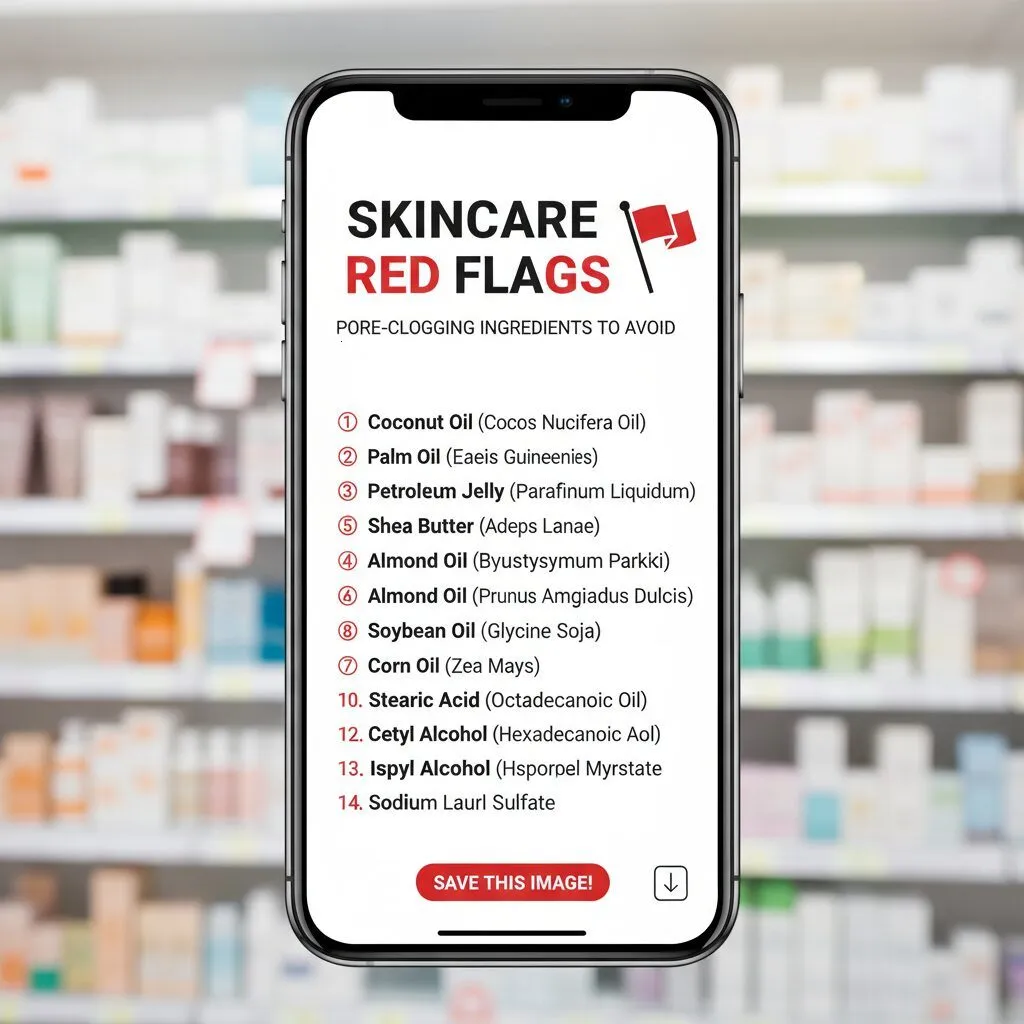
While looking for “lightweight moisturizers that will not clog pores,” you must flip the bottle and scan the INCI list for these offenders. Even if the bottle says “Won’t Clog Pores,” these ingredients beg to differ:
- Coconut Oil (Cocos Nucifera): Rated a 4/5 on the comedogenic scale. It creates a film that traps bacteria.
- Lanolin: A sheep-wool derivative that is highly moisturizing but notorious for clogging acne-prone skin.
- Algae Extract: Often found in high-end anti-aging creams, this is a surprising pore-clogger for many.
- Myristyl Myristate: A fatty acid used to give lotions a “velvety” feel, but highly comedogenic.
- Sodium Lauryl Sulfate (SLS): Often found in cleansers, but sometimes in creams as an emulsifier. It disrupts the skin barrier significantly.
The Microbiome Connection: New Research for 2025
The conversation around acne is shifting from “killing bacteria” to “balancing bacteria.” A fascinating 12-week randomized trial published in the Journal of Cosmetic Dermatology (May 2025) found that topical moisturizers combined with specific oral botanicals reduced non-inflammatory lesions by 52%.
What does this mean for your moisturizer? It means the best lightweight moisturizers in 2025 are now incorporating prebiotics. According to La Roche-Posay’s 2024 Clinical Review, prebiotic thermal water helps rebalance the skin microbiome diversity. When the microbiome is balanced, the skin is less likely to react to P. acnes bacteria with inflammation.
Interactive Tool: Find Your Pore-Safe Match
Expert Routine: Application for Maximum Absorption
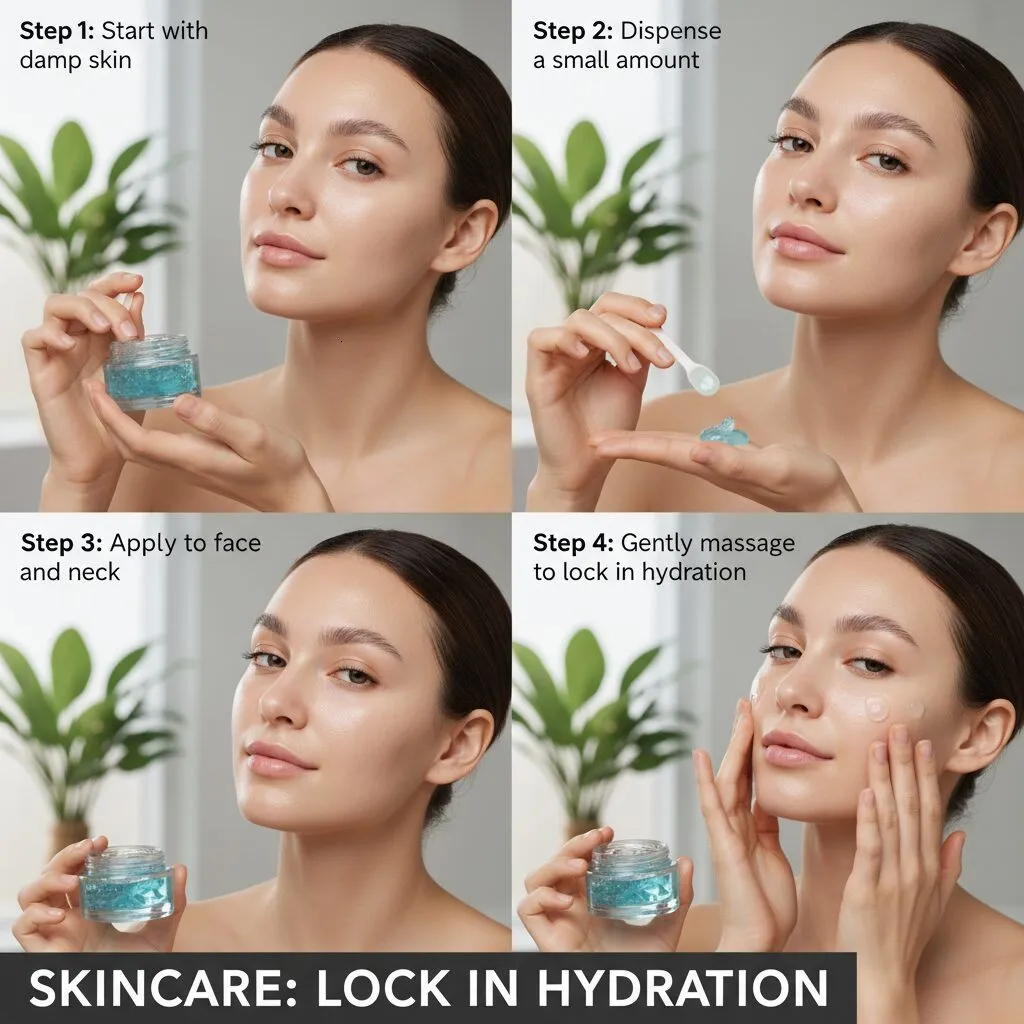
Even the best lightweight moisturizers that will not clog pores can fail if applied incorrectly. The “Damp Skin Rule” is critical. Humectants like Glycerin and Hyaluronic Acid work by binding water to the skin.
According to Christine Adams (NP), writing for Byrdie in October 2025, “Dry skin types can tolerate higher-scaled comedogenic products, but oily types should strictly stick to water-based gels applied immediately after cleansing while the face is still wet.”
Step-by-Step Protocol:
- Cleanse: Use a gentle, pH-balanced cleanser.
- Mist: Do not towel dry completely. Leave skin slightly damp.
- Treat: Apply actives (Salicylic Acid or Retinol). *Wait 60 seconds.*
- Hydrate: Apply a nickel-sized amount of your gel moisturizer.
- Protect: In the morning, follow with an SPF.
FAQ: Clearing Up the Confusion
Can a non-comedogenic moisturizer still cause acne?
Yes. As I mentioned earlier, “non-comedogenic” is not a legally regulated term. Furthermore, you might have a specific sensitivity to a “safe” ingredient. For example, some people break out from Niacinamide (a very common acne-safe ingredient) due to high concentrations.
Is Squalane oil safe for clogged pores?
Yes, generally. According to Dr. Lauren Penzi (FAAD) in a November 2025 report, squalane is a “bio-identical” oil, meaning it mimics the skin’s natural sebum. It typically rates a 0 or 1 on the comedogenic scale, making it one of the few oils safe for congestion-prone skin.
What is the difference between a Gel and a Water Cream?
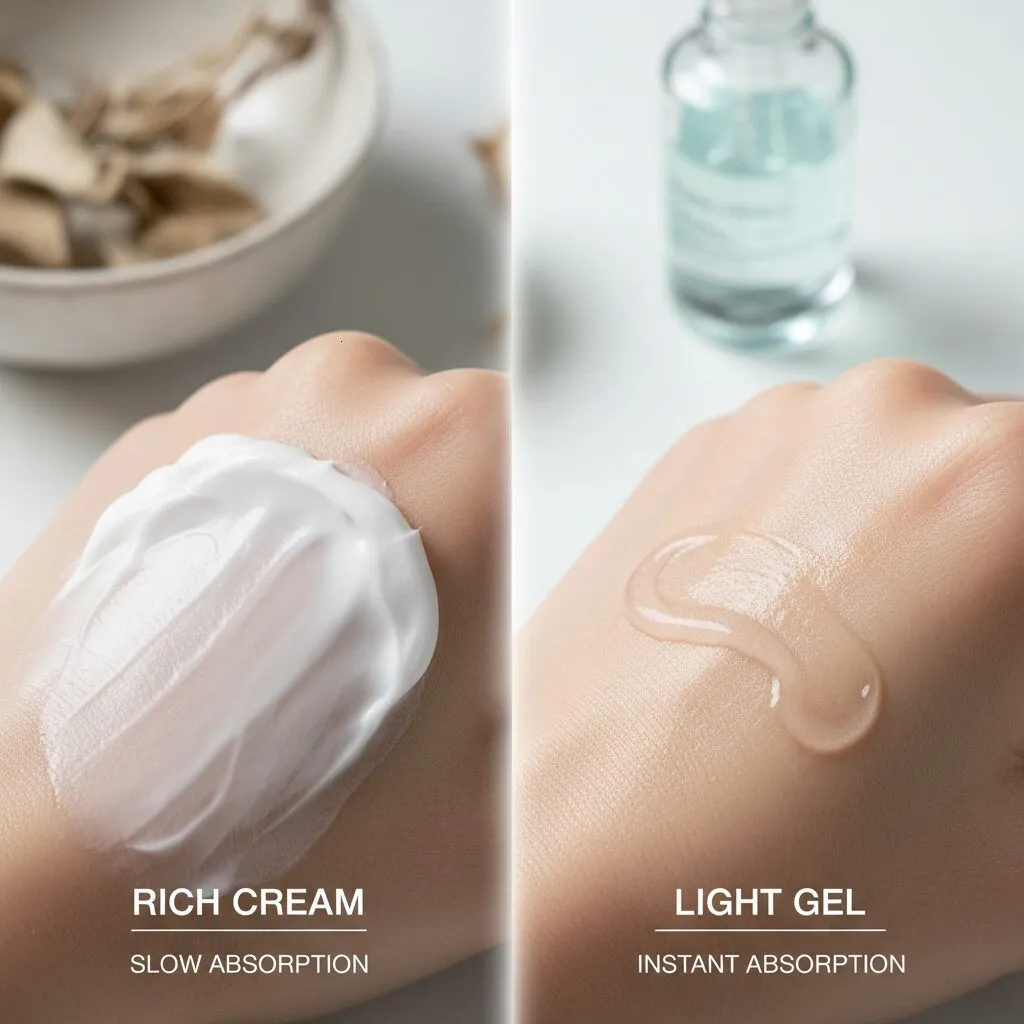
A gel is usually transparent, oil-free, and leaves a matte film. A water-cream (often called a gel-cream) contains a small amount of oils or emollients suspended in a water base. Water creams offer slightly more moisture retention than pure gels, making them better for combination skin.
Conclusion: The 2025 Perspective
Finding lightweight moisturizers that will not clog pores is no longer about just avoiding oil; it’s about embracing sophisticated formulations that support your skin’s microbiome and barrier function. The days of drying out your acne are over.
If you take one thing away from this guide, let it be this: Hydration is the foundation of clear skin. When your barrier is intact, your skin can fight off bacteria naturally. By choosing a product rich in humectants like hyaluronic acid and free from heavy butters, you are giving your skin the tools it needs to heal itself.
Start with a simple, fragrance-free gel moisturizer. Test it for two weeks. Listen to your skin. The journey to clear skin is a marathon, not a sprint, but the right moisturizer makes the run a whole lot smoother.