 Johnson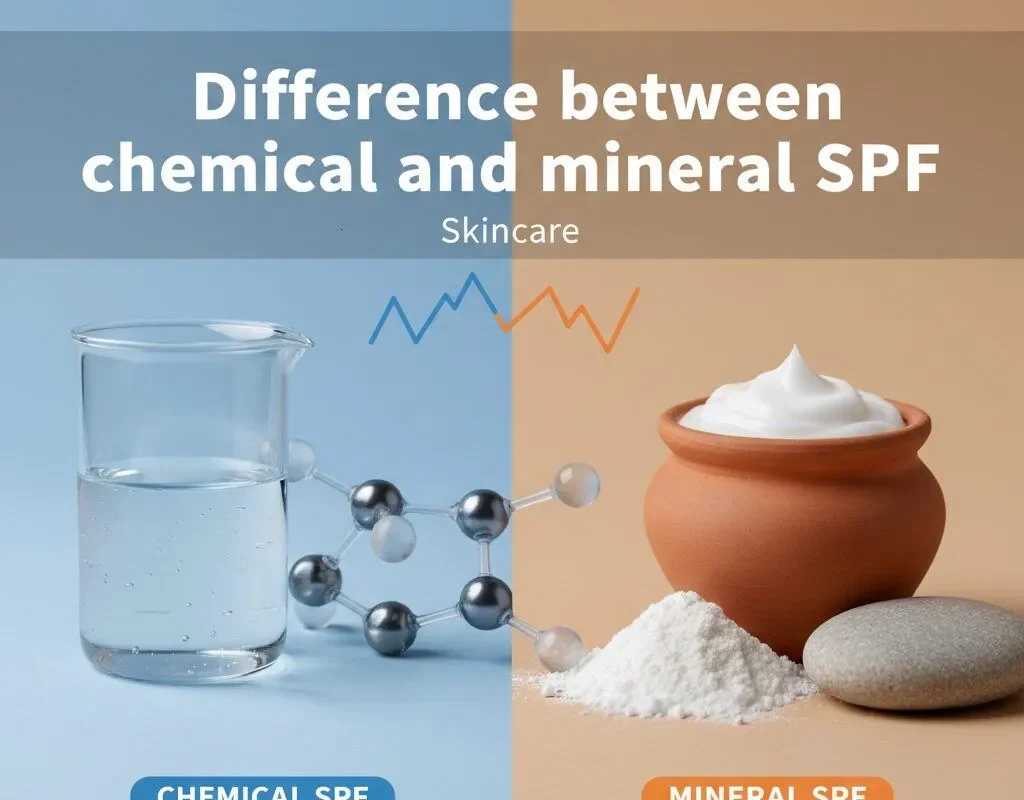
Chemical vs. Mineral Sunscreen: The 2025 Definitive Guide to Safety, Efficacy, and Environment
Let’s be honest: standing in the sunscreen aisle in 2025 is overwhelming. Between “reef-safe” stamps, “clean beauty” promises, and confusing ingredient lists, making a simple choice feels like needing a PhD in chemistry. But with skin cancer rates climbing, the stakes couldn’t be higher.
In fact, according to the Skin Cancer Foundation’s January 2025 report, the estimated number of new melanoma cases diagnosed this year is projected to increase by 5.9% to 212,200. That is a staggering number that keeps me up at night.
For years, I believed the simple narrative: Chemical absorbs, Mineral reflects. Chemical is bad, Mineral is good. But as an industry researcher following the latest FDA updates and lab reports, I can tell you that the “settled science” has shifted dramatically in the last 18 months.
Did you know that a recent 2025 investigation found nearly 30% of “mineral-only” sunscreens actually contain hidden chemical boosters to inflate their SPF rating? Or that the “reflection” theory of mineral sunscreen is largely a myth?
What We Will Cover:
This article cuts through the marketing fluff. We are going to look at the hard data—from the 2025 FDA status updates to the newest independent lab tests—to definitively answer the question: What is the difference between chemical and mineral SPF, and which one will save your skin?
The Core Mechanics: How They (Actually) Protect You
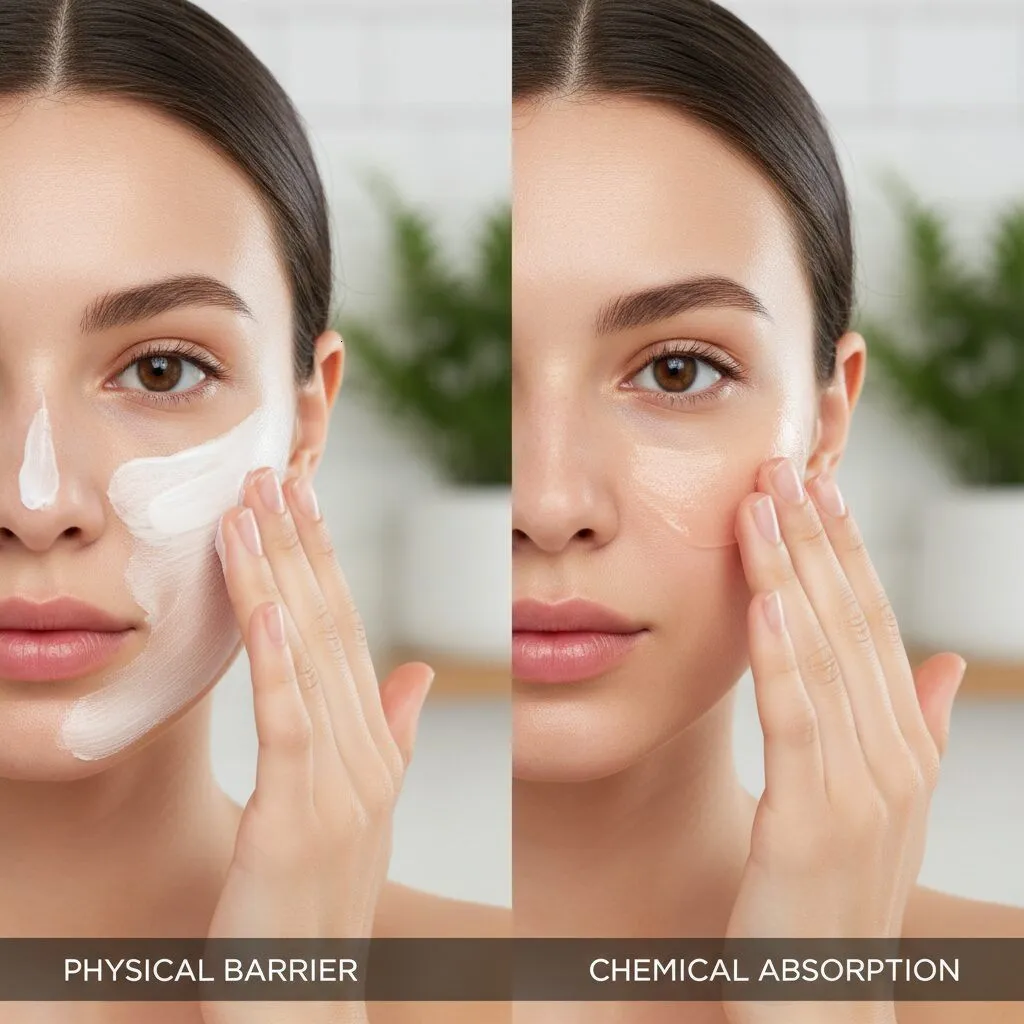
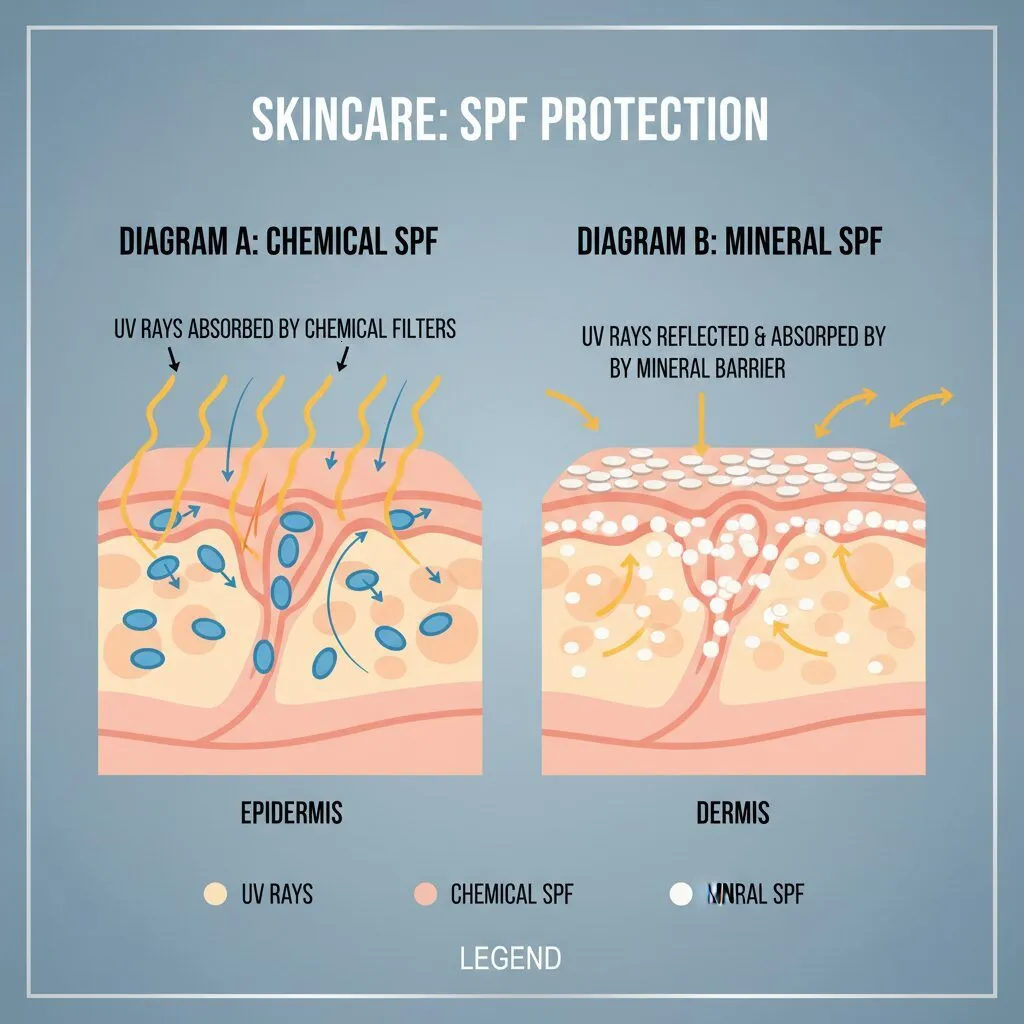
If you walked into a dermatologist’s office five years ago, you likely heard that mineral sunscreens work like a shield (bouncing rays off) and chemical sunscreens work like a sponge. While that’s a helpful analogy, recent studies have proven it’s technically incorrect.
Chemical SPF: The UV Sponge
Chemical sunscreens (organic filters) work by penetrating the top layer of your skin. These carbon-based compounds, such as oxybenzone, avobenzone, and octinoxate, absorb UV radiation before it can damage your DNA. Through a chemical reaction, they convert that UV energy into a harmless amount of heat, which then dissipates from the skin.
This process is elegant and allows for formulas that are thin, invisible, and water-resistant. However, because the reaction happens within the skin layers, it creates a higher potential for irritation.
Mineral SPF: The Misunderstood Mirror
Here is where the science has evolved. We used to think zinc oxide and titanium dioxide acted purely as a physical mirror. However, a December 2025 study referenced by UNSW Sydney revealed that mineral filters actually function remarkably like chemical ones. They absorb about 95% of UV rays and convert them into heat.
They only reflect or scatter the remaining 5%. Why does this matter? It means that the “physical block” marketing is slightly misleading. However, the key difference remains: mineral particles sit on top of the skin rather than absorbing into it, which is the crucial factor for safety and systemic absorption.
Ingredient Deep Dive: What’s in Your Bottle?
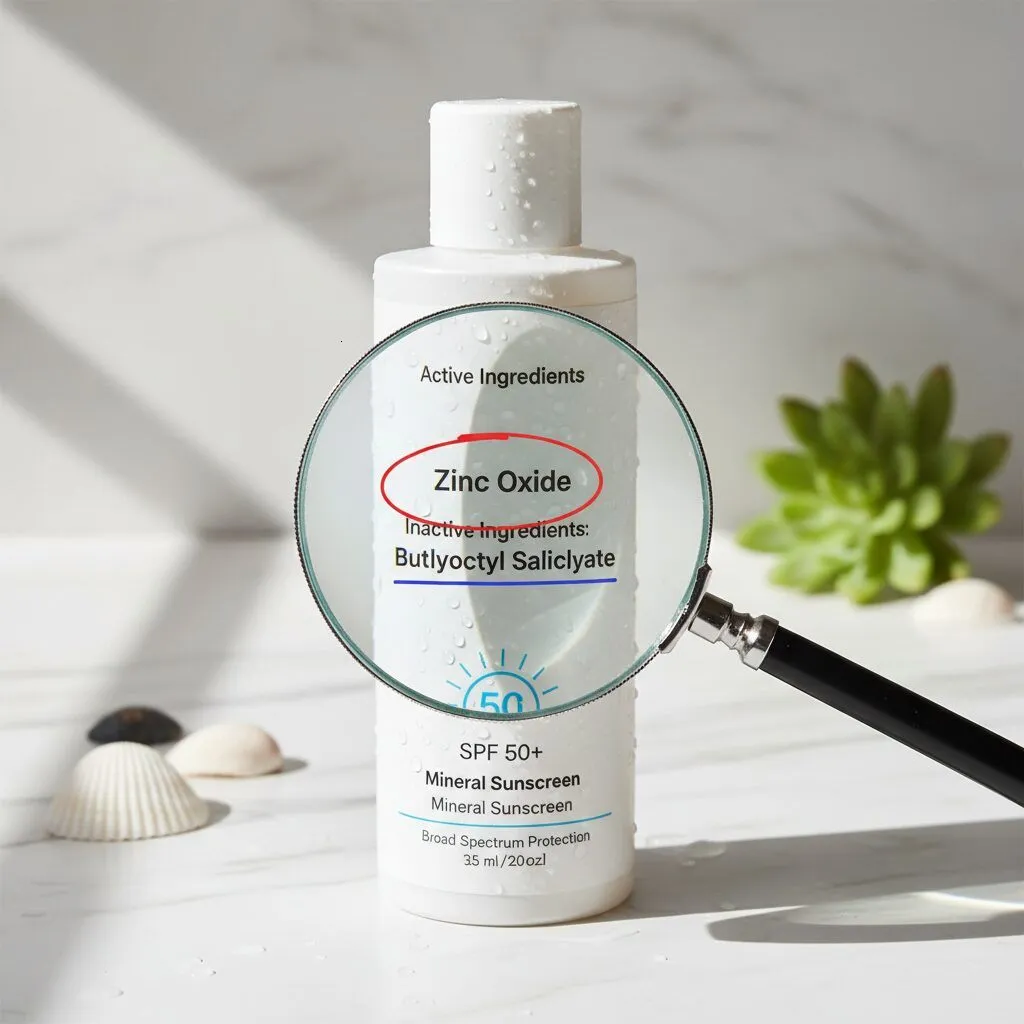
Reading a sunscreen label in 2025 requires a sharp eye. With the FDA aggressively updating its safety monographs, ingredients are generally split into two camps: those deemed “GRASE” (Generally Recognized As Safe and Effective) and those under scrutiny.
The FDA’s “GRASE” List: Only Two Make the Cut
As of the latest regulatory guidance, the FDA explicitly classifies only two sunscreen ingredients as GRASE Category I:
- Zinc Oxide: The gold standard. It provides the broadest protection against both UVA (aging) and UVB (burning) rays.
- Titanium Dioxide: Excellent for UVB protection but falls short on the long-wave UVA spectrum compared to Zinc.
According to Dermatology Times (July 2024), the Environmental Working Group (EWG) reported that only 1 in 4 (25%) of 1,700 analyzed SPF products met adequate sun protection and safety criteria, largely due to formulation issues outside these two minerals.
The “Chemical 12”: Under Regulatory Scrutiny
There are currently 12 chemical ingredients that the FDA has requested more safety data on. This doesn’t mean they are definitely unsafe, but it means we don’t have enough long-term data on systemic absorption.
The most common ones you’ll see are:
- Oxybenzone: Highly effective but linked to endocrine disruption and coral reef damage.
- Avobenzone: Unstable in light (it degrades quickly) unless stabilized by other chemicals.
- Octinoxate: Often found in makeup with SPF, but known to cause skin allergies.
The New Kid on the Block: Keep an eye out for Bemotrizinol (Tinosorb S). In late 2025, the FDA proposed adding this European filter to the GRASE list. If approved, it would be the first new US sunscreen ingredient in decades, bridging the gap between chemical elegance and mineral safety.
Detailed Comparison: Chemical vs. Mineral vs. Hybrid
To make your decision easier, I’ve compiled this comparison based on the current market landscape and the March 2025 TechSci Research report on consumer trends.
| Feature | Chemical Sunscreen | Mineral Sunscreen | Hybrid Sunscreen |
|---|---|---|---|
| Active Ingredients | Avobenzone, Oxybenzone, Octisalate, etc. | Zinc Oxide, Titanium Dioxide | Zinc Oxide + Chemical Boosters (often Butyloctyl Salicylate) |
| Activation Time | Requires 15-20 mins to absorb | Immediate protection | Immediate to 15 mins |
| Texture | Thin, spreadable, no white cast | Thicker, potential white cast (unless micronized) | Balanced texture, minimal cast |
| Irritation Risk | High (Heat generation + chemical sensitivity) | Low (Inert ingredients) | Medium |
| Water Resistance | High (Sweat-proof) | Moderate (Rubs off easily) | High |
Specific Skin Concerns: Which One Should You Choose?
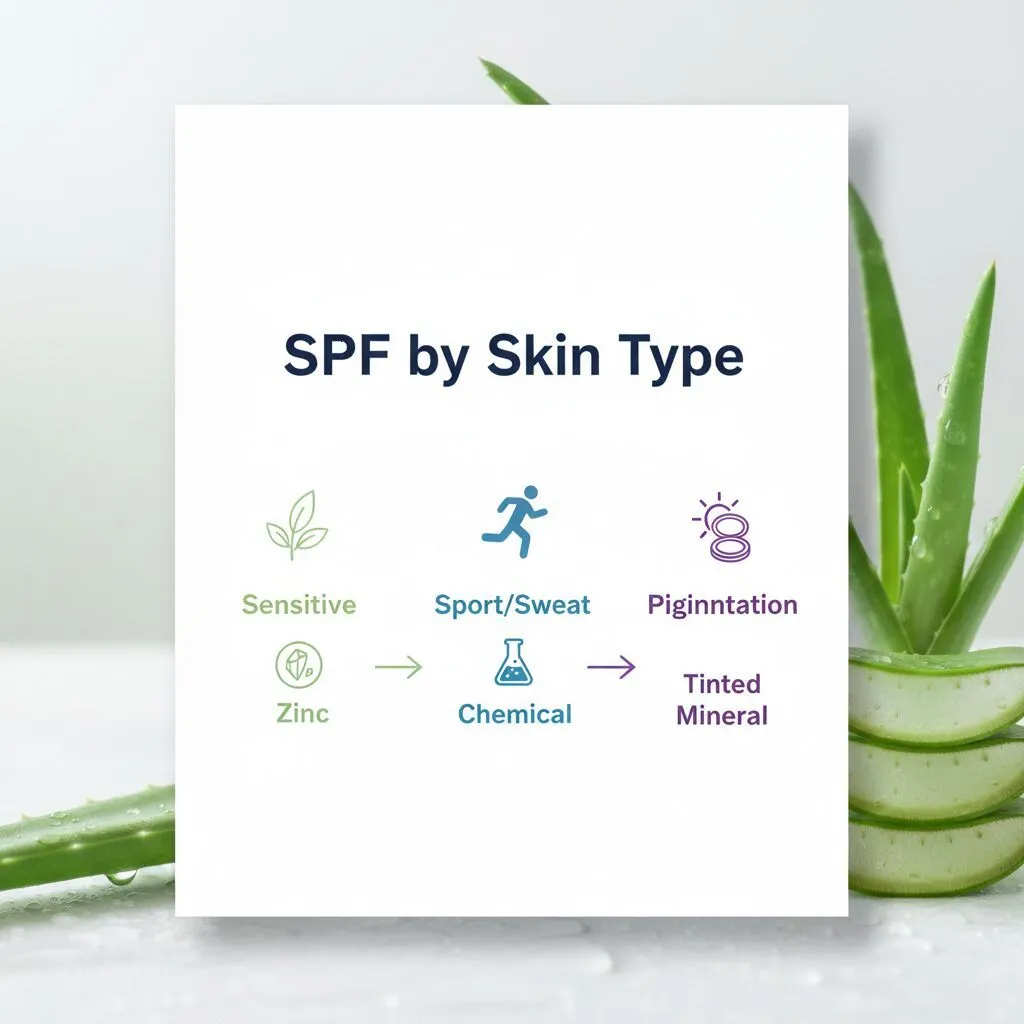
The “best” sunscreen isn’t just about ingredients; it’s about your specific skin biology. Dr. Heather Rogers, a Board-Certified Dermatologist, states in her 2025 Guide: “The best sunscreen is the one you will actually use… I recommend mineral formulas for pregnancy and sensitive skin.”
Let’s break down the ideal match for your skin condition:
1. Melasma and Hyperpigmentation: The Iron Oxide Advantage
If you suffer from Melasma, standard white mineral sunscreen isn’t enough. You need protection against Visible Light (HEV), which exacerbates pigmentation just as much as UV rays.
The Solution: You must use a Tinted Mineral Sunscreen. The tint comes from Iron Oxides. Studies show that Iron Oxides block visible light, whereas clear chemical and white mineral sunscreens do not. In my opinion, this is the single most overlooked factor in treating melasma.
2. Sensitive Skin & Rosacea: Why Zinc is the Gold Standard
Chemical filters work by turning UV rays into heat. For someone with Rosacea, heat is a massive trigger. The last thing you want is a face that feels like it’s burning because of the sunscreen.
According to Dr. Ellen Marmur in Cosmopolitan (April 2025), “The lack of chemical filters [in mineral SPF] will help prevent irritation for sensitive skin.” Zinc oxide is naturally anti-inflammatory, making it a dual-purpose product: protection and treatment.
3. Acne-Prone Skin: Avoiding the “Thick” Mineral Trap
This is where it gets tricky. Mineral sunscreens can be thick and occlusive, potentially trapping sweat and bacteria. However, chemical screens can irritate active breakouts.
My recommendation: Look for “Non-Nano” Zinc Oxide in a serum formulation or a “micronized” zinc formula. These are ground into finer particles that don’t clog pores (non-comedogenic) but still sit on the surface.
The 2025 Environmental & Health Controversies
We cannot discuss sunscreen in 2025 without addressing the environmental impact and systemic health concerns. This landscape is changing rapidly.
Beyond Oxybenzone: The New “Reef-Safe” Criteria
Hawaii and Key West started the ban on Oxybenzone and Octinoxate years ago, but the definition of “Reef-Safe” has become stricter. New research suggests that even some preservatives and nano-particle minerals can harm marine life.
While “Reef-Safe” is not a regulated term by the FDA, true eco-friendly sunscreens in 2025 generally use Non-Nano Zinc Oxide. Nano particles (smaller than 100 nanometers) can be ingested by coral, causing bleaching.
Systemic Absorption: What 2024 Blood Studies Reveal
Perhaps the most concerning data comes from FDA studies showing that chemical filters soak into the bloodstream at levels higher than the FDA’s safety threshold. While no direct link to cancer has been found, the presence of these chemicals in blood, urine, and breast milk is a valid concern for many.
It is worth noting that the American Academy of Dermatology (April 2025) continues to state that the risk of skin cancer far outweighs the potential risk of chemical absorption. However, for pregnant women or nursing mothers, the precautionary principle suggests sticking to mineral options.
Frequently Asked Questions
Is chemical sunscreen safe during pregnancy in 2025?
Most dermatologists and OB-GYNs recommend switching to mineral sunscreens (Zinc Oxide or Titanium Dioxide) during pregnancy. This is because chemical filters like Oxybenzone can act as endocrine disruptors, potentially affecting hormone levels.
Can you mix mineral and chemical sunscreens?
Generally, yes, you can layer them, but be careful. Some older studies suggested that Avobenzone (chemical) can degrade when mixed with raw uncoated Zinc Oxide (mineral). However, most modern “hybrid” formulations are stabilized to prevent this. If layering yourself, let the first layer dry completely before applying the second.
Does mineral sunscreen really leave a white cast on dark skin?
Traditional zinc formulas often leave a purple or white cast on melanin-rich skin. However, 2025 has seen a surge in “micronized” zinc and tinted mineral options specifically engineered to blend seamlessly into darker skin tones without the ghostly residue.
Do I need to wait 20 minutes for mineral SPF to work?
No. This is a major advantage of mineral sunscreen. Because it creates a physical barrier on the skin’s surface, it is effective immediately upon application. Chemical sunscreens typically require 15-20 minutes to absorb and become active.
Conclusion: The Best Sunscreen is the One You Wear
The debate between chemical and mineral sunscreen is no longer just about “natural” versus “synthetic.” It is about precision skincare.
In my analysis of the 2025 landscape, the verdict is clear:
- Choose Mineral if you have sensitive skin, melasma, are pregnant, or are concerned about systemic absorption and reef safety.
- Choose Chemical (or new Hybrids) if you need extreme water resistance for sports, hate thick textures, and have resilient skin.
But remember this crucial statistic from the AAD’s May 2024 survey: 28% of Gen Z still prioritize tanning over prevention. Don’t be part of that statistic.
Whether you choose the high-tech absorption of a chemical filter or the robust barrier of a mineral one, the “perfect” sunscreen is the one you apply generously every morning and reapply every two hours. Your skin is your body’s largest organ—protect it wisely.