 Johnson
Is It Safe to Use Body Lotion on Your Face? A Scientific Deep Dive (2025 Guide)
You’ve been there. It’s 11 PM, you’ve just washed your face, and you reach for your favorite moisturizer only to find the jar is empty. Sitting right next to it is that giant pump bottle of body lotion. It looks creamy, it smells nice, and moisture is just moisture, right? You might be tempted to slather it on and call it a night.
But before you make that pump, you need to understand the biological battlefield you’re about to step onto. While they both hydrate, facial skin and body skin are worlds apart anatomically.
In my years analyzing skincare trends, I’ve seen this simple mistake lead to weeks of dermatological repair work. According to Google and Meta research via Jarsking (Feb 2024), search interest for body skincare has surged by 1,025%, meaning more people than ever are blurring the lines between face and body products. Yet, the question remains: is it actually safe?
This comprehensive guide breaks down the science, the risks, and the rare exceptions where using body lotion on your face might actually be okay.
The Anatomy of a Mismatch: Face vs. Body Skin
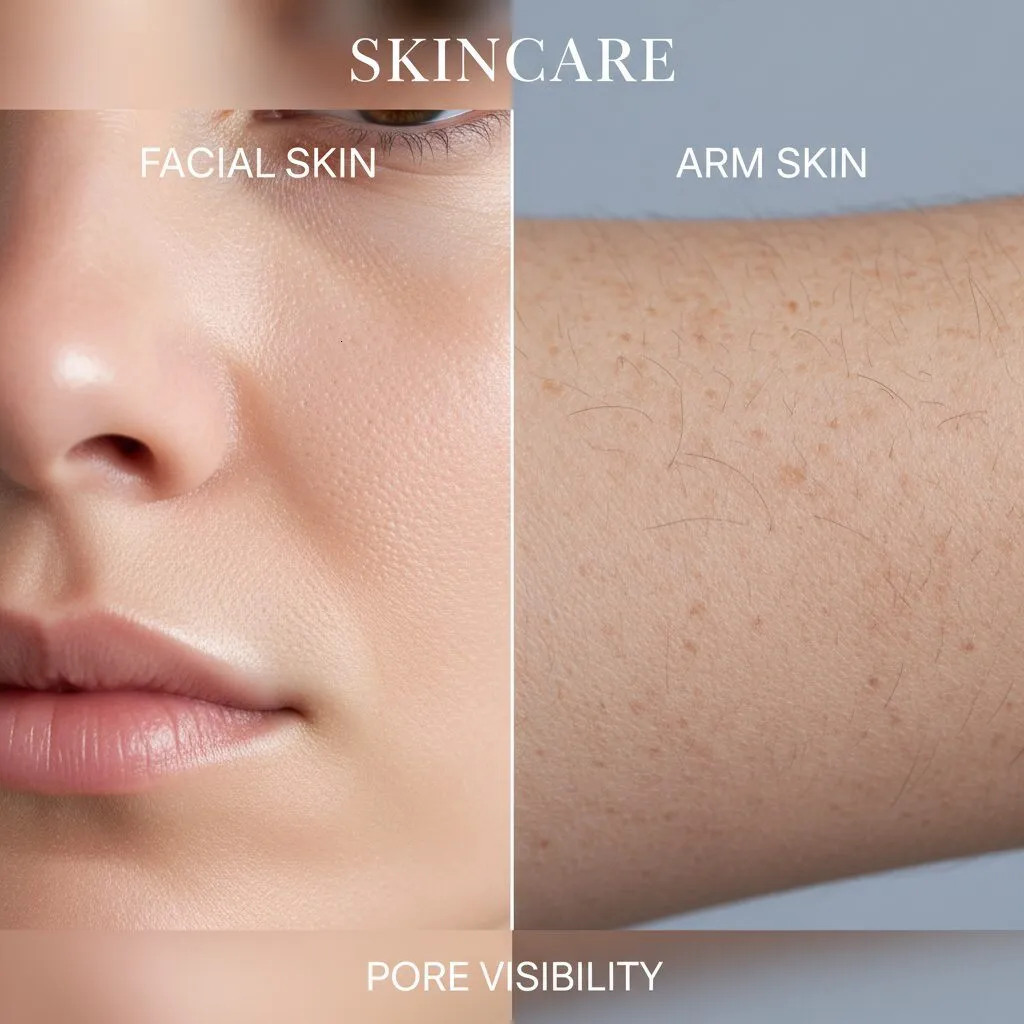
To understand why a product formulated for your legs might wreck your face, we have to look at the cellular structure. Your skin isn’t a uniform canvas; it’s a complex organ with varying needs depending on the location.
1. Thickness and Fragility
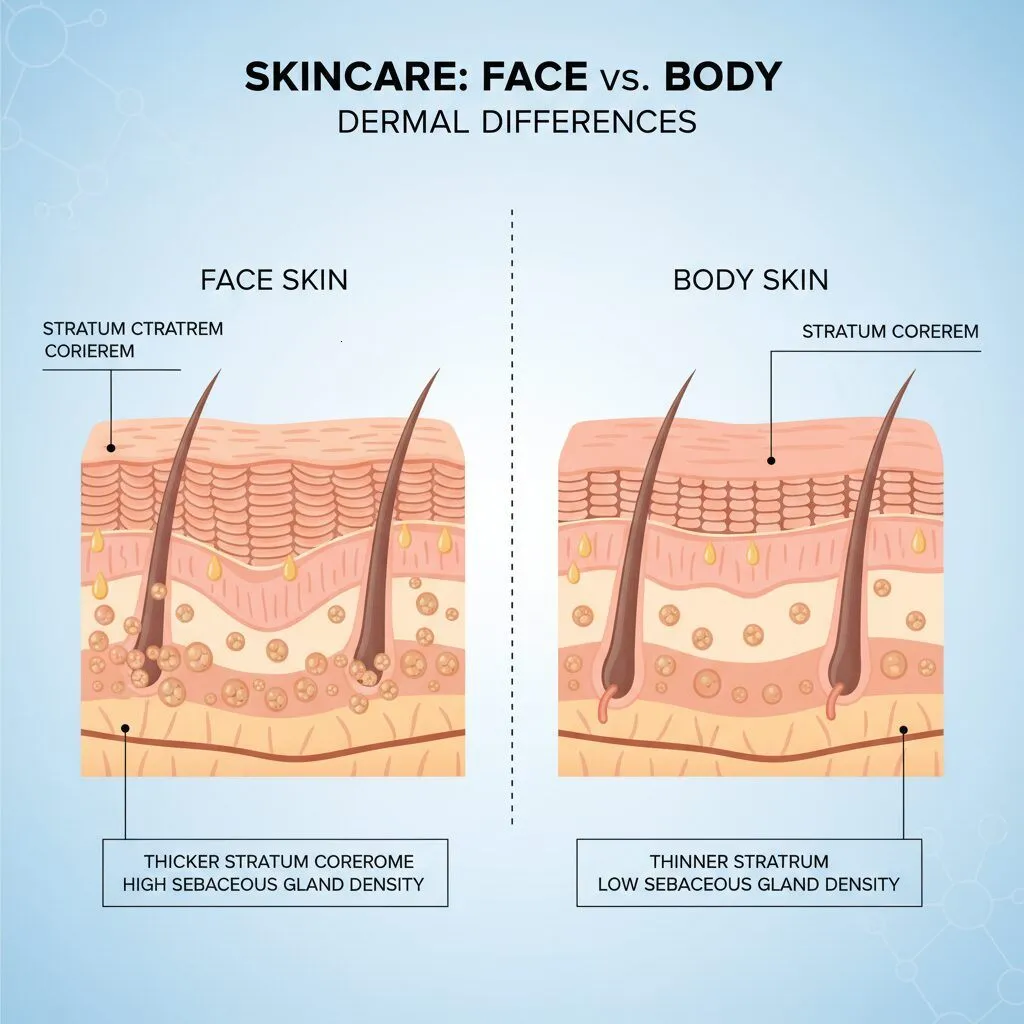
The skin on your face is significantly thinner than the skin on your body. The epidermis (the outer layer) on your face is roughly 0.12mm thick, while the skin on your body can be up to 0.60mm thick. The skin around your eyes is even more delicate.
Because body skin is thicker and tougher, body lotions are often formulated with heavier penetrating agents to force moisture through that dense barrier. When you apply those same heavy agents to delicate facial skin, it can overwhelm the tissue.
2. Oil Glands and Sebum Density
This is the deal-breaker for most people. Your face, specifically the “T-zone” (forehead, nose, chin), has the highest concentration of sebaceous (oil) glands in the entire body. According to Herbaria Modern Botanicals anatomy studies, facial skin is biologically designed to lubricate itself more aggressively than the skin on your arms or legs.
Body skin, conversely, has fewer oil glands and tends to be drier. Body lotions compensate for this by adding rich oils and butters. Putting that extra oil on an area that already produces plenty of its own is a recipe for disaster—specifically, a condition known as acne cosmetica.
3. Cell Turnover Rates
Body skin has a slower cell turnover rate than facial skin. This means body products often contain stronger exfoliating acids or higher concentrations of urea to smooth rough patches (like on elbows or knees). On the face, these concentrations can cause chemical burns or severe sensitivity.
5 Major Risks of Using Body Lotion on Your Face
So, what actually happens when you cross the line? It’s not always immediate, but the cumulative effects can be damaging. Recent data sheds light on just how common these reactions are.
According to a systematic review published by the NIH/PMC on April 5, 2025, acne (36%) and redness (27%) are the most common adverse effects of personal care products. Here is what you are risking:
1. Clogged Pores (The Comedogenic Factor)
The term “comedogenic” refers to an ingredient’s tendency to clog pores. Many body lotions rely on ingredients like Cocoa Butter, Coconut Oil, or Mineral Oil to lock in moisture. While great for dry legs, these are heavy hitters for facial pores.
According to Banish Skincare Science (Aug 2025), Cocoa Butter and Coconut Oil carry a comedogenic rating of 4 (on a scale of 0-5), meaning they have a very high probability of clogging facial pores and causing breakouts.
2. Irritation from Fragrance
Smelling like vanilla or lavender is lovely for your body, but synthetic fragrances are the number one cause of allergic contact dermatitis on the face. Facial skin is far more reactive to allergens.
An NIH Study (2024) reported that over 80% of patients experiencing adverse reactions to skincare products on the face reported itching (pruritus). If your body lotion lists “Parfum” or “Fragrance” high on the ingredient list, keep it away from your face.
3. Over-Hydration and Milia
There is such a thing as too much moisture. Heavy body creams can trap dead skin cells under the surface, leading to Milia—those tiny, hard white bumps that are notoriously difficult to remove. Unlike a pimple, you cannot “pop” Milia; they require professional extraction.

Ingredients to Avoid (The “Red List”)
Not all ingredients are created equal. I’ve compiled a “Red List” of ingredients commonly found in body lotions that you should actively avoid putting on your face.
| Ingredient | Function in Body Lotion | Risk to Facial Skin | Comedogenic Rating (0-5) |
|---|---|---|---|
| Cocoa Butter | Deep moisturization | High risk of cystic acne | 4 (High) |
| Isopropyl Myristate | Makes lotion feel less greasy | Severe pore clogging | 5 (Severe) |
| Lanolin | Protects cracked skin | Allergic reactions & clogging | 3 (Moderate) |
| Coconut Oil | Hydration & scent | Traps bacteria in pores | 4 (High) |
| Sodium Lauryl Sulfate | Emulsifier | Strips barrier, causes redness | 5 (Severe) |
| Synthetic Fragrance | Scent | Contact dermatitis/Eczema flare | N/A (Irritant) |
Are There Any Exceptions? When Body Lotion is “Face-Safe”
In the evolving world of skincare, the lines are blurring. Some modern formulations are designed to be “multipurpose.” If you are in a pinch or looking to save money, here is how to spot a safe option.
The “Face and Body” Label
Brands like CeraVe, Cetaphil, and La Roche-Posay formulate specific lotions with ceramides and hyaluronic acid that are non-comedogenic and fragrance-free. If the bottle explicitly says “For Face and Body,” it has likely passed testing for facial tolerance.
The Emergency Rule
If you have absolutely no face moisturizer and your skin feels tight and dry, you can use body lotion once, provided it meets these three criteria:
- It is Fragrance-Free: No scent means lower irritation risk.
- It is Oil-Free or Lightweight: Avoid thick butters.
- It does not contain Exfoliants: Check for Lactic Acid, Glycolic Acid, or Urea (unless prescribed).
Expert Tips: How to Fix a “Lotion Mistake”
So, you used the wrong lotion and now your face is breaking out, stinging, or feels greasy. Don’t panic. Here is an emergency action plan based on dermatological protocols.
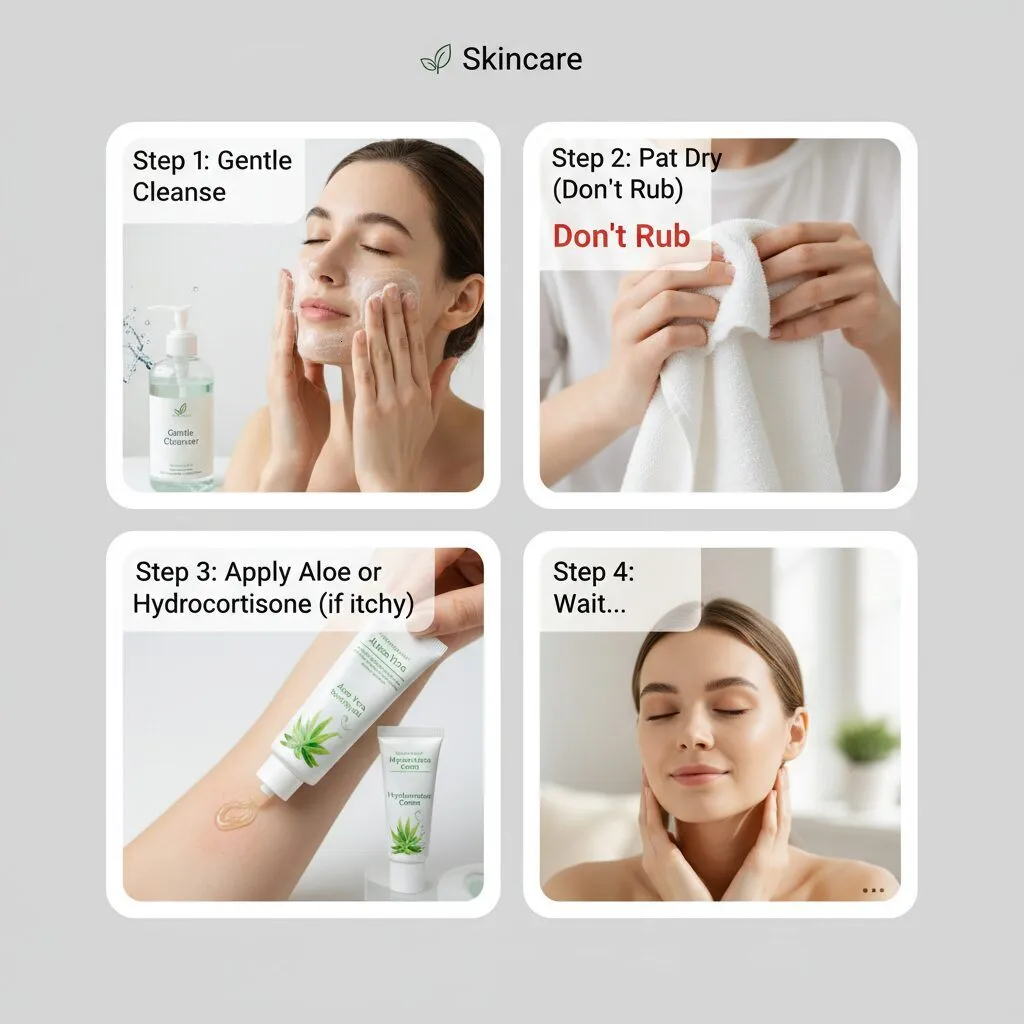
Step 1: The Reset Wash
Cleanse your face immediately with a gentle, foaming cleanser to remove the occlusive layer. Do not scrub; the skin is likely already inflamed.
Step 2: Simplify Your Routine
Stop all actives (Retinols, Vitamin C) for 3 days. Let your skin barrier repair itself. According to Dr. Andrea Zaenglein (MDedge/AAD 2024 Meeting), protecting the barrier is crucial before reintroducing treatments.
Step 3: Spot Treat
If you see whiteheads forming, use a targeted spot treatment with Salicylic Acid or Benzoyl Peroxide, but apply it only to the spot, not the whole face.
FAQ: Your Burning Questions Answered
It depends on the formula. Pure petroleum jelly (Vaseline original) is non-comedogenic and safe for “slugging” on very dry skin. However, Vaseline Intensive Care lotions often contain fragrance and thickeners that may cause breakouts on acne-prone skin.
Directly? No. However, body lotions often lack the anti-aging ingredients (peptides, retinoids, antioxidants) found in face creams. Also, if a heavy lotion causes inflammation or puffiness, it can temporarily worsen the appearance of skin texture.
This is a sign of barrier disruption or an allergic reaction, likely to preservatives or fragrances found in body products. Wash it off immediately with cool water.
Yes, CeraVe Moisturizing Cream (in the tub) is a cult favorite because it is fragrance-free, contains ceramides, and is labeled non-comedogenic. It is one of the few exceptions widely recommended by dermatologists for both face and body.
Generally, yes, as baby lotions are mild. However, they are often very occlusive (greasy) and may not provide the anti-aging or color-correcting benefits adults usually look for in facial skincare.
Conclusion: Is It Worth the Risk?
Can you use body lotion on your face? Technically, yes—it won’t poison you. Is it safe to make it a habit? generally, no.
The skin on your face is a specialized environment. It is thinner, oilier, and more prone to damage than the skin on your legs. While it might be tempting to save money by using one bottle for everything, the potential cost of treating acne, milia, or dermatitis usually outweighs the savings.
Key Takeaways:
- Avoid ingredients like Cocoa Butter, Coconut Oil, and synthetic fragrances on the face.
- Look for “Non-Comedogenic” and “Face and Body” labels if you want a multi-use product.
- Prioritize your skin barrier. As Fortune Business Insights notes, the moisturizer market is growing for a reason—specialized care works.
Treat your face with the specific care it deserves. Your skin is an investment, not a place to cut corners.