 Johnson
Ways to Tighten Neck Skin Without Surgery
I remember the exact moment I noticed my neck looked older than my face. I was scrolling through photos on my phone and zoomed in on a candid shot. My face looked fine, but my neck told a different story. I saw loose skin and horizontal lines that I swear weren’t there a year ago.
I felt a sinking feeling in my stomach. I wasn’t ready for a surgical neck lift. The idea of anesthesia and weeks of recovery scared me. I wanted a solution, but I needed it to be non-invasive.
If you feel the same way, you are not alone. I spent weeks researching dermatological studies and talking to experts to find out what actually works. I found that while surgery is still the most drastic fix, technology has come a long way.
In this article, I will share the most effective ways to tighten neck skin without surgery. I will break down the costs, the pain levels, and the honest results you can expect.
Causes of Sagging Neck Skin
Before we look at the solutions, I think it helps to understand why this happens. It isn’t just about getting older. I learned that several factors work together to loosen that skin.
Biological Aging and Collagen Loss
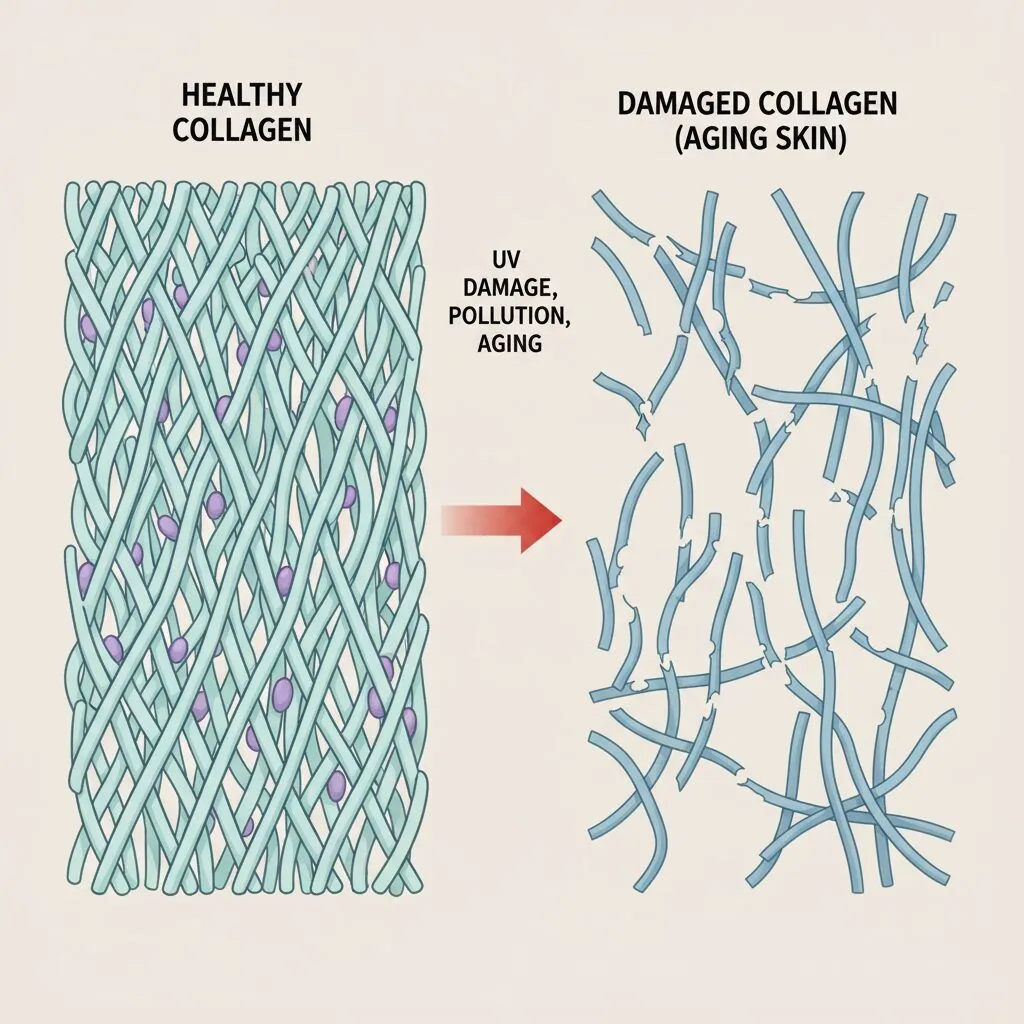
Our skin relies on a protein called collagen to stay firm. Think of collagen like the frame of a house. When the frame is strong, everything stays up. But as we age, that frame weakens.
According to Scientific American, after age 20, we produce about 1% less collagen in our skin each year. I did the math on my own age, and it was a wake-up call. We also lose elastin. This is the protein that lets your skin snap back after you pull it. Without it, gravity takes over.
The “Tech Neck” Phenomenon
This was the most surprising thing I learned. I look down at my phone constantly. I bet you do too. We call this “tech neck,” and it destroys our neck contour.
Here is a crazy stat I found in Surgical Technology International. Your head weighs about 10 to 12 pounds. But when you tilt it forward 60 degrees to look at a screen, the force on your neck equals 60 pounds. That is like carrying an 8-year-old child around your neck all day.
I realized my posture was physically folding my skin and weakening the muscles. This constant pressure creates deep horizontal lines and loose skin much faster than aging alone.
Sun Damage (Photoaging)
I admit it. For years, I applied expensive sunscreen to my face and stopped at my jawline. That was a huge mistake. The National Institutes of Health (NIH) states that UV exposure causes up to 80% of visible skin aging. The skin on the neck is thin and delicate. When UV rays hit it, they break down the collagen we have left.
In-Office Non-Surgical Procedures
If you have moderate sagging, creams won’t fix it. I learned this the hard way after spending too much money on “miracle” lotions. For real changes, you need clinical treatments. Here are the ones that dermatologists recommend most.
Ultrasound Therapy (Ultherapy)
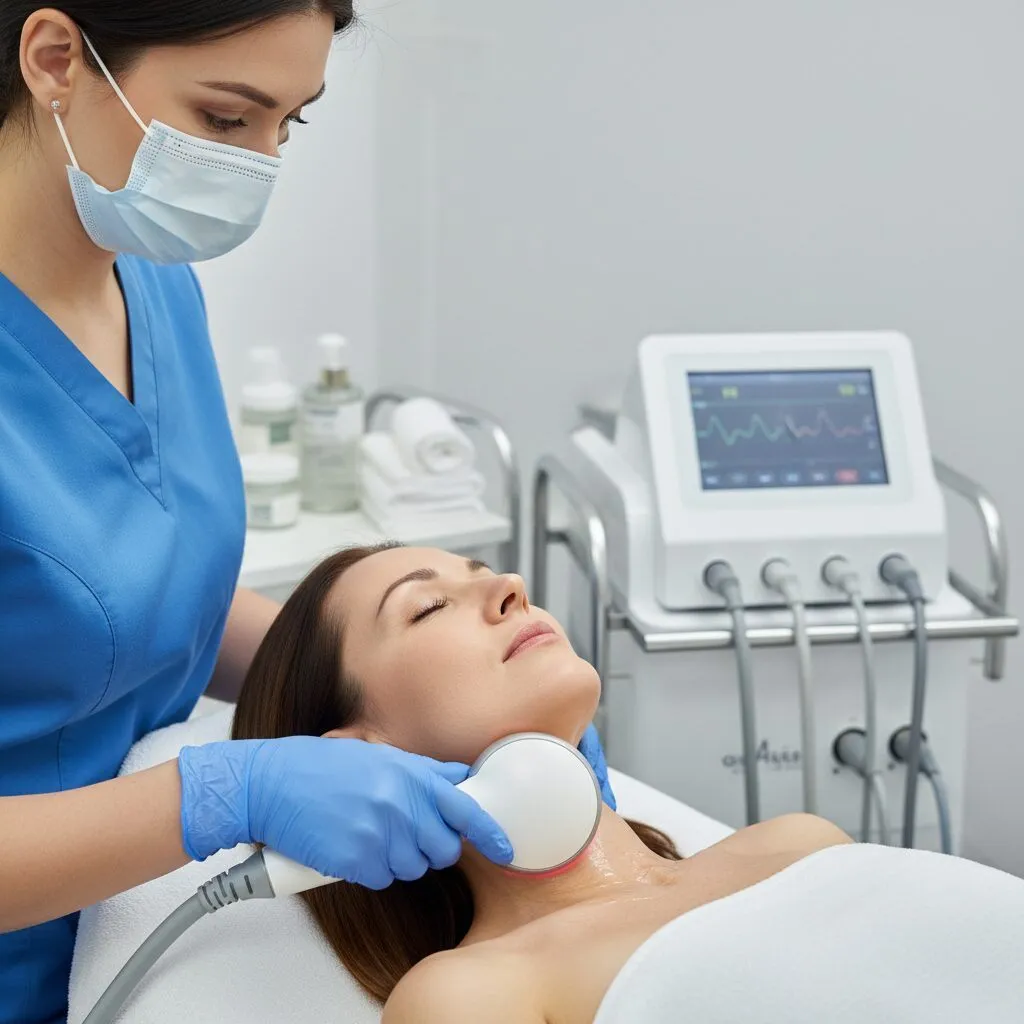
Ultherapy is often the first name you hear. I looked into this one heavily. It uses focused ultrasound energy. It bypasses the surface of your skin and heats the deep tissue layers.
It targets the same layer plastic surgeons lift during a facelift. The heat injures the tissue slightly, which forces your body to heal it by making new collagen. A study in the Journal of Drugs in Dermatology showed that 95% of patients saw improvement one year after treatment. That is a high success rate.
My take: It works, but be prepared. Many people told me it can be painful during the procedure.
Radiofrequency (RF) Treatments
I found two main types of Radiofrequency treatments. They use electrical energy to heat the skin.
- Thermage: This treats the surface. It smooths and tightens the top layers. It’s like shrink-wrapping the skin.
- Morpheus8 (RF Microneedling): This sounded intense to me, but the results are impressive. It combines needles with heat. The needles go into the skin and release energy. This targets both the texture on top and the tightness underneath.
Injectable Treatments
Sometimes the issue isn’t just loose skin. It’s what is underneath it.
- Kybella: If you have a “double chin” weighing down your neck, this might help. It is an enzyme that dissolves fat cells. The Cleveland Clinic notes it is effective for submental fullness. Once the fat is gone, the jawline looks sharper.
- Botox: I was surprised by this one. Doctors can inject Botox into the vertical bands of the neck. These are the cords that stick out when you grimace. Relaxing them creates a smoother look.
Topical Ingredients for Skin Firmness
I want to be honest with you. No cream will lift a sagging turkey neck. But, the right ingredients can make the skin look thicker and smoother. I changed my skincare routine based on this research.
Retinoids and Retinol
This is the gold standard. Retinoids are Vitamin A derivatives. They speed up cell turnover. I started using an over-the-counter retinol on my neck every other night. It took about three months, but I saw a difference in the fine lines.
Warning: The neck is sensitive. I tried using my strong face prescription on my neck and got a rash. Start with a low concentration.
Vitamin C and Antioxidants
Since sun damage is a major cause of sagging, protection is key. Vitamin C helps build collagen and fights off free radicals from pollution. I now apply a Vitamin C serum to my neck every single morning.
Lifestyle Changes and At-Home Methods
You can pay for expensive treatments, but if you don’t change your habits, the sagging will come back. Here are three things I changed in my daily life.
Strict Sun Protection
I stopped treating my neck like an afterthought. Now, I apply a broad-spectrum SPF 30+ to my neck and chest every day. Even in winter. According to the American Academy of Dermatology, this is the single most effective way to prevent further aging.
Neck Exercises
I was skeptical about “face yoga,” but it makes sense to strengthen the muscle under the skin. I do a simple move when I’m working.
Try this: Tilt your head back and look at the ceiling. Push your lower jaw forward until you feel a stretch in the front of your neck. Hold it for 10 seconds. I do this 10 times a day. It won’t work miracles, but my neck feels firmer.
Nutritional Support
I learned that you can’t build collagen if you don’t eat the right blocks. Collagen needs amino acids like glycine and proline. I started adding bone broth to my diet. I also make sure to eat plenty of citrus fruits for the Vitamin C.

Comparison of Non-Surgical Treatment Costs
Budget is a huge factor. I compiled this table to compare the real costs. Keep in mind, these are averages. Prices change depending on where you live.
| Treatment Method | Average Cost | Pain Level (1-10) | Downtime | How Long it Lasts |
|---|---|---|---|---|
| Ultherapy | $2,500 – $4,500 | 6 – 8 (High) | 0 – 2 Days | 1 – 2 Years |
| RF Microneedling | $800 – $1,200/session | 4 – 6 (Medium) | 2 – 4 Days | 1 Year |
| Laser Resurfacing | $1,500 – $3,000 | 5 – 7 (Medium) | 5 – 10 Days | 2 – 5 Years |
| Kybella | $600 – $1,200/vial | 3 – 5 (Low) | 3 – 7 Days | Permanent |
Expected Results and Timeline
I need to manage your expectations here. I thought I would walk out of the clinic looking 20 years younger. That is not how non-surgical options work.
Most of these treatments rely on your body’s natural healing. That takes time.
- Immediate: You might see a little tightening right away, but that is often just swelling.
- 1 to 3 Months: This is when the magic happens. Your body produces new collagen. The skin starts to feel thicker and tighter.
- 6 Months: This is usually when you see the final result.
It requires patience. I found that waiting was the hardest part.
Limitations of Non-Surgical Methods
I want to save you money if these treatments aren’t right for you. There is a limit to what technology can do.
If you have significant loose skin-what people often call a “turkey gobbler”-lasers and ultrasound probably won’t be enough. If you have lost a large amount of weight recently, you might have too much excess skin for these devices to tighten.
In those cases, a surgical neck lift is still the only way to remove that extra skin. I recommend booking a consultation with a board-certified provider. Ask them to be honest about what non-surgical tools can achieve for your specific neck.
Final Thoughts
Tightening neck skin without surgery is possible, but it requires a mix of patience, budget, and the right expectations. For me, improving my posture and adding a retinol cream made a visible difference. I am still considering Ultherapy for the future.
Start with sun protection today. It is the cheapest and most effective tool you have. If you are ready for more, look into RF microneedling or ultrasound. You don’t have to live with a neck that makes you feel self-conscious.
Frequently Asked Questions
Can you really tighten neck skin without surgery?
Yes, you can. For mild to moderate sagging, devices that use ultrasound or radiofrequency heat the deep layers of skin. This triggers collagen production and tightens the area over time.
What is the best non-surgical neck lift?
Most experts consider Ultherapy the gold standard. It is the only FDA-cleared non-invasive procedure to lift skin on the neck, chin, and brow.
How can I tighten my neck skin at home?
At home, your best options are retinoid creams to thicken the skin and daily sunscreen to prevent damage. Neck exercises can also help improve muscle tone, though they won’t remove loose skin.
How much does a non-surgical neck lift cost?
It varies, but you should expect to pay between $1,500 and $4,500 for a full treatment, depending on the technology used and your location.